Routines for an Only Child: How to Build Independence Without Doing Everything Together
An only child has no sibling rhythm to copy, so structure has to be built on purpose. Here is how to design routines that hand ownership to the child instead of to you.
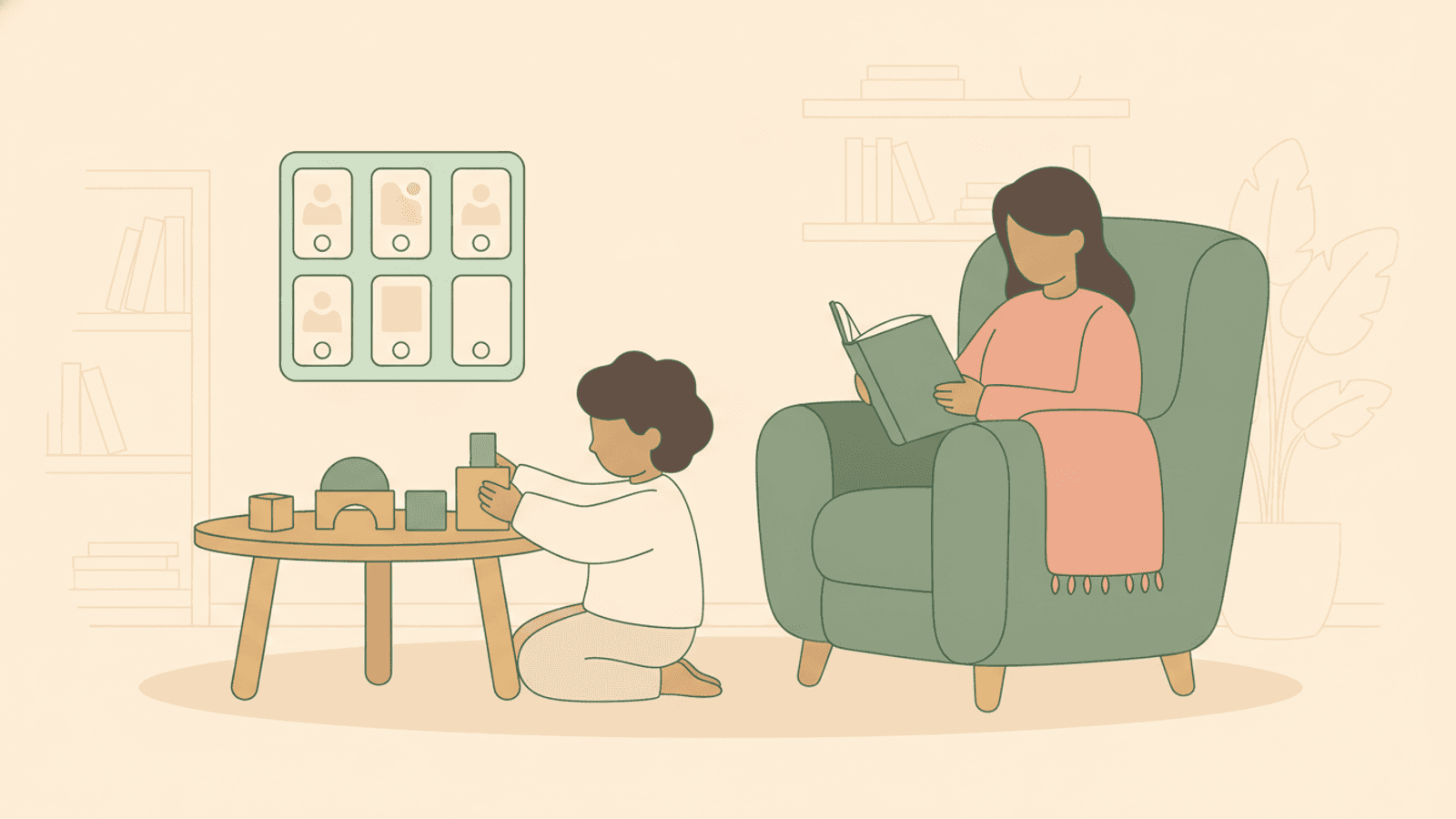
Routines for an only child work best when they are built to be handed over. An only child usually gets more adult attention and far less peer friction than a child with siblings, so the real risk at home is not sibling chaos, it is over-help: the parent slowly becomes the child's playmate, timekeeper and motivation engine, and the child never builds structure of their own. The goal is to make the routine itself, rather than the parent's voice, the thing the child follows.
What is an only child routine?
An only child routine is a fixed, visible sequence for a part of the day, typically morning, after school and evening, that the child can follow without an adult narrating each step. It is written down or shown in pictures, it stays the same from day to day, and it belongs to the child rather than to the parent.
That last part is what makes it different from a general family routine. In a house with several children, the sequence is partly carried by the group: someone else is putting on shoes, someone else is at the table. An only child has no one to copy, so the structure has to come from somewhere else, and if it does not come from a visible routine, it comes from you.
What is genuinely different about an only child's day
Three things change the design of the routine, and they are worth naming honestly rather than treating as problems.
- No sibling rhythm to copy. Nobody else is getting dressed at the same time, so the child has no ambient cue that the day has started.
- An adult pace. Only children spend most of their hours with people who are quicker, more articulate and more accommodating than a peer would be. Adults finish sentences, fetch the forgotten sock, and adjust.
- More one-on-one negotiation. With one child, every transition is a private conversation. There is time to argue, and no queue behind them, so small friction expands to fill the morning.
None of this makes an only child less capable. It just means the everyday practice that siblings provide by accident has to be built in on purpose.
The over-help trap
Over-help rarely looks like over-help. It looks like a parent who is present, engaged and fast. You hand over the toothbrush before it is asked for. You say "shoes" four times because it is quicker than waiting. You sit down to play because nobody else will.
The cost shows up later, usually as a child who genuinely cannot start anything alone. A useful test: for each step in a routine, ask who is doing the remembering. If the answer is always you, the child is doing the task but not owning it, and those are different skills.
Boredom is the raw material for independence
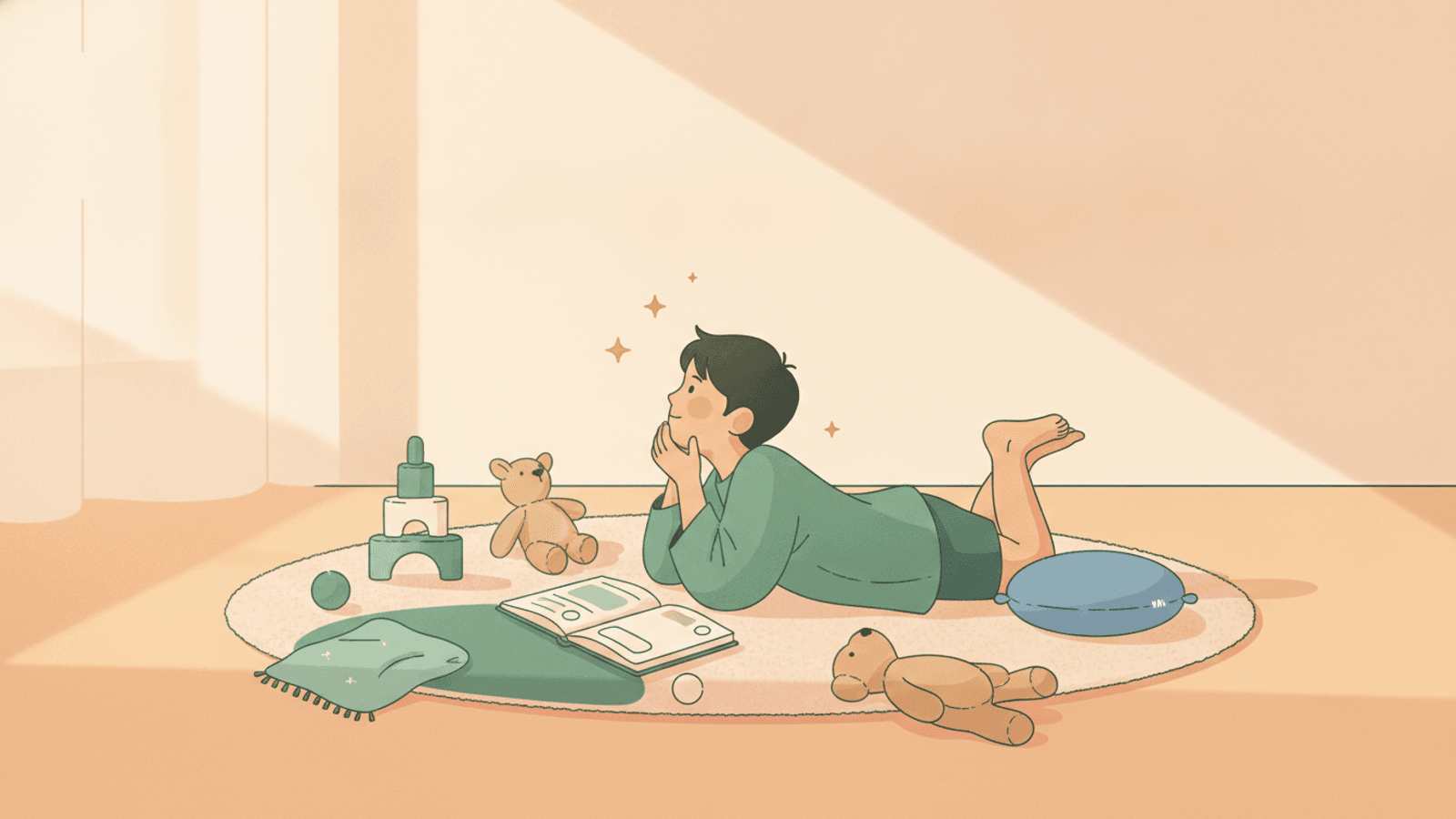
An only child needs unfilled time more than most, because that is where self-direction is invented. A child who has never been mildly bored has never had to decide what happens next.
Boredom only works if you hold the line kindly for the first few minutes. "I'm not going to think of something for you, but I'll be in the kitchen" is enough. The complaint usually peaks around minute three and then something starts. If you fill the gap, you never find out what would have grown in it.
For children with ADHD or autism, unstructured time can be genuinely uncomfortable rather than merely dull. It helps to shrink the gap instead of removing it: ten minutes, in one defined place, with two or three known options available. Independence built in short reliable stretches beats an hour of anxious drifting.
How to hand over ownership, one step at a time
Do not hand over a whole routine. Hand over one step, completely, and leave the rest alone.
- Pick the easiest step the child already does with one reminder, not the hardest one you wish they would do.
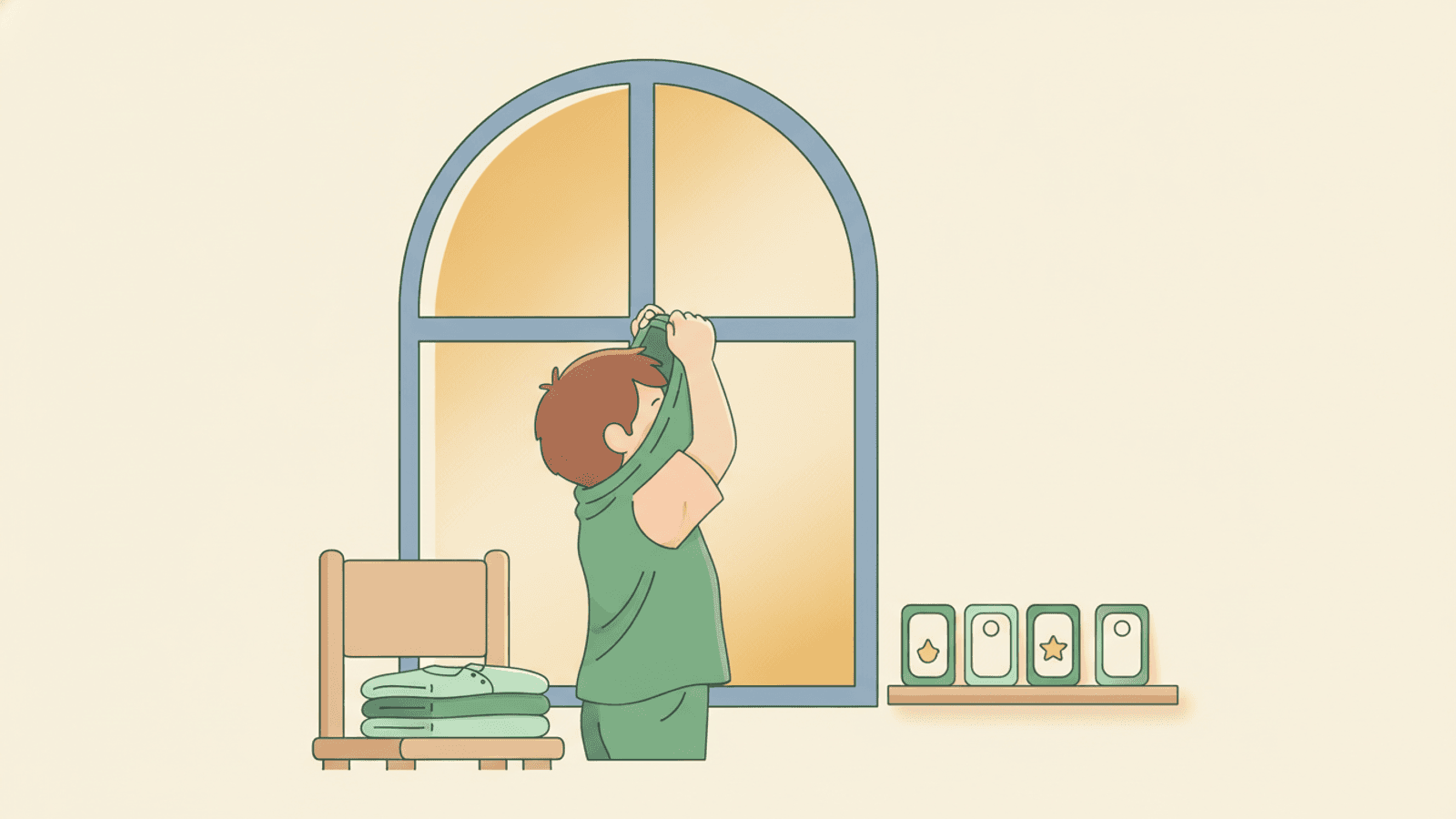
- Make it visible. A photo or picture of that step, in order, so the reminder comes from the wall or the screen rather than from you.
- Go quiet on that step only. You still prompt everything else. Quiet is the actual intervention.
- Expect a worse week before a better one. Removing prompts always costs a few late mornings.
- Add the next step when the first one runs itself for about a week.
This is where a routine app earns its place, because it can carry the reminding that a sibling would otherwise carry. In Routined you can build the sequence with a picture per step, a timer where time-blindness is the issue, and your own recorded voice on a step, which plays automatically when the child opens it, so the instruction arrives without you standing in the doorway repeating it.
Let the picture be the sibling
A visual routine does for an only child roughly what an older brother does by existing: it shows what happens next, without judgement and without a tone of voice. Some children follow a plain checklist happily; others need large images. Match the format to the child rather than to what looks tidy on your fridge.
Protecting solo play without it feeling like punishment
Solo play collapses when it is used as a consequence. "Go and play by yourself" after a difficult moment teaches the child that alone means banished.
Put it in the schedule instead, at a neutral time, with the same status as any other block. Some things that help:
- Same slot most days, so it is expected rather than announced.
- A defined end, ideally a timer, so the child is not left wondering how long the alone stretch will last.
- Parallel presence at first: you are in the room doing your own thing, not participating in theirs.
- A warm reunion at the end. Solo play should be followed by attention, not competition for it.
Playdates and social stamina belong in the routine
Only children often have excellent one-on-one social skills with adults and much thinner stamina for the messy parts of peer play: losing, waiting, sharing a toy that is genuinely theirs. That stamina is built by frequency, not by duration.
Two short playdates a week beat one long Saturday. Ninety minutes with a clear ending is usually better than an open-ended afternoon that ends in a meltdown, and a stated plan ("first the trampoline, then a snack, then home") lowers the load considerably for children who find transitions hard. Treat home turf carefully too: sharing your own room is the advanced level, so let a couple of favourite items be put away in advance rather than fought over.
Avoid doing everything together
Families with one child slide easily into a unit of three that does everything jointly. It is genuinely lovely, and it quietly removes every opportunity for the child to be the only one responsible for something.
Build small pockets of separateness on purpose: a task the child owns entirely, an errand you do without them, twenty minutes where each person is doing their own thing in the same house. The point is not less closeness. It is that closeness stops being the only mode available.
About the guilt
Many parents of only children carry a background worry that the child is missing something, and it drives a lot of over-compensating: more entertaining, more accompanying, more saying yes.
It is worth separating the feeling from the decision. Whether your family has one child is often not a choice you made freely, and the research picture on only children is far less alarming than the old stereotypes suggest. What actually predicts how things go is the quality of what happens day to day, not the number of people at the table.
An only child does not need a sibling substitute. They need practice at being the person responsible for the next step.
So the most useful thing you can do tonight is small: choose one step of the evening routine, make it visible, and stop reminding. Then let the silence do the work.
Read more
Frequently asked questions
Do only children need routines more than children with siblings?
They need a different kind of routine rather than more of it. Children with siblings pick up a lot of structure from the group around them, while an only child has no one to copy, so the sequence has to be visible somewhere outside the parent. A written or picture-based routine does that job.
How do I stop being my only child's constant playmate?
Schedule solo play at a neutral time rather than using it as a consequence, and start with short blocks with a clear ending. Stay in the room doing your own thing at first, then gradually step back. Expect protest for the first few minutes, that is usually where self-directed play begins.
Is it bad for an only child to be bored?
Mild boredom is how children practise deciding what happens next, so a certain amount of unfilled time is useful. For children with ADHD or autism, empty time can feel uncomfortable rather than just dull, so keep the gap short and offer a defined place and a couple of known options instead of removing it entirely.
How many playdates does an only child need?
Frequency matters more than length. Two shorter playdates a week generally build more social stamina than one long afternoon, and a stated plan with a clear ending reduces the chance of finishing on a meltdown. This is general guidance, adjust it to what your child can manage.
How do I hand over a morning routine without everything falling apart?
Hand over one step at a time, starting with something the child already manages with a single reminder. Make that step visible with a picture or list, then go deliberately quiet on that step only while still prompting the rest. Add the next step once the first one runs itself for about a week.