Preparing Your Child for the Doctor or Dentist: A Calm, Practical Guide
"It will be fine" is not preparation. Here is what to tell your child, how far ahead, and what to ask the clinic for before you arrive.
The most useful thing you can do before a doctor or dentist appointment is describe what will actually happen, in concrete sensory terms, before you get there. Children cope far better with something unpleasant they were told about than with something pleasant they were surprised by. Preparation beats reassurance, and "it will be fine" is not preparation.
Three things carry most of the work: honest, specific information given at the right distance from the appointment, a little practice at home, and something your child can control while they are in the chair. Everything else is detail.
How much notice to give
The right amount of warning depends on age and temperament, and both extremes cause problems. Too little, and your child feels ambushed and trusts you less next time. Too much, and they spend four days worrying.
- Two to four years: the same morning, or the day before for something bigger. Long lead times only extend the dread.
- Five to eight years: one to three days, so there is time for questions but not for a whole week of them.
- Nine and up: as soon as you book it. At this age being kept in the dark is worse than the appointment.
- Anxious or autistic children: earlier rather than later, with a visible countdown so the day stops being a vague threat and becomes a fixed point.
Never spring it on them in the car park. The short-term win costs you the next three appointments.
Tell the truth, in sensory detail
Describe what your child will see, hear and feel, in that order, and in the order it will happen. "You will sit in a chair that leans back. There is a bright light above you. The dentist will count your teeth with a small mirror. It tickles. Then we go home." That is more reassuring than any amount of "there is nothing to worry about", because it removes the unknown.
- Do not say "it will not hurt" unless you know it will not. Say "it might feel like a quick pinch, and then it is finished."
- Avoid words that plant ideas: "it will not be scary", "you do not need to be brave", "the needle is tiny". Children hear the noun, not the negation.
- Give a duration. "About as long as one episode" or "we count to twenty and it is done" is far better than "just a moment".
- Say what comes after. A known ending helps: "then we walk to the car and go home for lunch."
Practise at home
Fifteen minutes of play does more than an hour of talking, especially under seven.
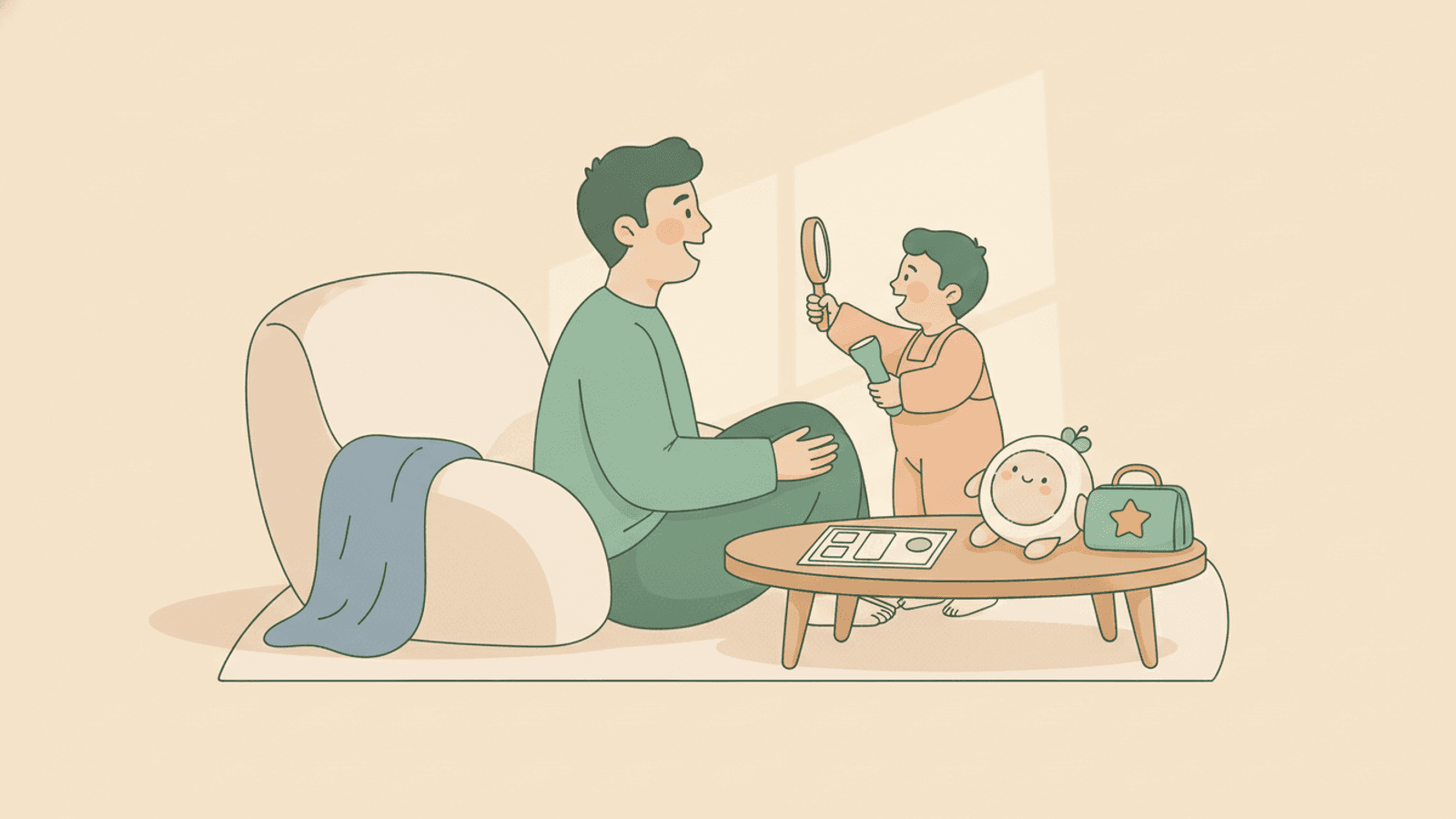
- Take turns being the dentist. Count teeth with a spoon or a small mirror, shine a torch, let your child do it to you first.
- Practise lying back with a light above and mouth open for a slow count of ten.
- Look in each other’s ears with a torch, listen to chests, press tummies.
- Read a picture book about a check-up, or write a short story of your own with photos of the actual clinic if the website has any.
That last one is a social story, and it is one of the most effective things available for a child who needs to know exactly what is coming.
Ask the clinic for what you need
Clinics are used to this and most will help if you ask in advance rather than at the desk.
- Book the first appointment of the day or the first after lunch: shortest wait, calmest room.
- Ask for a longer slot if your child needs a slow start.
- Ask whether you can wait outside or in the car and be called or messaged.
- Ask for a familiarisation visit: five minutes to see the room and the chair with nothing happening.
- Say in advance what helps: "he needs to be told before anything touches him", "she does better sitting on my lap".
- For injections, ask what pain relief is available and whether it needs to be applied before you arrive.
On the day
Bring a small kit: ear defenders or headphones for the drill and the waiting room, a comfort object, water, and something to do while waiting. Keep your own narration short. A parent who keeps checking "are you all right? are you sure?" tells a child there is something to be worried about.
Give your child one thing to control. A stop signal is the strongest option: agree with the dentist or nurse that raising a hand means pause. It is safe, it is genuinely honoured in most clinics, and it converts a helpless situation into a manageable one. Small choices help too: which arm, sitting up or lying down, headphones on or off.
Injections and blood tests
Needle fear is common and it responds well to a few specific things. Ask whether a numbing cream is available and how long before it needs to go on. Let your child sit upright, on your lap or hugging you chest to chest, rather than lying down and being held; being upright and held by a parent is both calmer and easier for the person doing the procedure. Blow out slowly, or blow a pinwheel, during the moment itself. Look away if your child prefers, and watch if they prefer that. Afterwards, name what happened plainly rather than making a drama of it.
If your child has fainted or come close to it during blood tests before, say so when you book. Lying down and other measures can be arranged. This article is general information, not medical advice — the clinic is the right place for anything specific to your child.
If it goes wrong
Sometimes the mouth does not open and the arm does not come out. Holding a child down for a non-urgent procedure buys you today and costs you years, so ask to stop and rebook instead. Partial progress counts: sitting in the chair, opening for two seconds, letting the dentist count with a mirror only. Tell the clinic what happened and what you would like to try differently next time, and put the next appointment in the diary while you are still there.
Children who find it harder
Clinics are sensory environments: fluorescent light, a high-pitched drill, latex, mint, disinfectant, a stranger inside your personal space. For a child with autism or sensory sensitivity, the waiting room can be harder than the treatment. Ask for the shortest possible wait, bring the ear defenders, and prepare visually rather than verbally — this is exactly the ground that visual support covers.
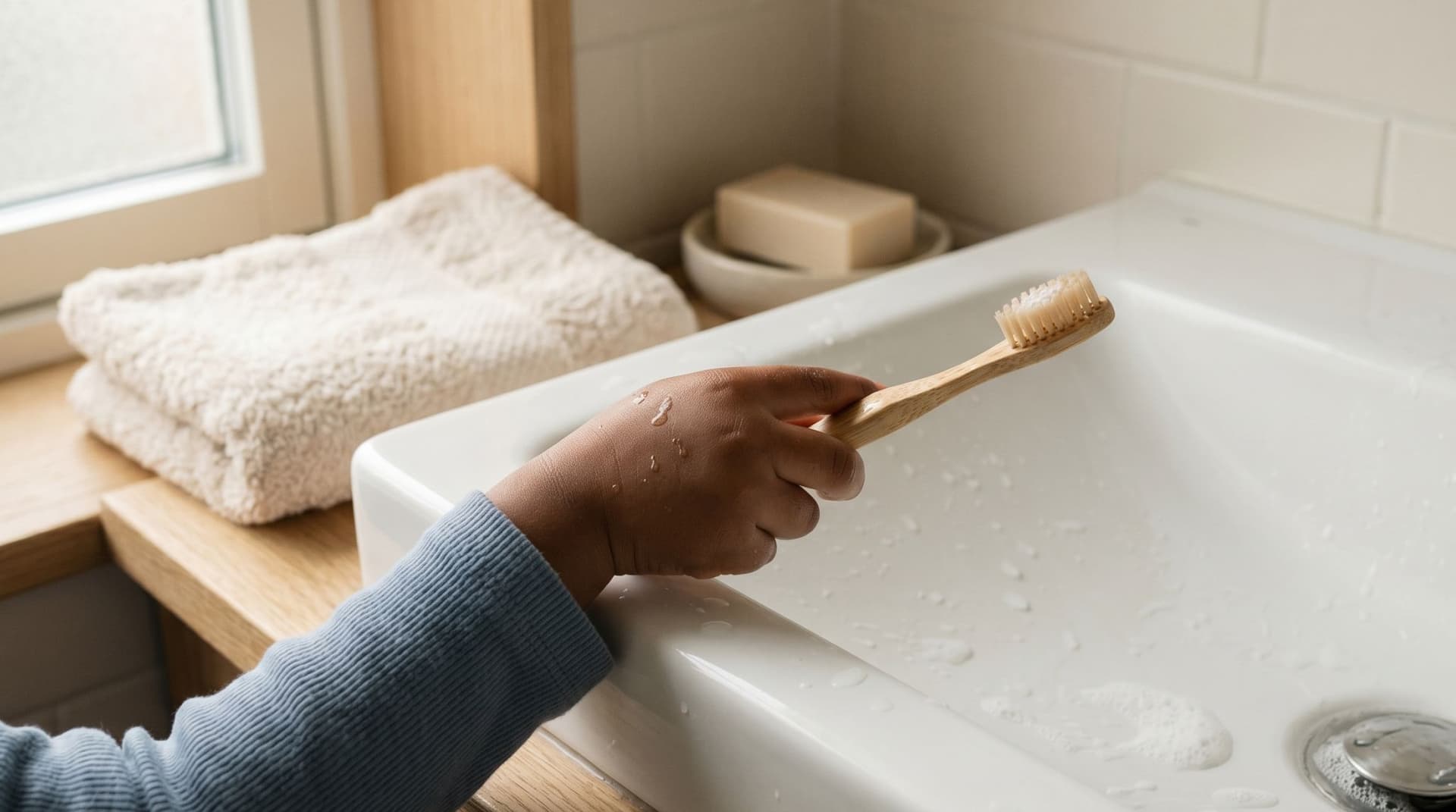
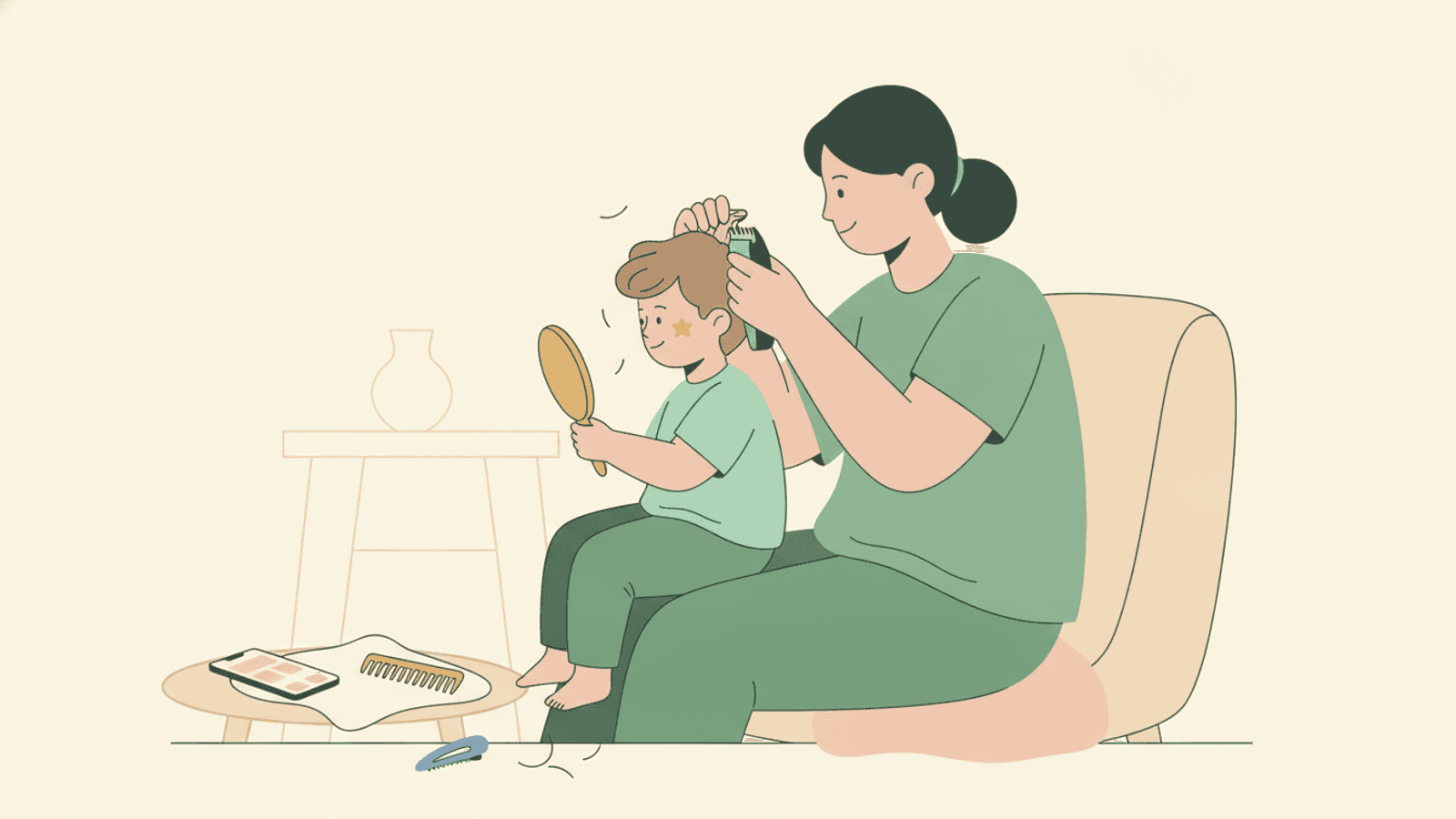
If your child already struggles with hands and tools near their face, the same techniques that work for haircuts and for toothbrushing transfer directly: warn before touching, describe as you go, and count down to the end.
Afterwards
Keep the debrief short and factual. "You sat in the chair and the dentist counted your teeth. That was the whole thing." Do not over-praise bravery, which suggests something dangerous happened, and do not promise the next one will be nothing. Write down what worked while you remember it: the time of day, the words that helped, who was in the room. Next time you will not be starting from scratch.
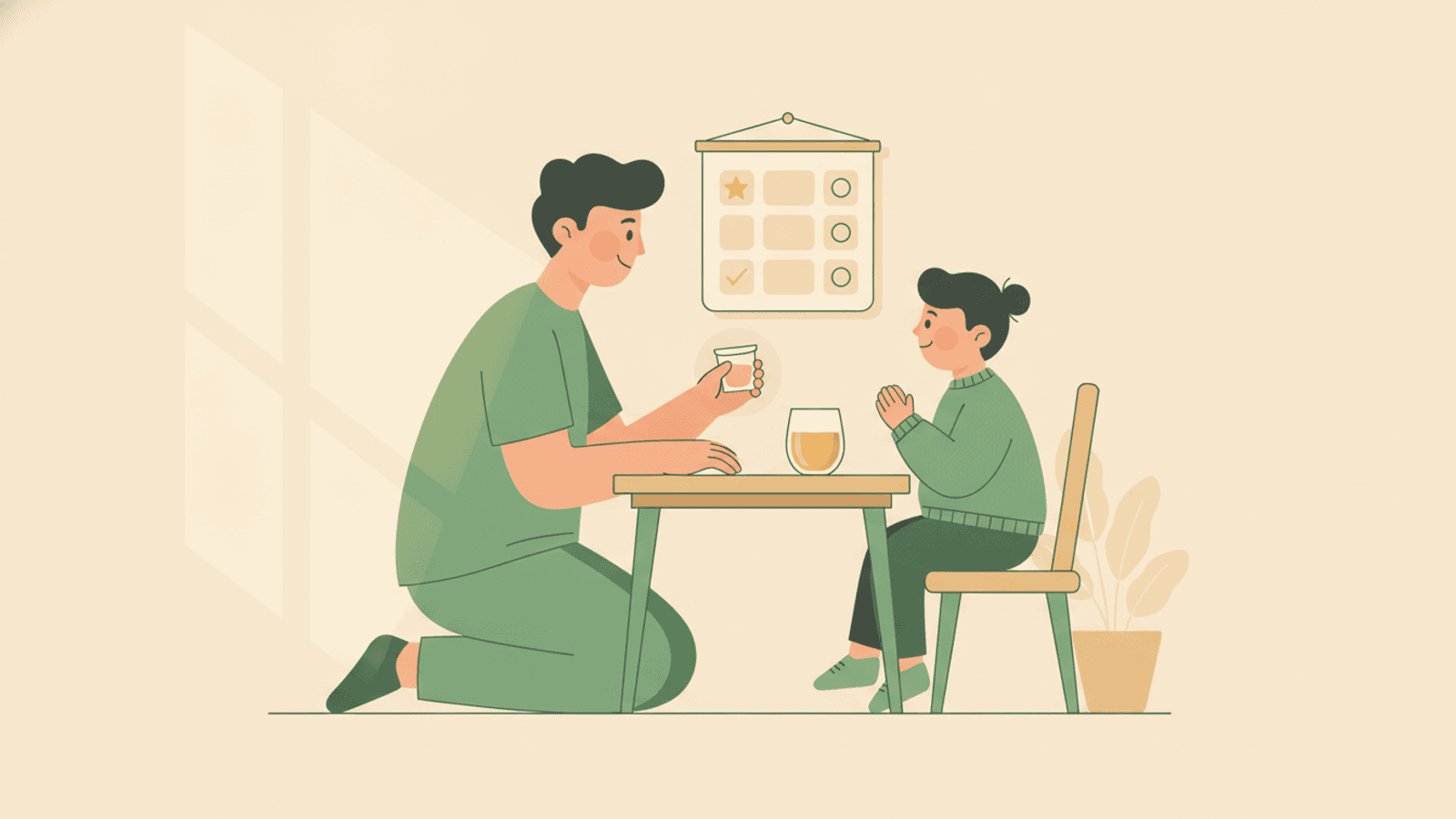
In Routined you can put the appointment in the calendar as a one-off event your child can see, with a reminder before it, and build the visit itself as a short routine with a picture on each step. Knowing when it is and what order things happen in removes most of the low-level dread of the days before. If medicine follows the visit, a calm medicine routine is the natural next piece.
A short checklist
- Tell your child at the right distance for their age, never in the car park.
- Describe what they will see, hear and feel, in order.
- Practise at home for fifteen minutes.
- Ask the clinic for the first slot, a longer slot, or a familiarisation visit.
- Agree a stop signal, and one or two small choices.
- Pack ear defenders, water and something to do.
- Book the next appointment before you leave.
Read more
- Toothbrushing without a fight — the daily version of the same problem.
- Haircuts without meltdowns — sitting still while a stranger works near your face.
- When your child refuses medicine — what to do after the appointment.
Frequently asked questions
How far in advance should I tell my child about an appointment?
Roughly: the same morning for a two to four-year-old, one to three days for five to eight, and as soon as you book it for nine and over. Anxious or autistic children usually do better with more notice plus a visible countdown. Never tell them for the first time in the car park.
Should I tell my child it will not hurt?
Only if you know it will not. If you promise no pain and there is pain, you lose the trust that makes the next appointment possible. Say what it will actually feel like and how long it will last: "a quick pinch, then it is over."
What if my child refuses to open their mouth or sit in the chair?
Stop and rebook rather than holding them down for anything non-urgent. Partial progress counts: sitting in the chair, opening for two seconds, letting the dentist look with a mirror. Tell the clinic what happened and ask for a longer or familiarisation appointment next time.
How do I help a child who is frightened of needles?
Ask the clinic what pain relief is available and when it needs to be applied. Let your child sit upright on your lap rather than lying down, practise blowing out slowly during the moment, and give them a choice about looking or not looking. Tell the clinic in advance if your child has fainted before.
My child is autistic. Can I ask the clinic for adjustments?
Yes, and most will accommodate them if you ask when booking. Common requests are the first appointment of the day, waiting outside or in the car until called, a longer slot, a short familiarisation visit, and being told before anything touches your child. Put the request in writing if it keeps getting lost.