Haircuts Without Meltdowns: A Calm Approach for Sensory-Sensitive Kids
The buzz of the clippers, bits of hair down the neck, a stranger’s hands on their head and no idea what is happening — haircuts can be genuinely overwhelming for a sensory-sensitive child. With preparation and the right setup, they can get much easier.
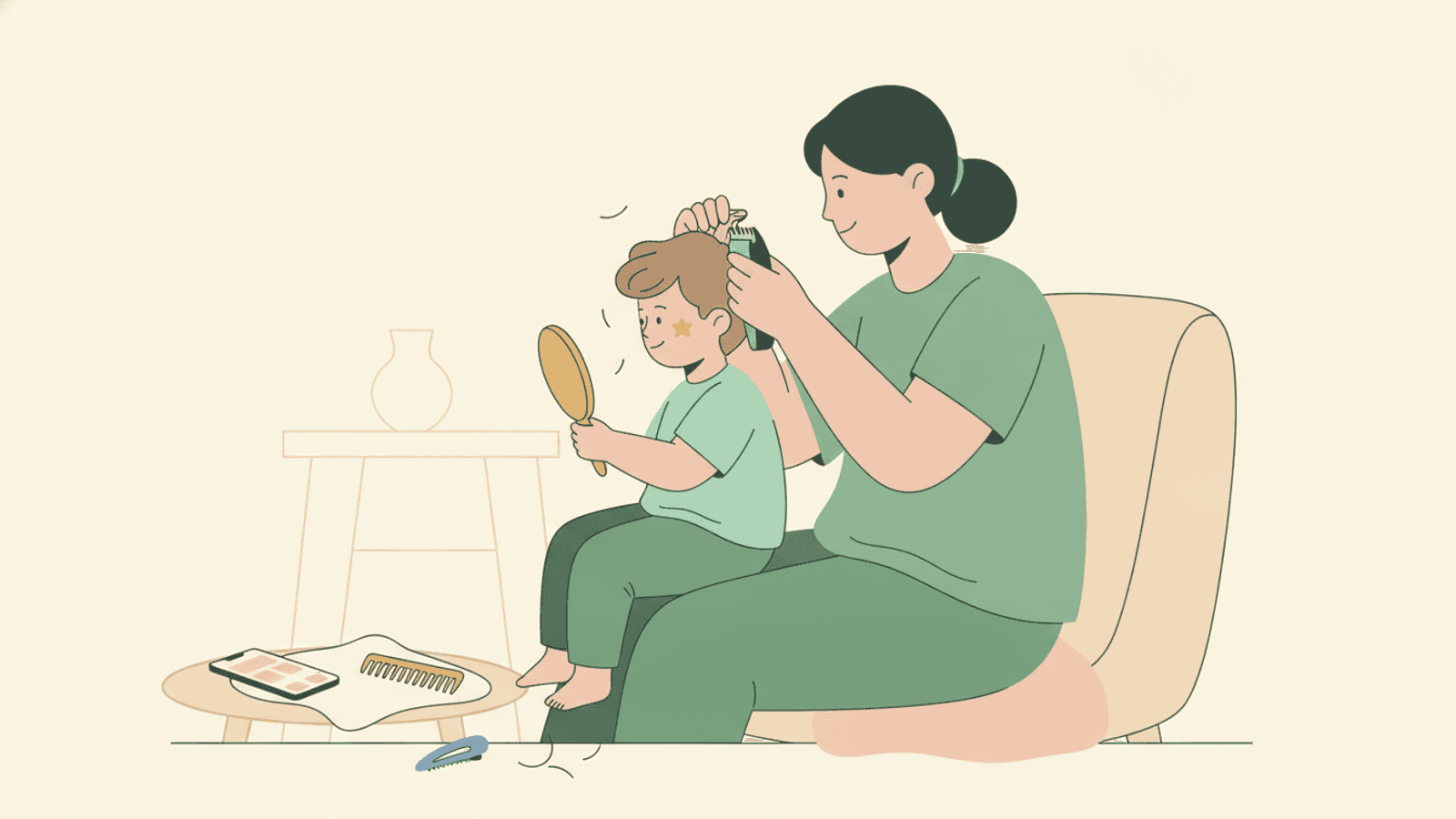
The buzz of the clippers, bits of cut hair sliding down the neck, a stranger’s hands on their head, and no real idea what is happening behind them — for a sensory-sensitive child, a haircut can be genuinely overwhelming. Many families dread it, or put it off for months. But with some preparation, the right setup and a slow build-up over time, haircuts really can get easier. Here is how to make them bearable, and sometimes even fine.
Why haircuts are so hard
A haircut stacks up sensory challenges all at once: the sound of scissors snapping or clippers buzzing, the feel of cut hair on the skin and down the collar, water spray, being touched and held still, an unfamiliar place and person, and not being able to see what is going on behind them. For a child who struggles with touch, sound or unpredictability, that is an enormous amount to cope with. Their reaction is fear and overwhelm, not naughtiness, and treating it that way changes everything.
Prepare in advance
- Use a simple social story or photos to walk through what will happen, step by step.
- Watch videos of children getting haircuts, or let your child watch you or a sibling have one first.
- Visit the salon beforehand, just to look around, with no cut planned.
- Practise at home — pretend haircuts on a doll, then on you, then gently on them with the tools switched off.
Choose the right setup
- Find a hairdresser or barber who is patient and good with sensitive or neurodivergent children; many now advertise exactly this.
- Book a quiet, off-peak time so the place is calm and unhurried.
- Consider a home haircut, where everything around your child is already familiar.
- Let your child sit on your lap, or somewhere they genuinely feel safe.
Reduce the sensory load
- Ask for scissors instead of clippers, or the other way round — some children find the steady hum of clippers easier than snipping.
- Skip the water spray if it bothers them and dry-cut instead.
- Skip the cape if it is unbearable, or use a soft towel, and brush or vacuum loose hair off quickly.
- A wash at home beforehand can mean far less needs to happen in the chair.
Distraction, control and breaks
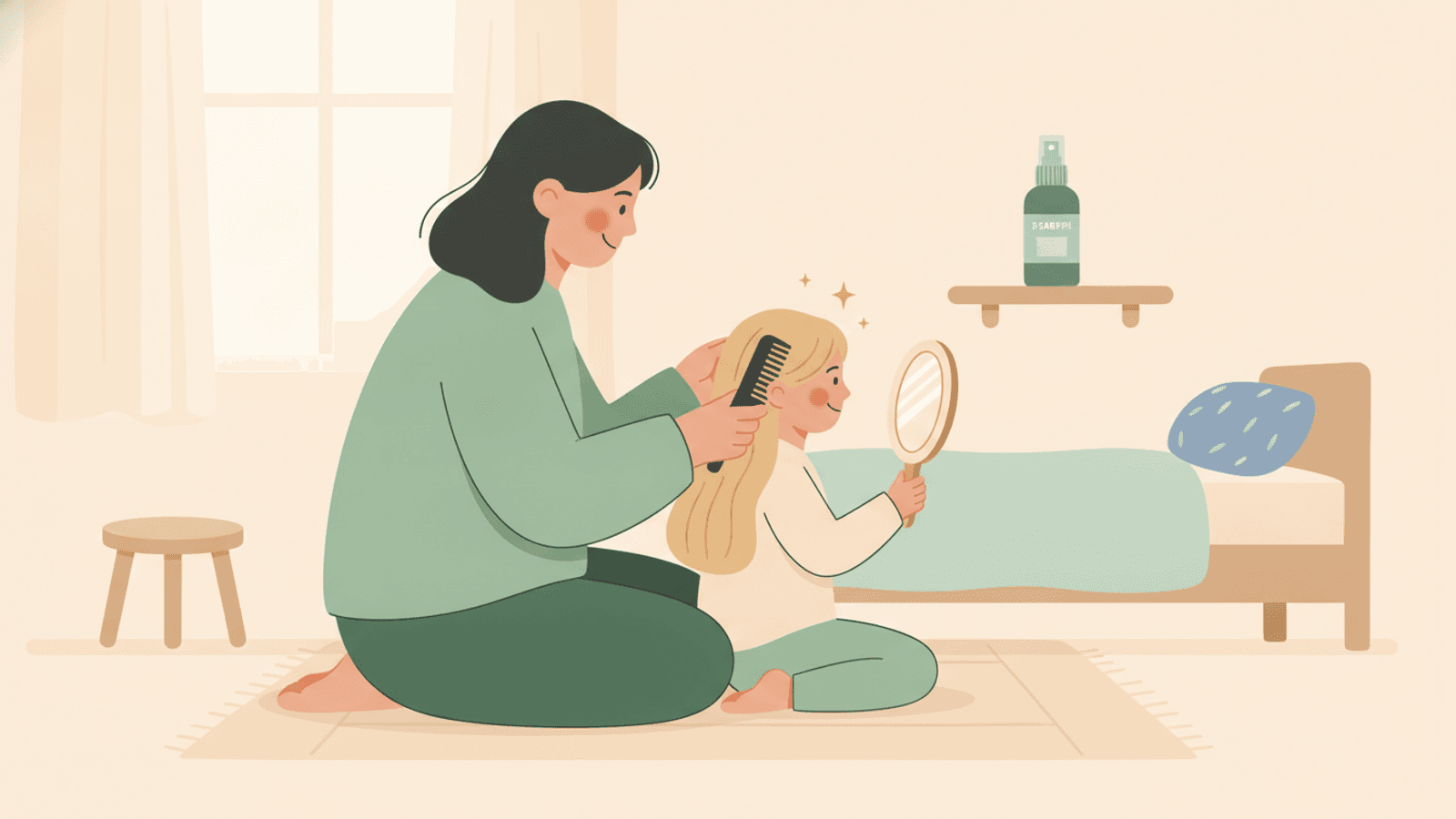
Let your child hold a tablet, watch a show, have a snack, or hold a mirror so they can see and feel in control rather than ambushed. Give them a small job, like holding something. Keep sessions short, take breaks whenever they need one, and accept a “good enough” cut over a perfect one. Going slow and building tolerance over several visits beats forcing through one long ordeal that makes the next time worse.
Build it up and reward
Start with tiny goals — just sitting in the chair one time, then a trim of a single section the next — and grow from there. Praise every scrap of bravery, and a small reward afterwards genuinely helps. Each calm, successful experience makes the next one easier, while a forced and frightening one makes the whole thing harder for a long time, so the slow route is usually the fast route.
For children with autism or ADHD
Sensory sensitivities make haircuts a classic flashpoint, and predictability is everything. Prepare visually, keep it as identical as possible each time — same person, same place, same order — reduce the sensory load wherever you can, and go entirely at your child’s pace. If haircuts are extremely distressing, an occupational therapist can help with a gradual desensitisation plan. This article is general guidance, not medical advice.
Read more
Frequently asked questions
Why does my child hate haircuts so much?
Haircuts combine sound (scissors, clippers), touch (cut hair on skin, being held still), water spray, an unfamiliar place and person, and not being able to see what is happening — all at once. For a sensory-sensitive child that is overwhelming, so the reaction is fear, not naughtiness.
How do I prepare my child for a haircut?
Use a social story or photos to explain each step, watch videos or let them see a sibling have one, visit the salon first with no cut, and practise pretend haircuts at home. Knowing exactly what will happen removes much of the fear.
How can I make haircuts easier for a sensory-sensitive child?
Choose a patient hairdresser and a quiet time, reduce the sensory load (scissors instead of clippers, no water spray, no cape), let your child sit on your lap and hold a tablet or mirror, keep it short with breaks, and build up over several visits.
Should I cut my child's hair at home?
For many sensory-sensitive children a home haircut is much easier, because everything around them is familiar and you control the pace and tools. It is well worth trying if salon visits are very distressing, even if the result is not salon-perfect.
What if my child won't sit still for a haircut?
Keep sessions very short, take frequent breaks, use distraction like a tablet or a snack, and accept a “good enough” cut done over a few sittings. Let them sit on your lap, give them something to hold, and build up tolerance gradually rather than forcing a long sit.