Cutting Nails Without a Battle: A Calm Guide for Sensitive Kids
The click of the clipper, fingers snatched away, a meltdown over something that takes two minutes — cutting a child’s nails can be a surprisingly big battle. For a sensory-sensitive or anxious child it is genuinely hard. Here is how to make it calmer.
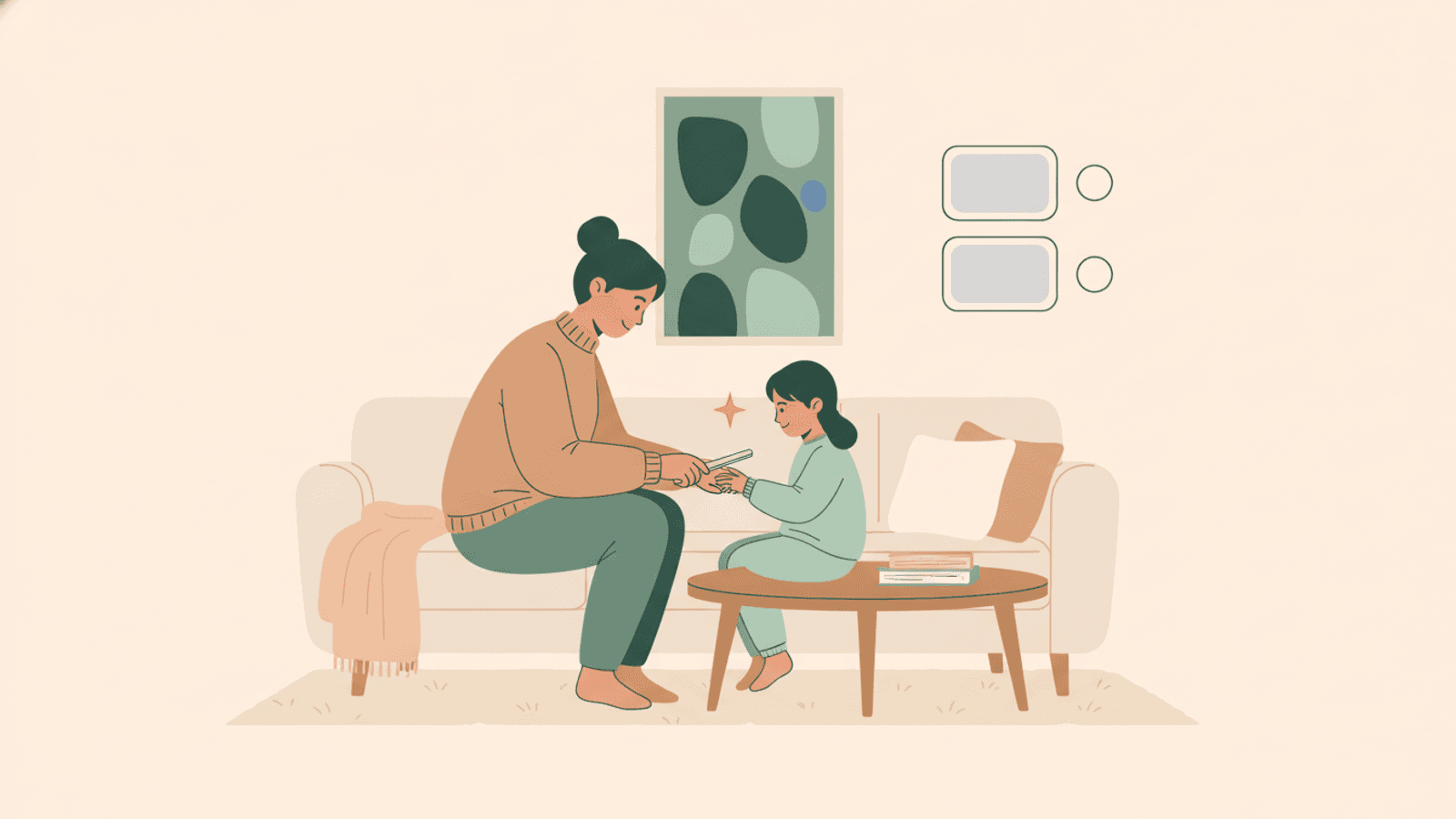
The click of the clipper, fingers snatched away, a full meltdown over something that takes two minutes — cutting a child’s nails can be a surprisingly big battle. For a sensory-sensitive or anxious child it is not stubbornness; it is genuinely hard, and often a little frightening. The good news is that a few changes to when, how and with what you cut can turn nail-time from a wrestling match into a quick, calm job.
Why nail-cutting is hard
It combines several things children find tough: an unfamiliar sensation right at a sensitive spot, the click and feel of the clipper, being held still, and real fear of being hurt — often because they were nicked once and have not forgotten it. Hands and feet are very sensitive, so the discomfort is real, and the fear makes a child pull their hand away, which makes a slip more likely, which deepens the fear. Understanding that loop is the first step to breaking it.
Pick the right moment
- Cut while they sleep if they are a deep sleeper — many parents swear by doing it on a settled, sleeping child.
- Do it right after a bath, when nails are soft and far easier to cut cleanly.
- Choose a calm, unhurried moment, not a rushed and stressful morning.
- Do a little often — one hand, or just a few nails — rather than trying to do all twenty at once.
Reduce the sensory and fear load
- Try a file or emery board instead of clippers — it is quieter, has no sudden click, and there is no risk of nicking.
- Try baby scissors or a different style of clipper if one particular shape bothers them.
- Give a firm squeeze or deep pressure to the hand first; it can calm the nerves before you start.
- Hold the finger steady and cut confidently and quickly — hesitation tends to make it worse, not better.
Give control and distraction
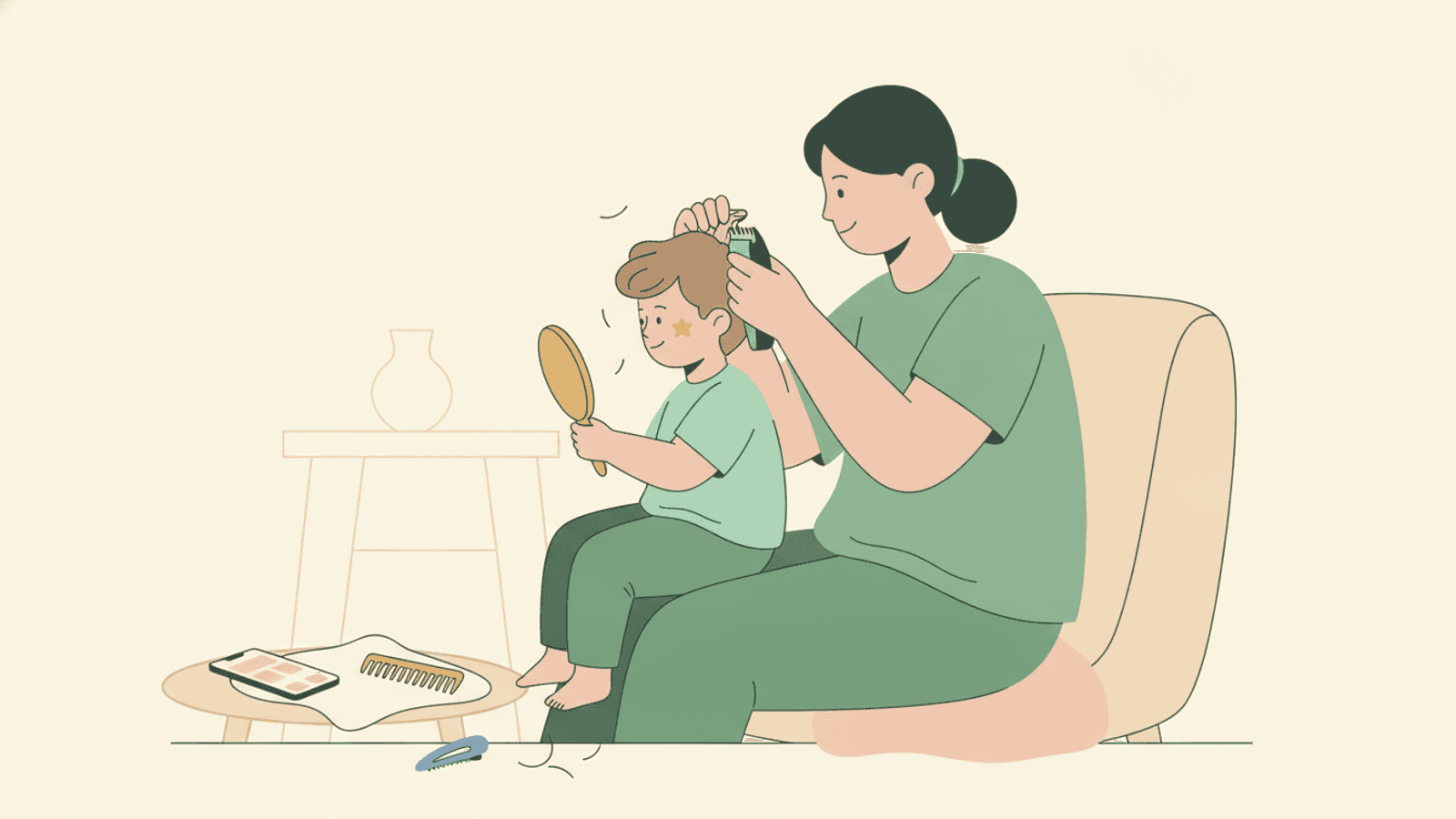
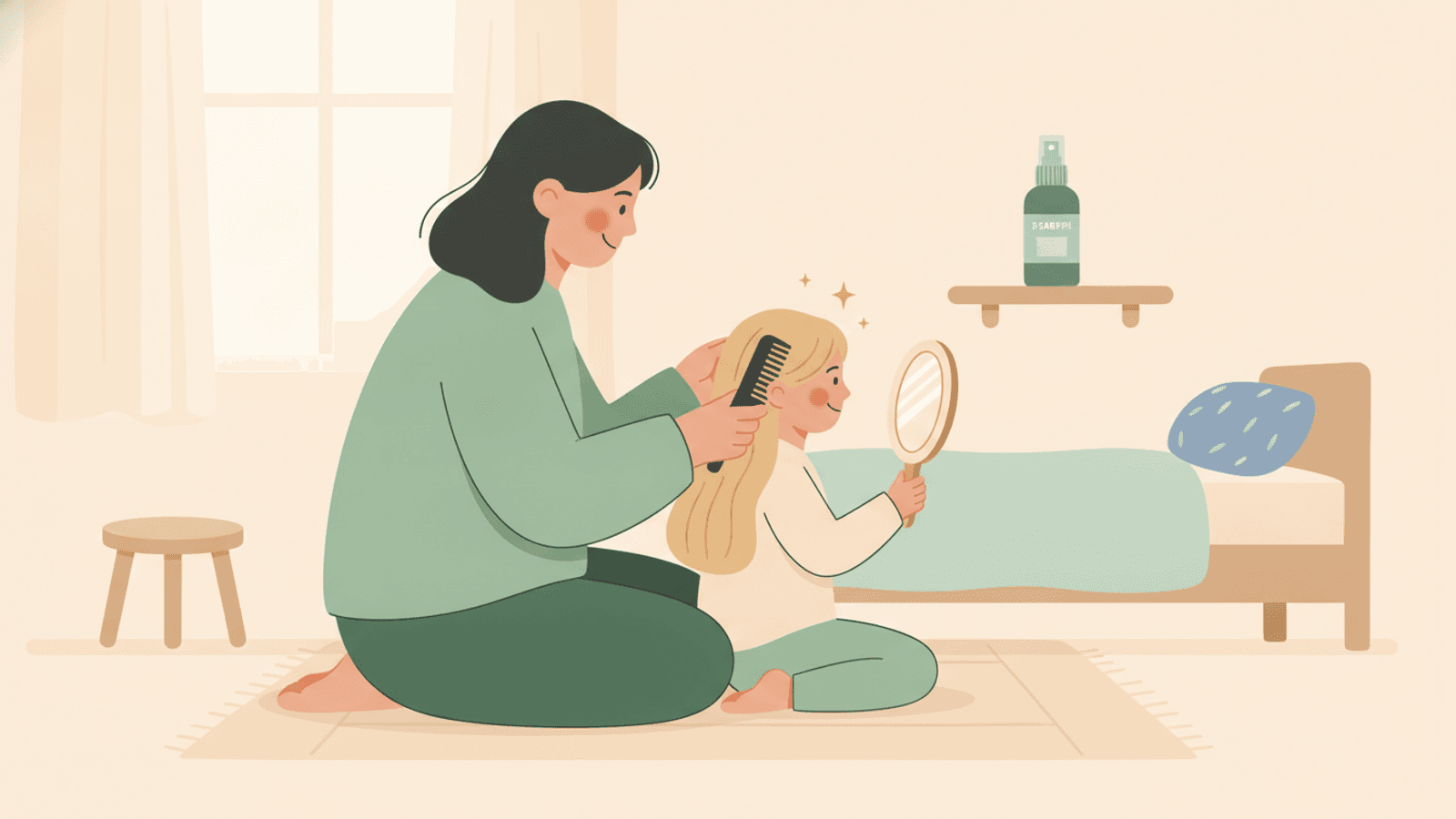
Let your child watch, hold the clipper or file, do one nail themselves, or choose which finger comes next. Distraction helps a lot — a show, a song, or counting each nail like little piggies. A mirror, or letting them “help,” lowers the feeling of something being done to them against their will. Naming each step out loud — “now the thumb, then we’re done with this hand” — removes the surprise that fuels the fear.
Address the fear directly
If your child is scared of being hurt, name it rather than brushing it off: “I know you’re worried it will hurt — I’ll go slowly and stop the moment you say stop.” A genuine stop signal that they control builds trust faster than anything else. Practise on a doll, or let them snip a piece of paper or playdough to see the clipper is not actually dangerous. Never force a fully pinned-down battle, because it cements the fear and makes every future time harder.
Build up and reward
Aim for tiny wins: one nail done calmly today, two next time, the whole hand the time after. Praise the bravery and offer a small reward afterwards. Filing a little every few days keeps nails short enough that you rarely need a big cut at all. Calm, repeated, low-pressure experiences slowly turn nail care from a dreaded battle into a quick non-event.
For children with autism or ADHD
Sensory sensitivity and difficulty staying still make nail-cutting a classic struggle. Lean on a file rather than clippers, do it during sleep or after a bath, give a real stop signal and as much control as you can, and keep it tiny and frequent rather than rare and dramatic. If it is extremely distressing, an occupational therapist can help with desensitisation. This article is general guidance, not medical advice.
Read more
Frequently asked questions
Why does my child hate having their nails cut?
It combines an unfamiliar sensation at a very sensitive spot, the click and feel of the clipper, being held still, and often a real fear of being hurt after being nicked once. For a sensory-sensitive child the discomfort and fear are genuine, not fussiness.
How can I cut my child's nails without a fight?
Pick a calm moment or do it after a bath when nails are soft, use a file instead of clippers, do a few nails at a time, give your child control and distraction, and offer a stop signal they can use. Build up slowly with praise and small rewards.
Is it okay to cut my child's nails while they sleep?
Yes, many parents find it the easiest option for a deep sleeper. Wait until they are settled in deep sleep, work in good light, and go gently. A nail file is even safer than clippers for a sleeping child, with no risk of a sudden nick.
Should I use a file instead of clippers?
A file or emery board is often much easier for a sensitive or anxious child: it is quieter, has no alarming click, and carries no risk of cutting the skin. Filing little and often keeps nails short without ever needing clippers, which removes a lot of the fear.
My child is scared of nail clippers — what do I do?
Acknowledge the fear, give a stop signal they control, and go slowly and predictably. Let them practise snipping paper or playdough so they see the clipper is not dangerous, or switch to a file. Never force a pinned-down cut, which only deepens the fear.