Gymnastics
Standing on your hands takes more courage than strength at first. The body does not know where the floor is, and fear takes up space before technique arrives. The pictures below split the elements up so each part can be trained on its own before being combined.
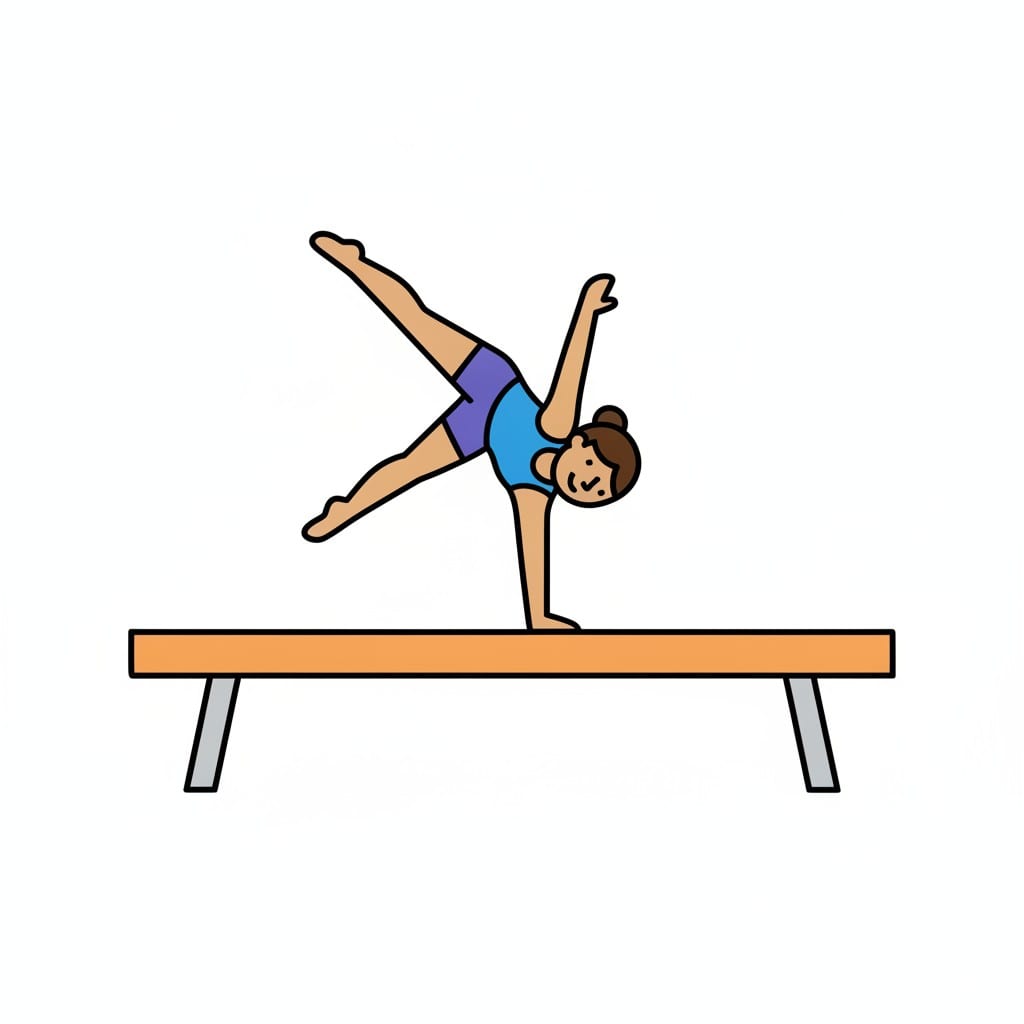 ♀
♀Gymnastics
A girl holds a balance pose on a beam.
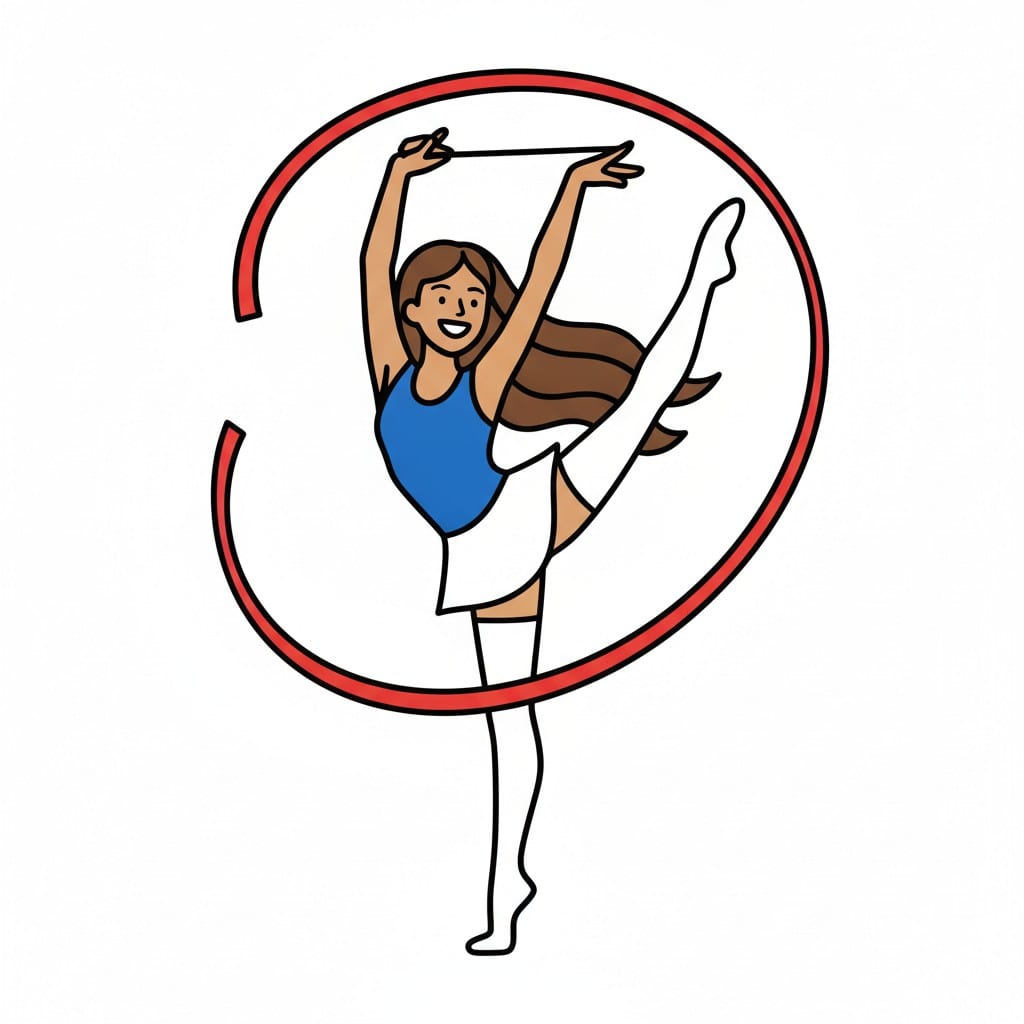 ♀
♀Gymnastics
A girl does rhythmic gymnastics with a red ribbon.
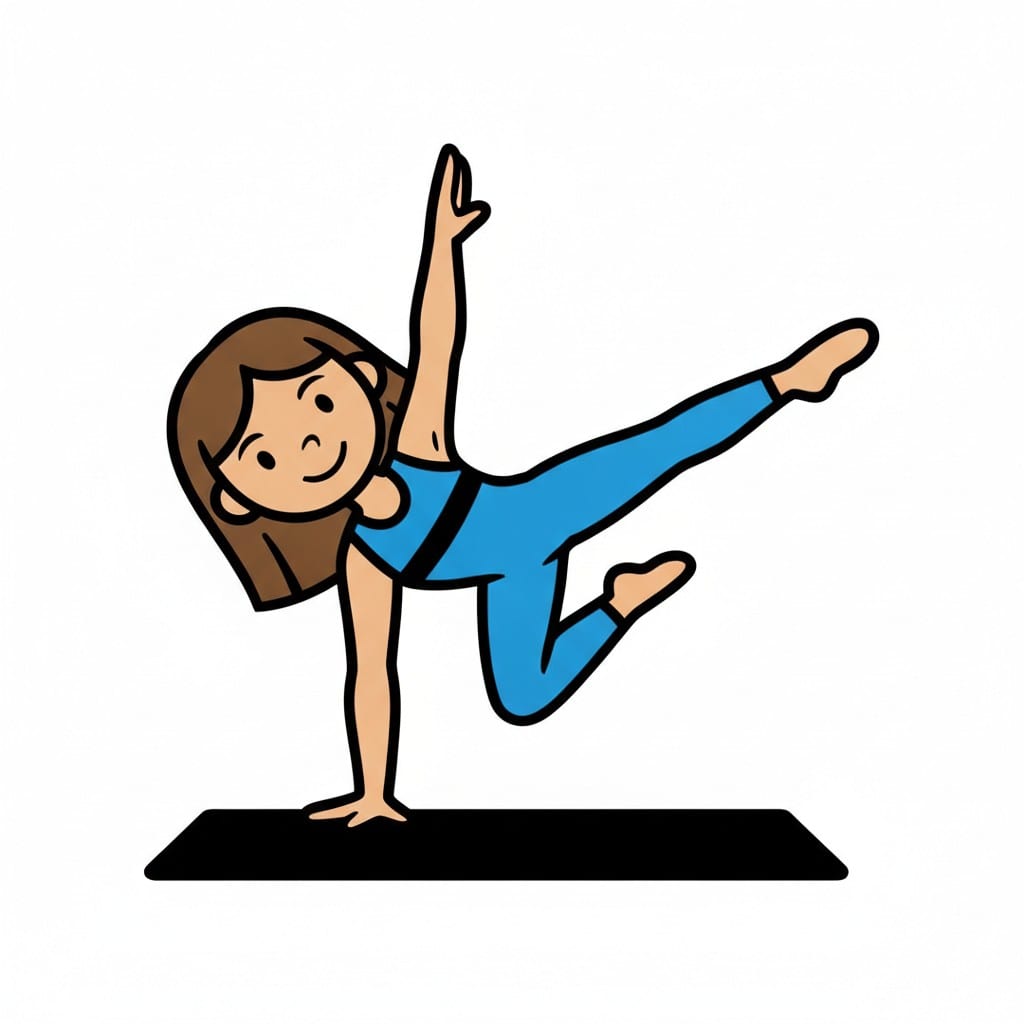 ♀
♀Gymnastics
A girl does a standing split on a mat.
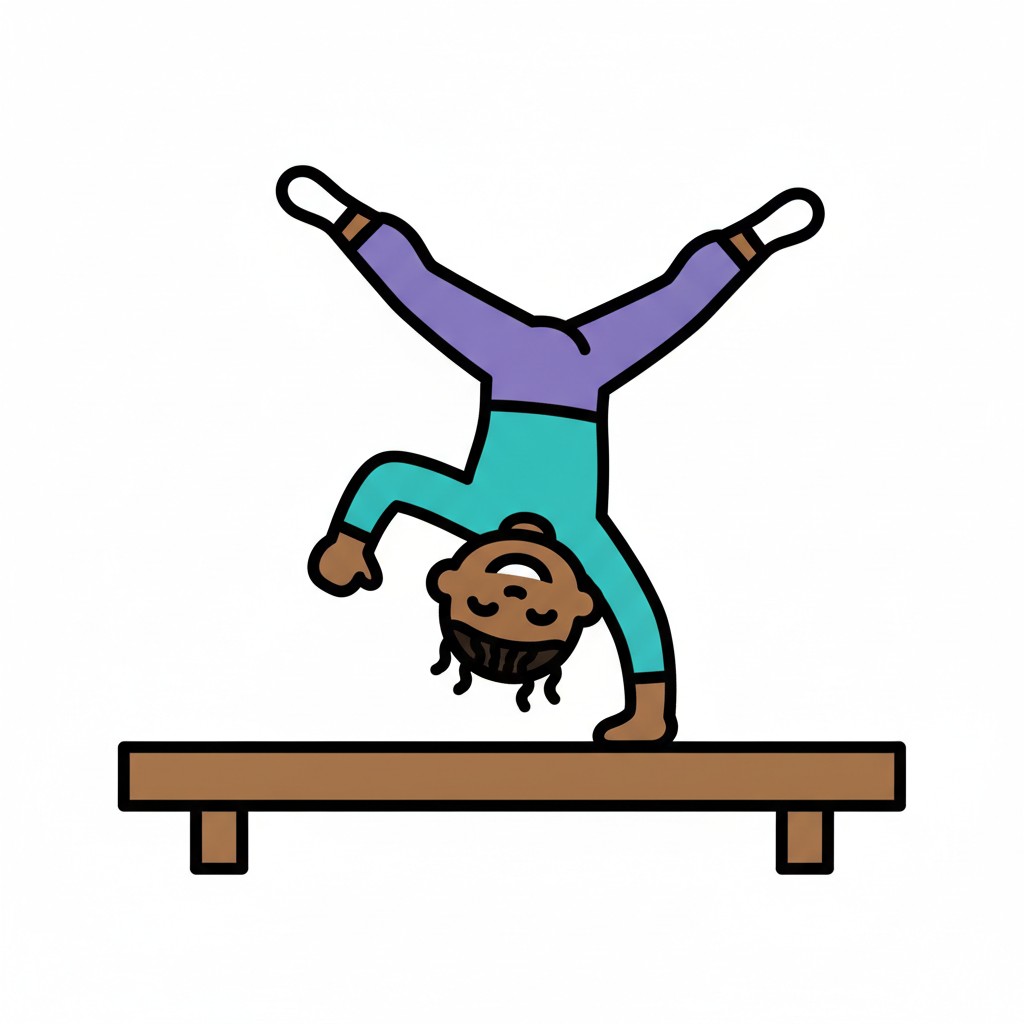 ♀
♀Do a handstand
A person does a handstand on a beam with their legs in the air.
About this visual support
Gymnastics literally turns the conditions upside down. In everyday life the body always knows where the floor is, but in a roll or a handstand that reference disappears in a second. The brain responds by tensing, which makes the movement stiffer and therefore harder, and the fear confirms itself. This is not a lack of will but a reasonable reaction to losing orientation.
Visual support allows the elements to be trained in smaller pieces. One picture for the starting position, one for the movement itself and one for the landing lets the focus rest on one thing at a time. Many children dare more when they know exactly what is coming, because the known feels less dangerous than what is only described in words.
A concrete tip is to always begin with the same warm-up. The body recognises the pattern and has time to adjust before the harder elements arrive. In Routined the training day can sit as a routine with packing and times, and the app can be tried for fourteen days at no cost.
Use this image in a schedule
Build your own visual schedule with this image and download it as a print-ready PDF. Completely free.
More similar visual supports
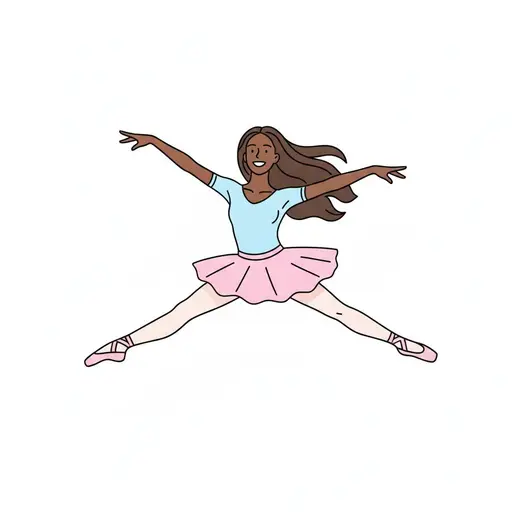
Ballet
A laughing dancer with long hair in a light blue top and pink tutu jumps with le...
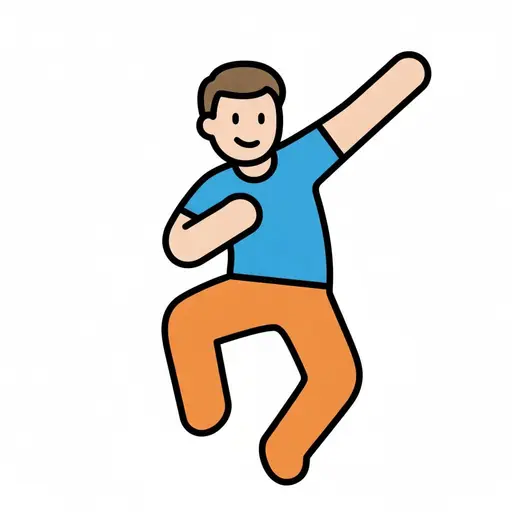
Jazz dance
A person makes a dance leap with one arm stretched upward.
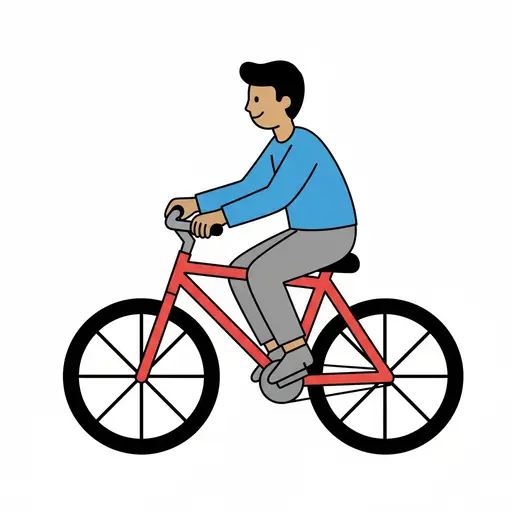
Go horseback riding
A person rides a red bike.
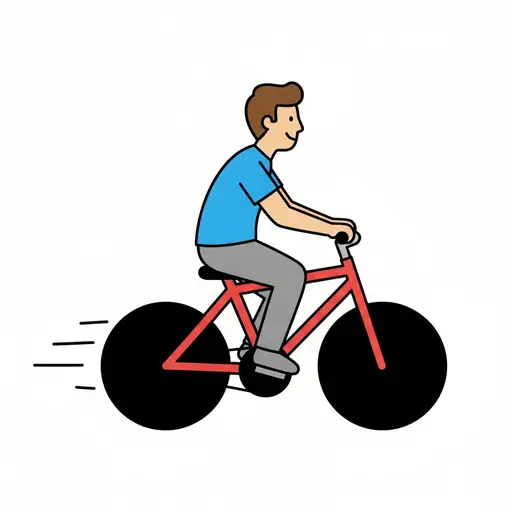
Ride a bike
A man in a blue t-shirt rides a red bike with speed lines behind him.
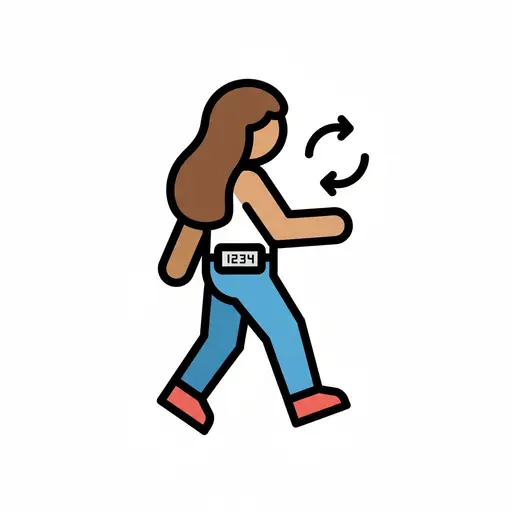
Step counter
A person with long hair and pants walks with a step counter attached to their wa...
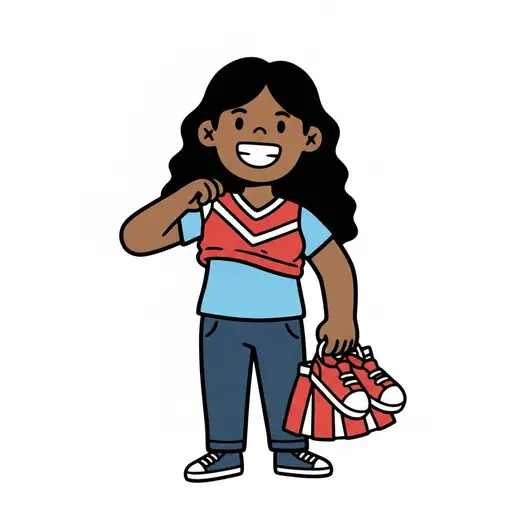
Get changed for training
A happy girl pulls on a red cheerleading top while holding pom-poms and shoes.
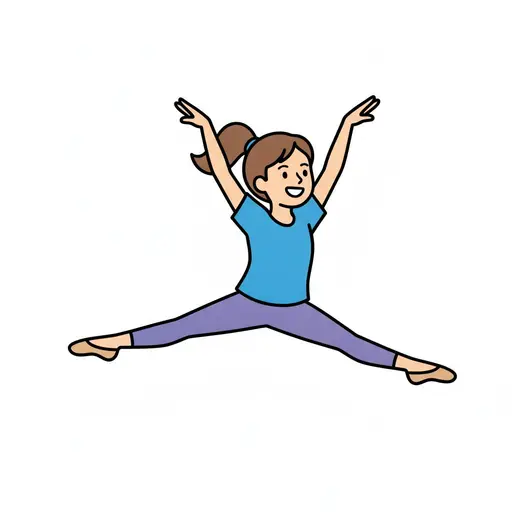
Dance leap
A smiling person with a ponytail in a blue t-shirt and purple trousers floats in...
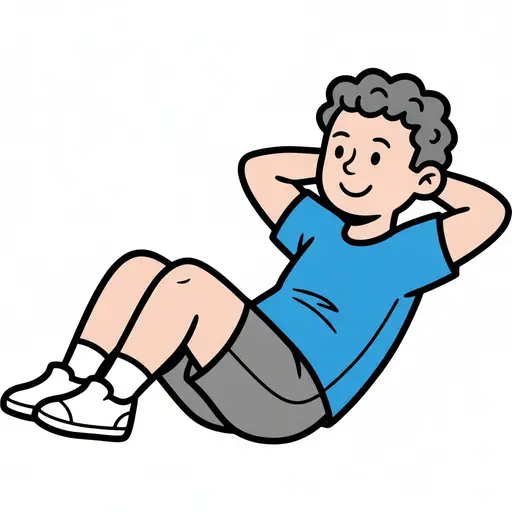
Sit-ups
A boy lies on his back with bent knees and hands behind his head while doing a s...
This visual support in other languages
Take the visual supports with you
In Routined you build schedules from these pictures, add timers and voice instructions, and your child follows the day on their own.


* 14-day free trial, then $2.39 a month or $20.99 a year (US pricing). Cancel anytime.