Explaining ADHD to Your Child: What to Say, and When
Your child already knows something is different. The explanation they invent on their own is almost always worse than the truth.
Explain ADHD to your child early, in plain words, and frame it as how their brain works rather than what is wrong with them. Children who are told about their diagnosis generally cope better than children who are not, because a child who notices they are different will build an explanation regardless, and the one they build alone is usually some version of "I am stupid" or "I am bad". Your explanation replaces that one.
This is not a single conversation. It is a first conversation followed by twenty small ones over the years, as your child gets old enough to ask better questions. The first one only has to be honest, short, and calm.
Why to tell them at all
Parents often wait, usually for good reasons: the fear of labelling, the worry that a diagnosis becomes an excuse, the hope that it will be less of a big deal later. In practice the waiting rarely helps. Your child has already noticed that sitting still, finishing things and remembering instructions cost them more effort than they cost the child at the next desk. What they lack is a reason that is not about their worth.
- A name for it turns a personal failing into a known thing that other people have too.
- It makes support make sense. Why they get extra time, why the timer exists, why homework is broken into pieces.
- It gives them language for asking for what they need, which is the skill that matters most at fifteen and at twenty-five.
- It prevents the worst version: overhearing it, or finding a report on the kitchen table.
When, and who
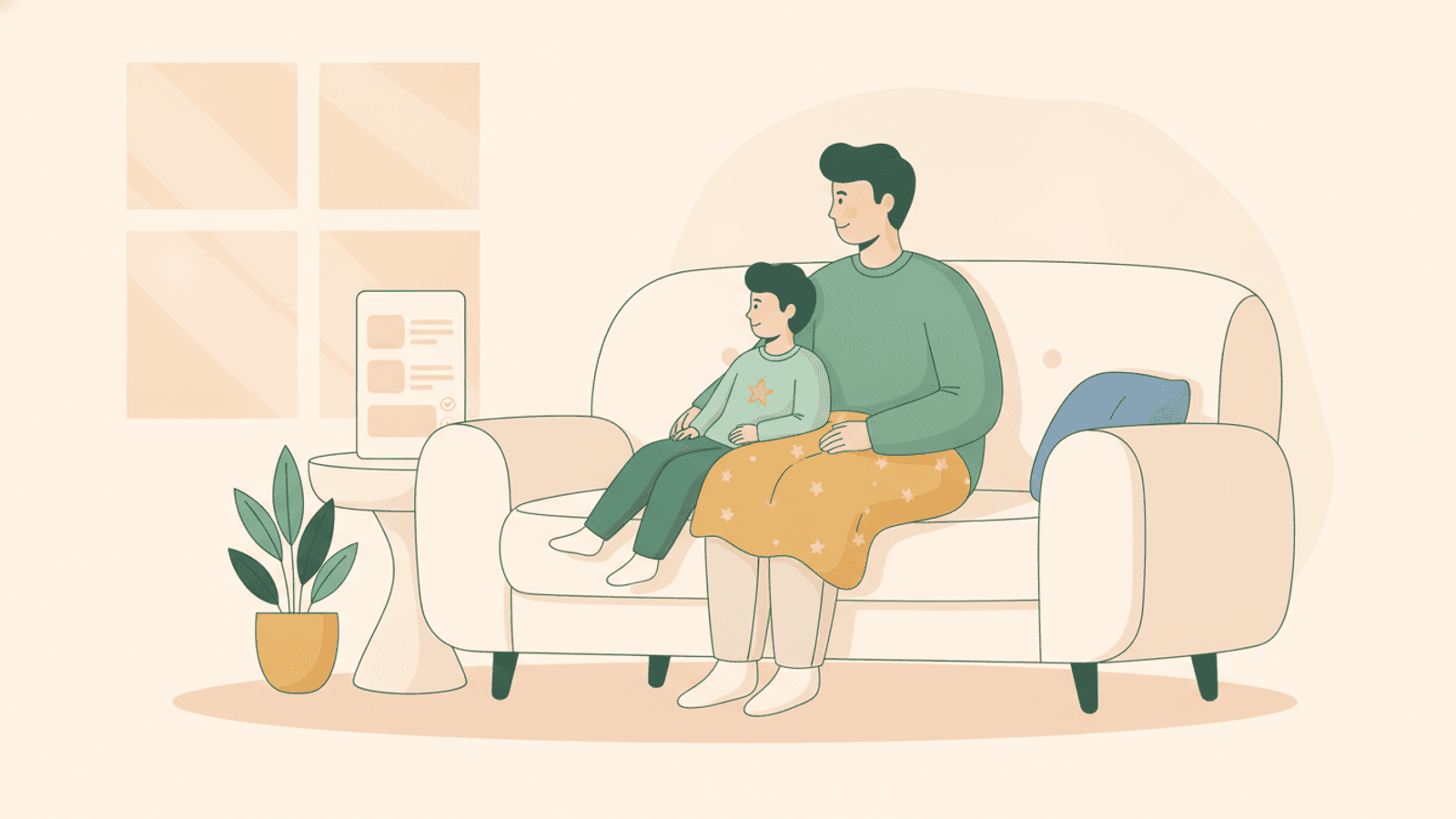
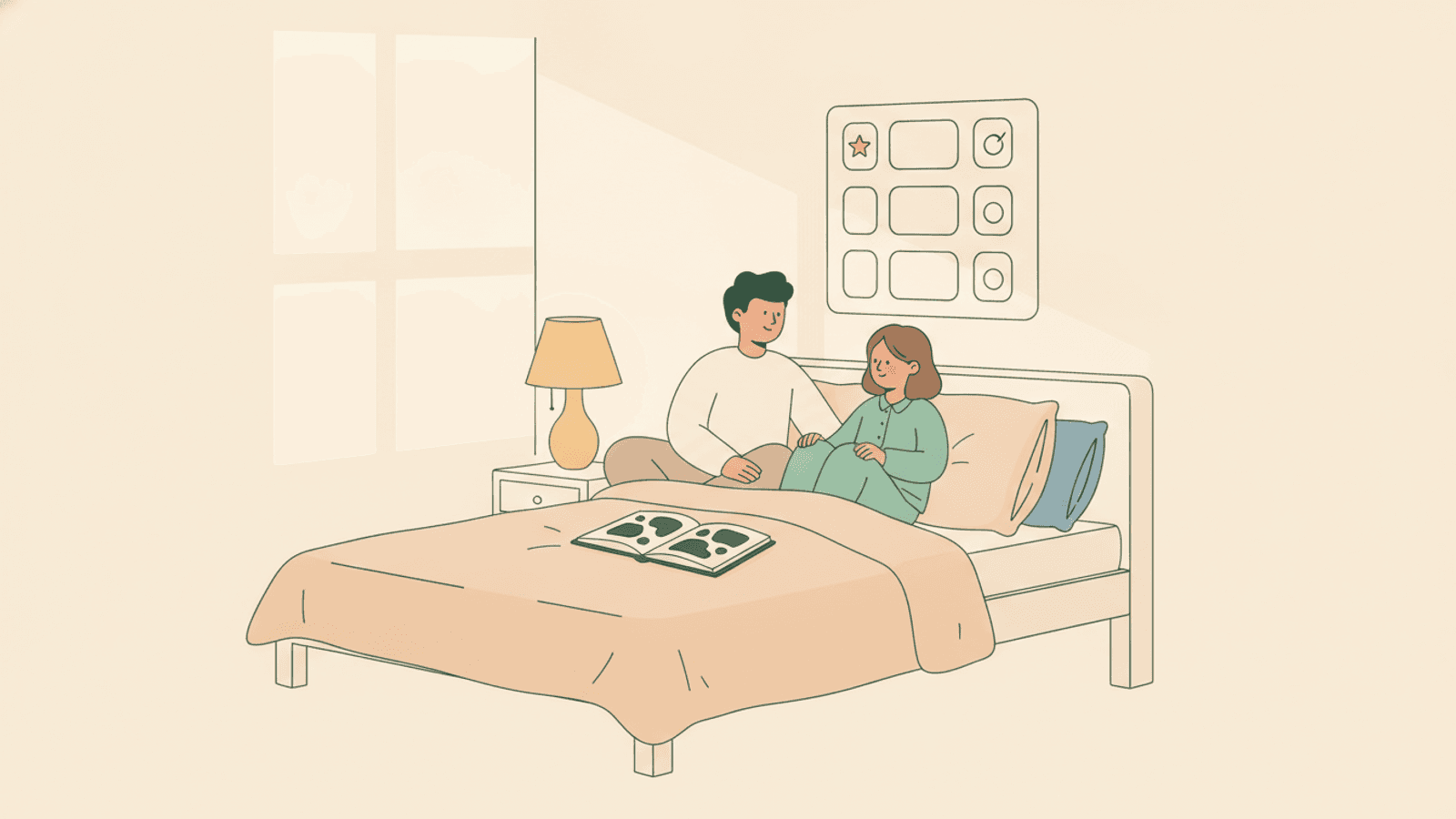
Tell them as soon as they can hold the idea, which for most children is somewhere from five or six onwards, and immediately if they are older. Choose an ordinary calm moment — a walk, a car journey, the side of the bed — and specifically not the end of a bad day. Explaining ADHD half an hour after a meltdown makes it sound like a diagnosis of the meltdown.
It should come from a parent, not from a clinic letter and not from a teacher. If a professional is going to explain it, be in the room.
What to say, by age
Four to six
Keep it to two sentences and something concrete. "Everybody’s brain works a bit differently. Yours is a fast one, so it is really good at ideas and moving, and it finds waiting and stopping harder. That is called ADHD, and that is why we use the picture list in the morning."
Seven to ten
This is the age for the how-it-works version. "ADHD means the part of your brain that decides what to pay attention to, and when to start and stop, works differently. It is not about being clever, and you are clever. It means boring things are genuinely harder for you than for other people, not that you are lazy. And it means that when something interests you, you can concentrate more deeply than almost anyone."
Eleven and over
Be direct and give them agency. Name it properly, say it is common and lifelong, say it is not caused by anything they or you did, and be honest that some things will always take more effort while others come easier. Then hand them a role: "you are the person who decides what helps. My job is to set it up."
The three things every version needs
- What it is: a difference in how attention, impulses and starting things work, not a measure of intelligence or character.
- What it is not: not your fault, not caused by anything you did, not something to be ashamed of, not a reason you cannot do things.
- What helps: the concrete things in your house already — the list on the wall, the timer, breaking homework up, movement before sitting down.
Ending on what helps is what turns the conversation from a label into a plan.
Words that work, and words to avoid
- Avoid "disorder" as the headline. It is in the official name and you do not have to lead with it. "Your brain works differently" is accurate and does not land as a verdict.
- Avoid "superpower". It is well meant, but it makes the hard days confusing: if this is a superpower, why can I not finish anything? Say instead that it comes with real strengths and real costs.
- Avoid "you cannot help it". True in a narrow sense, and it removes the sense of agency your child needs. "This is harder for you, so we use tools" keeps them in the driving seat.
- Avoid "suffers from". "Has" is enough.
- Use examples from their life. Abstract explanations slide off. "That is why the maths worksheet felt impossible even though you knew the answers" lands.
The questions they will ask
- "Will it go away?" Be honest: it does not go away, but it changes, and people get much better at working with it. Many things that are hard now will be easier at twenty.
- "Am I the only one?" No. There are children with ADHD in almost every class, and plenty of adults with it, including in jobs they love.
- "Do I have to take medicine?" Answer factually and without pressure: some people do, some do not, it is a decision made with a doctor, and it is not a punishment or a personality change. Take specific questions to your child’s clinician — this article is general information, not medical advice.
- "Does it mean I am stupid?" Say no clearly and once. Then give evidence from their own life rather than reassurance.
- "Did you know before?" Tell the truth, including if you waited. "We wanted to understand it properly before we talked to you about it."
Who else gets to know
The school needs to know, because support depends on it. Beyond that, let your child have as much control as their age allows. Ask directly: do you want your friends to know? Do you want me to tell your football coach, or would you rather do it? Some children tell everybody in a week; others want it kept close for a year. Both are fine, and forcing openness usually backfires.
Afterwards
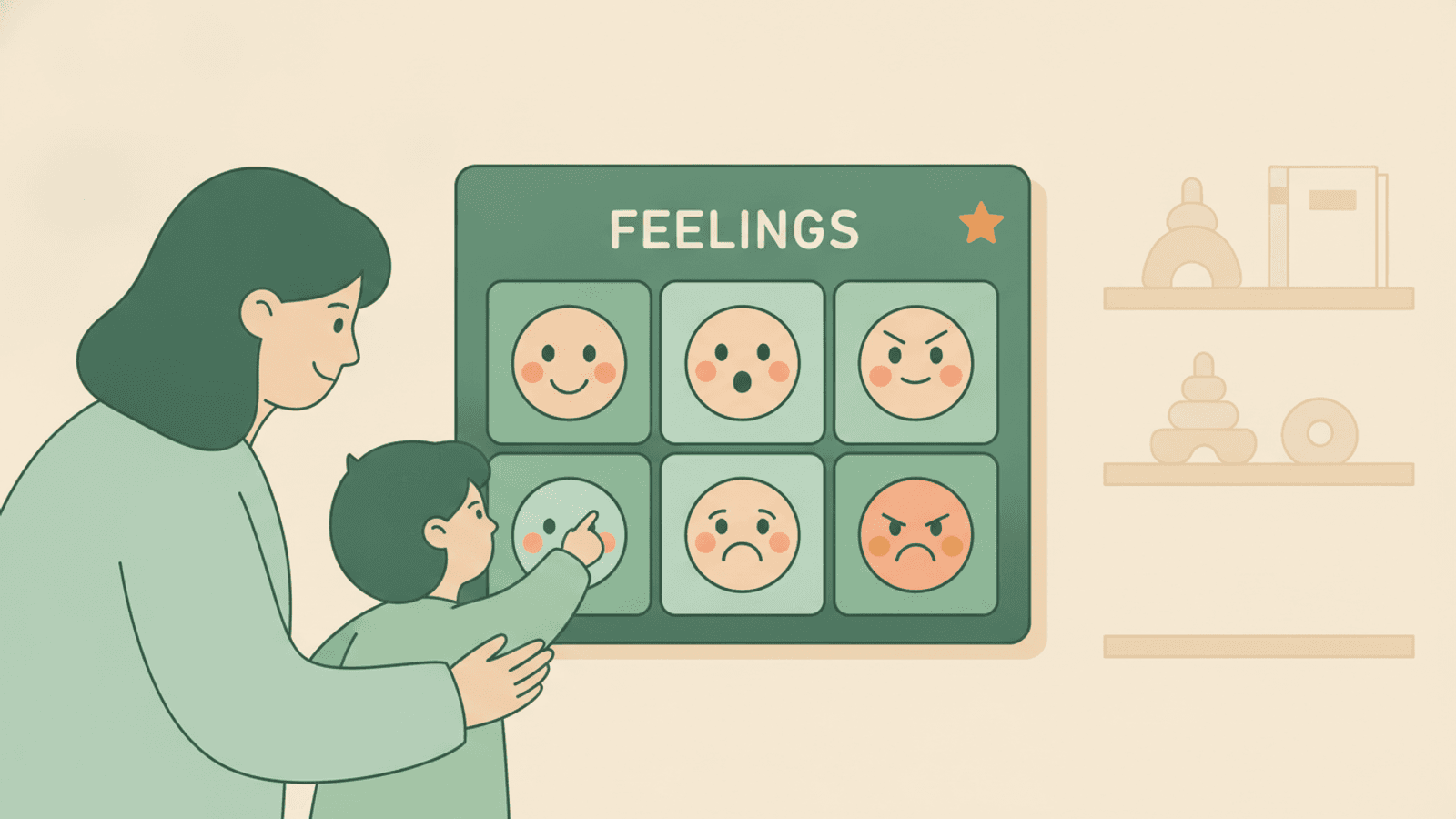
Expect the subject to come back in pieces for months, usually at inconvenient moments. Answer briefly each time and let it go. Keep books about ADHD where they can find them without asking. And keep noticing the strengths out loud, specifically rather than generally: "you saw that connection nobody else did" does more than "you are so creative". Giving your child words for their inner experience helps here too, which is the ground covered in building an emotional vocabulary.
If you are early in this and the diagnosis itself is recent, the practical order of business is in first steps after an ADHD or autism diagnosis. And if sleep is one of the things your child now has a name for, sleep and ADHD explains why it is harder and what helps.
If your child rejects it
Some children say "I do not have that" and mean it. Do not argue. Drop the label and keep the practical parts: "fine, we will not call it anything. You still find starting hard, so we will keep using the list." Most children come back to the word themselves within a year or two, often after meeting someone else who has it. Rejection at first is usually about not wanting to be different, not about the facts.
What not to do
- Do not use the diagnosis to explain every behaviour. "That is your ADHD" said after every mistake teaches your child that nothing they do is theirs.
- Do not deliver it as bad news, with a serious face and a long preamble. Your tone is most of the message.
- Do not do it in front of siblings the first time.
- Do not promise that things will now be easy. Say that things will make more sense.
Read more
- First steps after a diagnosis — what to do in the weeks after the assessment.
- Building an emotional vocabulary — giving your child words for what is going on inside.
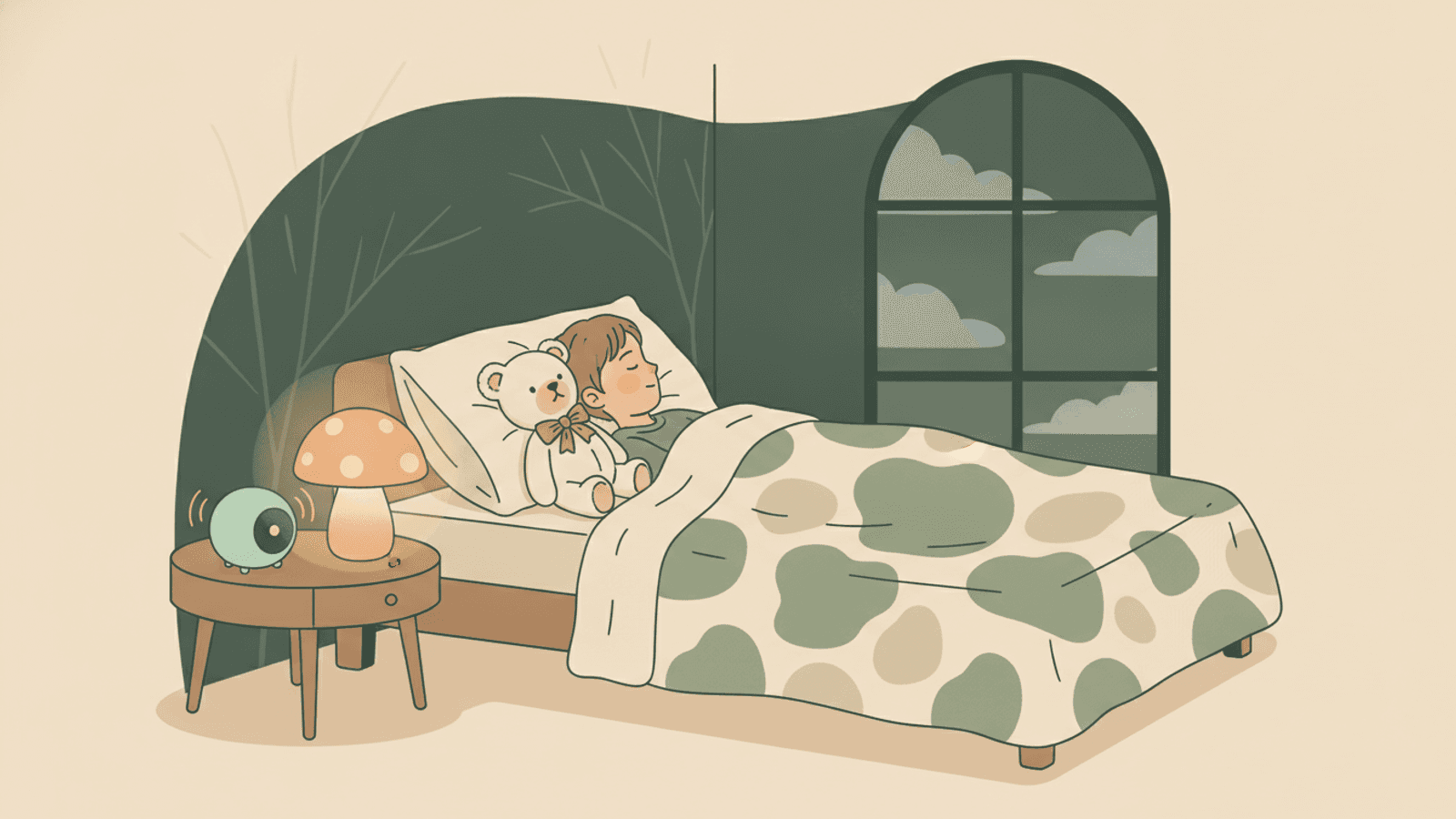
- Sleep and ADHD — why it is harder, and what actually helps.
Frequently asked questions
At what age should I tell my child they have ADHD?
As soon as they can hold the idea, which is usually around five or six, and straight away if they are older. Children almost always notice the difference before they are told, and the explanation they invent alone is usually harsher than the real one.
What if my child is upset when I tell them?
Some are, briefly, and that is a normal reaction rather than a sign you did it wrong. Stay calm, do not over-explain, and finish on what helps rather than on the label. Most of the processing happens over the following weeks in short questions, not in the first conversation.
Should I call ADHD a superpower?
It is better to name both sides. Superpower framing feels good in the moment but makes hard days confusing and can leave a child feeling they are failing at their own diagnosis. Real strengths plus real costs is more honest and holds up better over time.
Should we tell the school and other children?
Tell the school, because support depends on it. Beyond that, let your child decide as far as their age allows: whether friends know, who tells the coach, how much detail. Control over the story matters more to children than the story itself.
What if my child refuses to accept the diagnosis?
Do not argue about the word. Drop the label and keep the practical support in place, and revisit it in a few months. Rejection is usually about not wanting to be different rather than about the facts, and most children come back to it themselves.