Airplane Rest
In a cramped plane seat with engine noise, strangers close by and light that does not match the clock, settling into rest is hard. The pictures below give the body a few anchors to relax around.

Airplane rest
A blue airplane with sleep symbols and a sleeping cloud below it.
About this visual support
Resting in the air clashes with almost everything the body links to winding down. The seat tilts only a little, the engine drones without pause, a stranger sits elbow to elbow, and the cabin light can be bright in the middle of the night. Asking a child to sleep in that setting is asking for something the body does not recognise as sleep mode.
A visual support does not help by forcing sleep, but by building a small rest ritual that travels anywhere. The same steps as at home, pillow in place, dark hat or eye mask, headphones, give the body signals it trusts even though the room is strange. The familiar order outweighs the unfamiliar surroundings.
Bring one or two physical objects that match the pictures, an own blanket or a soft toy, since smell and touch often calm faster than words on a plane. When the child holds something homely, the engine noise is easier to shut out. Add the rest steps to the Routined app so they are ready the next time you travel.
Use this image in a schedule
Build your own visual schedule with this image and download it as a print-ready PDF. Completely free.

More similar visual supports

Airplane
A blue cartoon airplane flying to the right.

Airport
An airport with a control tower and terminal buildings with an airplane above.
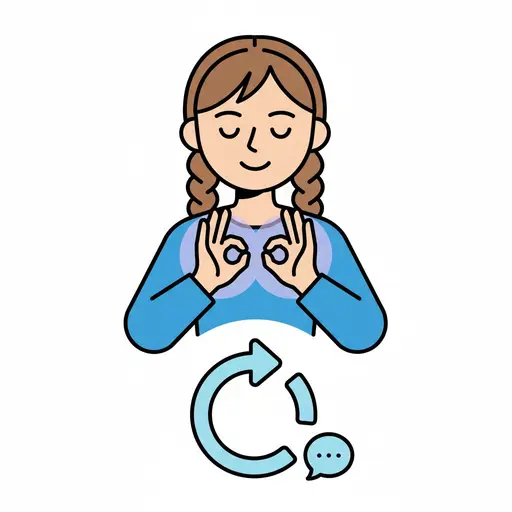
Quiet reset
A girl with closed eyes breathes calmly with her hands at her chest beside a res...
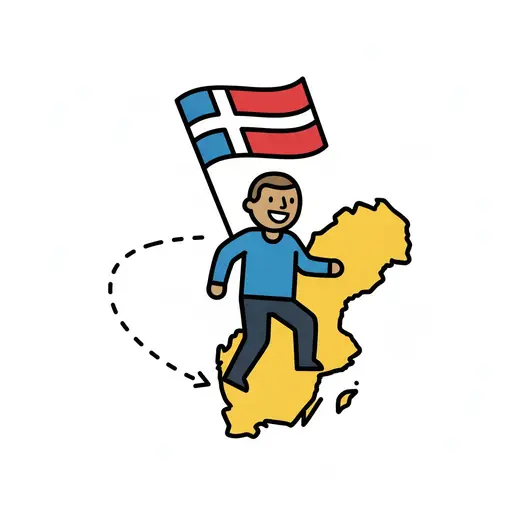
Arrive In Sweden
A smiling boy holds a flag and stands on a map of Sweden with a dashed travel li...
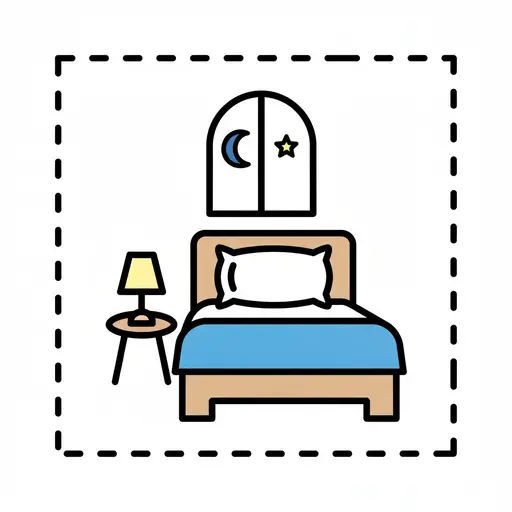
Bedroom
A bedroom scene with a made bed, a bedside table with a lamp, and a window showi...
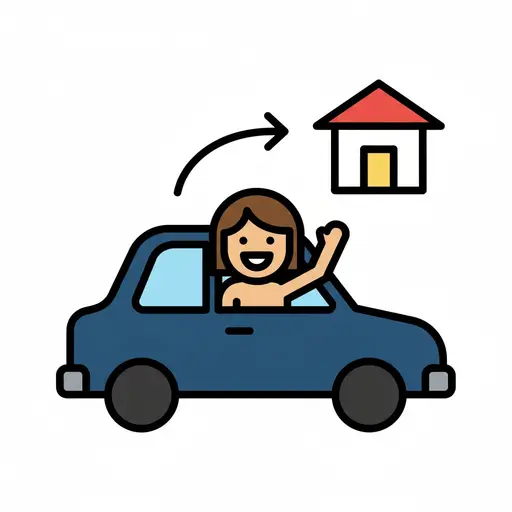
Car ride home
A girl waves from a car with an arrow pointing toward a house.
Go by Car
A red car with an arrow showing that it is about to drive off.
In Bed Quiet Time
A boy lies in a bed under a blue blanket with a thought bubble showing a moon an...
Take the visual supports with you
In Routined you build schedules from these pictures, add timers and voice instructions, and your child follows the day on their own.


* 14-day free trial included for new users.