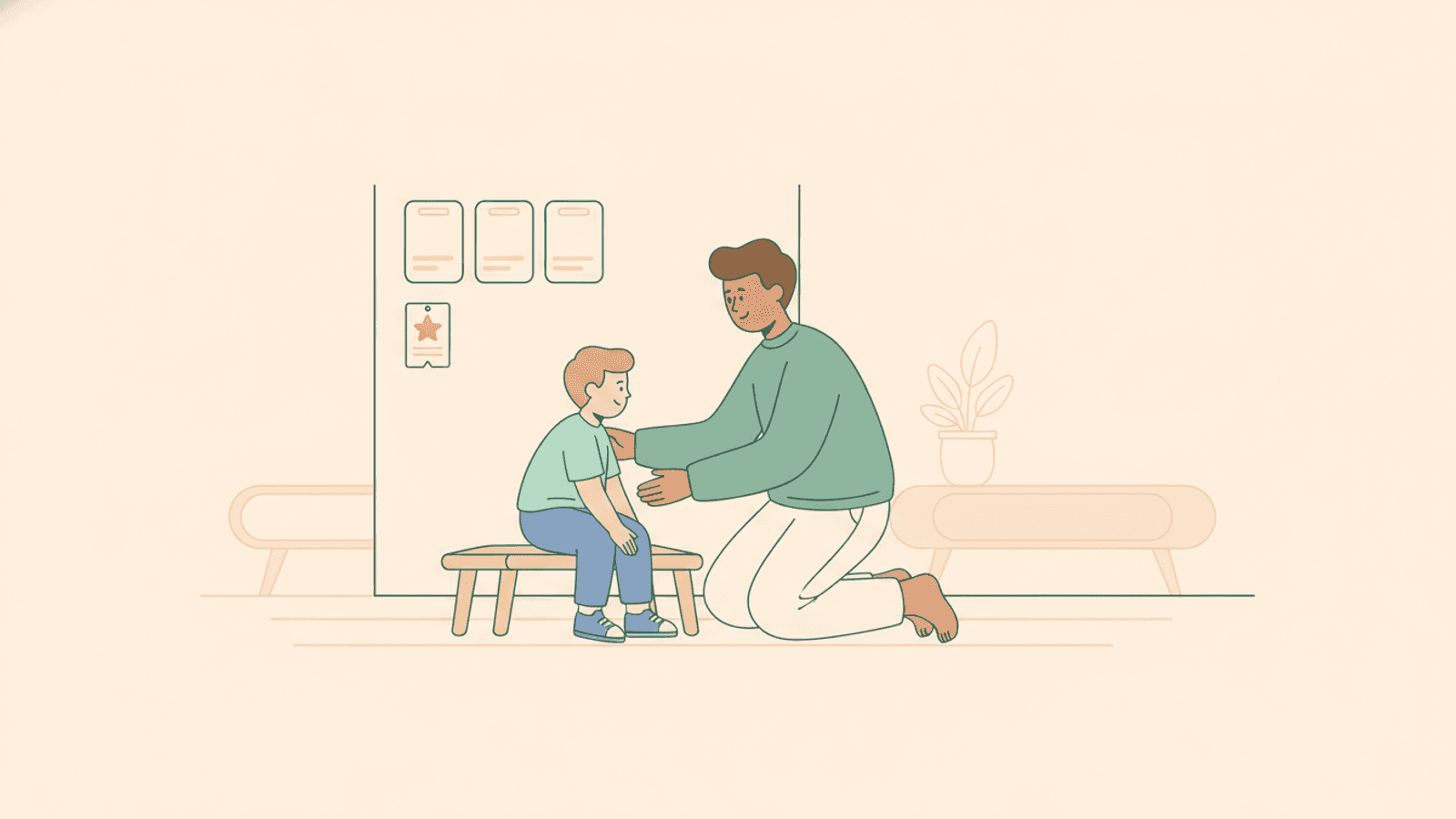
How to Stop Shouting at Your Child (and What to Do When You Already Have)
You promised yourself you would not do it again, and then Tuesday happened. Here is how to interrupt the pattern earlier, and how to repair it well.
Tips, advice, and insights for a simpler daily life with routines and visual supports.
You promised yourself you would not do it again, and then Tuesday happened. Here is how to interrupt the pattern earlier, and how to repair it well.
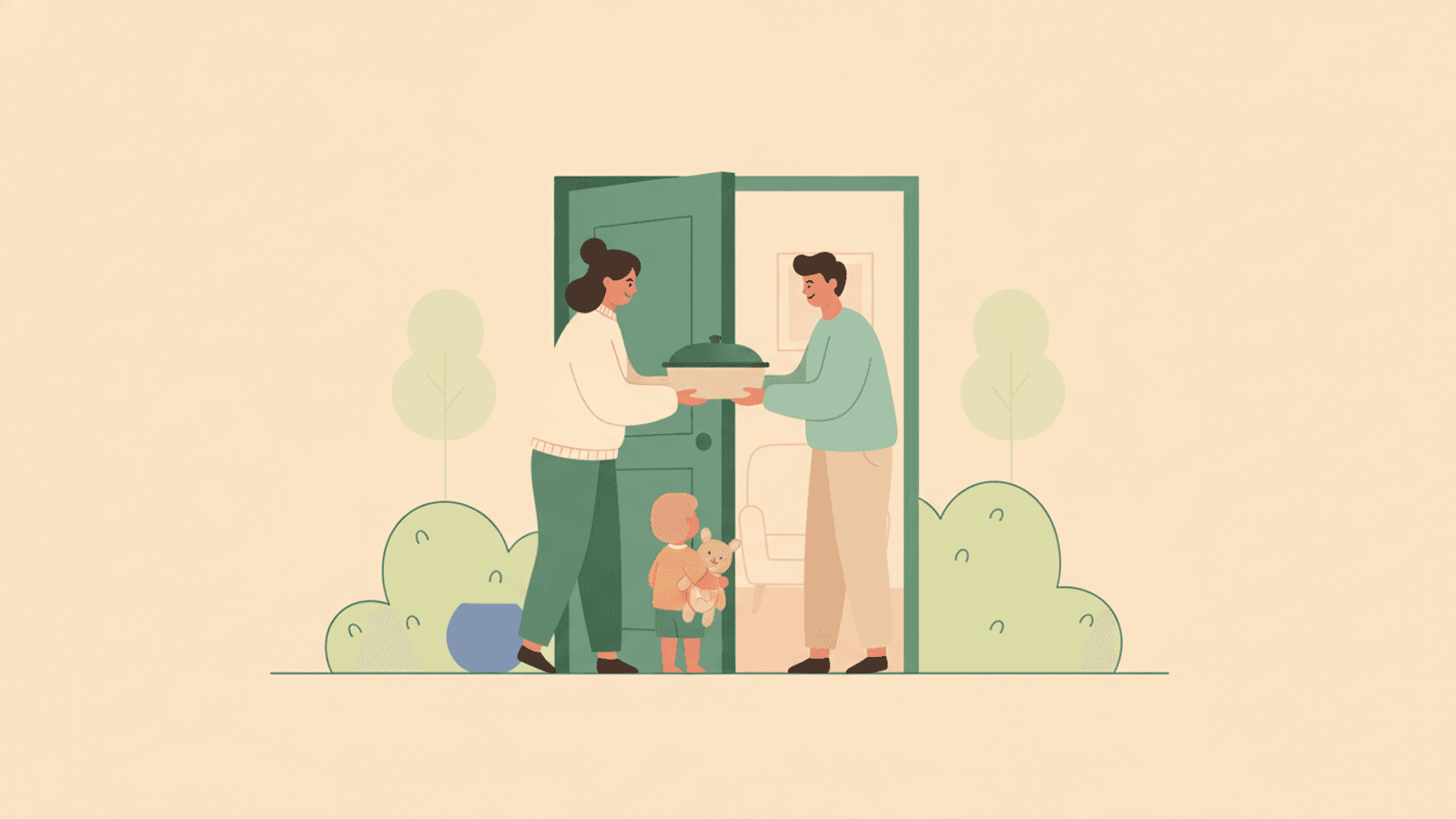
People say "let me know if I can help" and mean it. The problem is the ask, not their willingness. Here is how to make one that gets a yes.
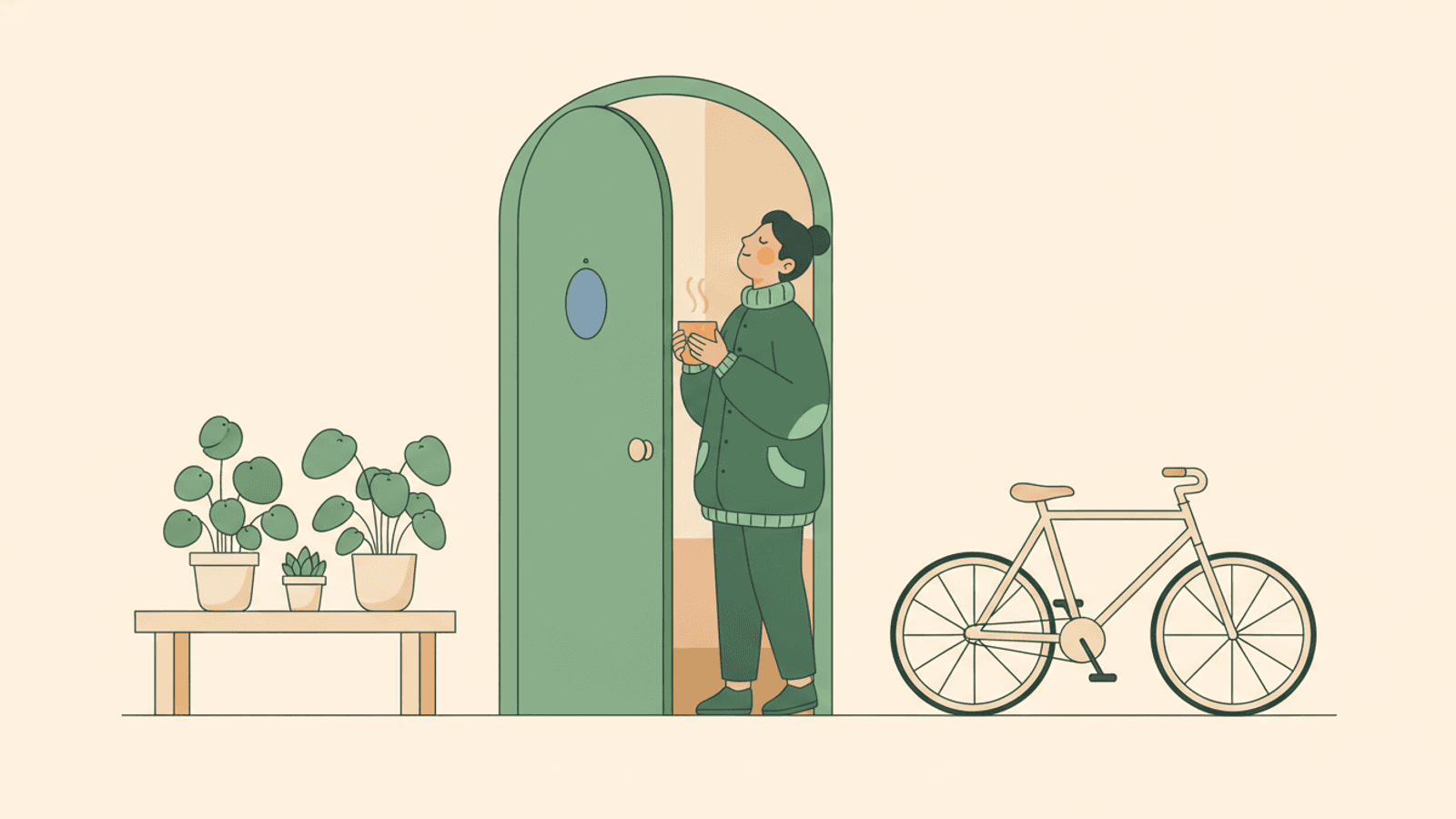
Take a long bath, book a weekend away. None of it fits a household like yours. Here is the smaller, more boring version that actually works.
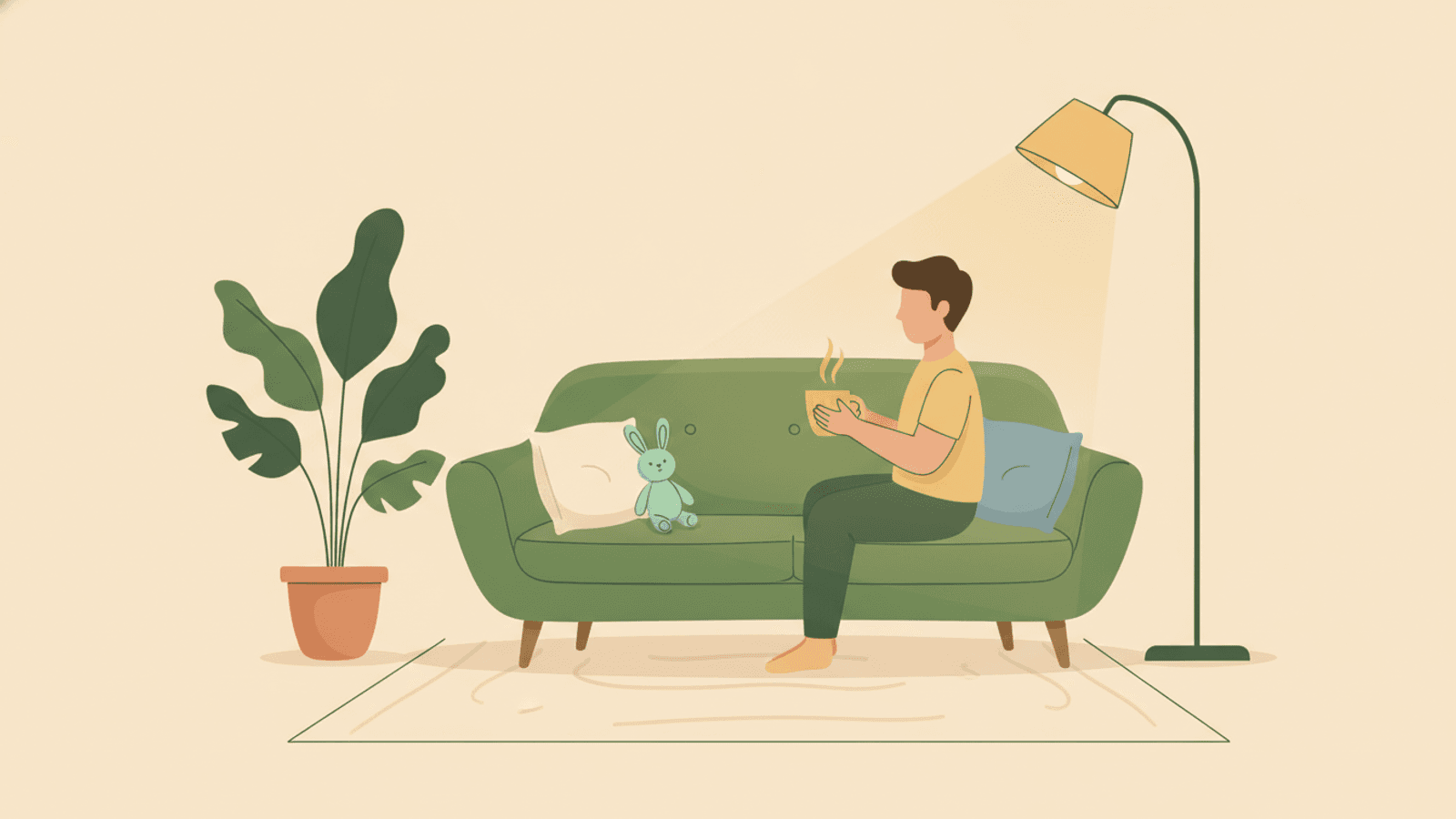
The nagging feeling that you are falling short is almost universal, and almost never accurate. Here is how to tell useful guilt from the useless kind.
One of you says yes, the other says no, and the child learns which parent to ask. Here is how two adults find common ground on rules and routines.
When a child is escalating, matching their intensity pours fuel on the fire. The low-arousal approach does the opposite, and it can change the whole day.
Parent burnout is chronic depletion, not a character flaw. Here is how it looks in families with ADHD or autism, the warning signs worth taking seriously, and what genuinely reduces the load.
In a blended family the hard part is not the schedule, it is that two homes have two sets of unwritten rules. One small shared routine can carry the child across the gap.
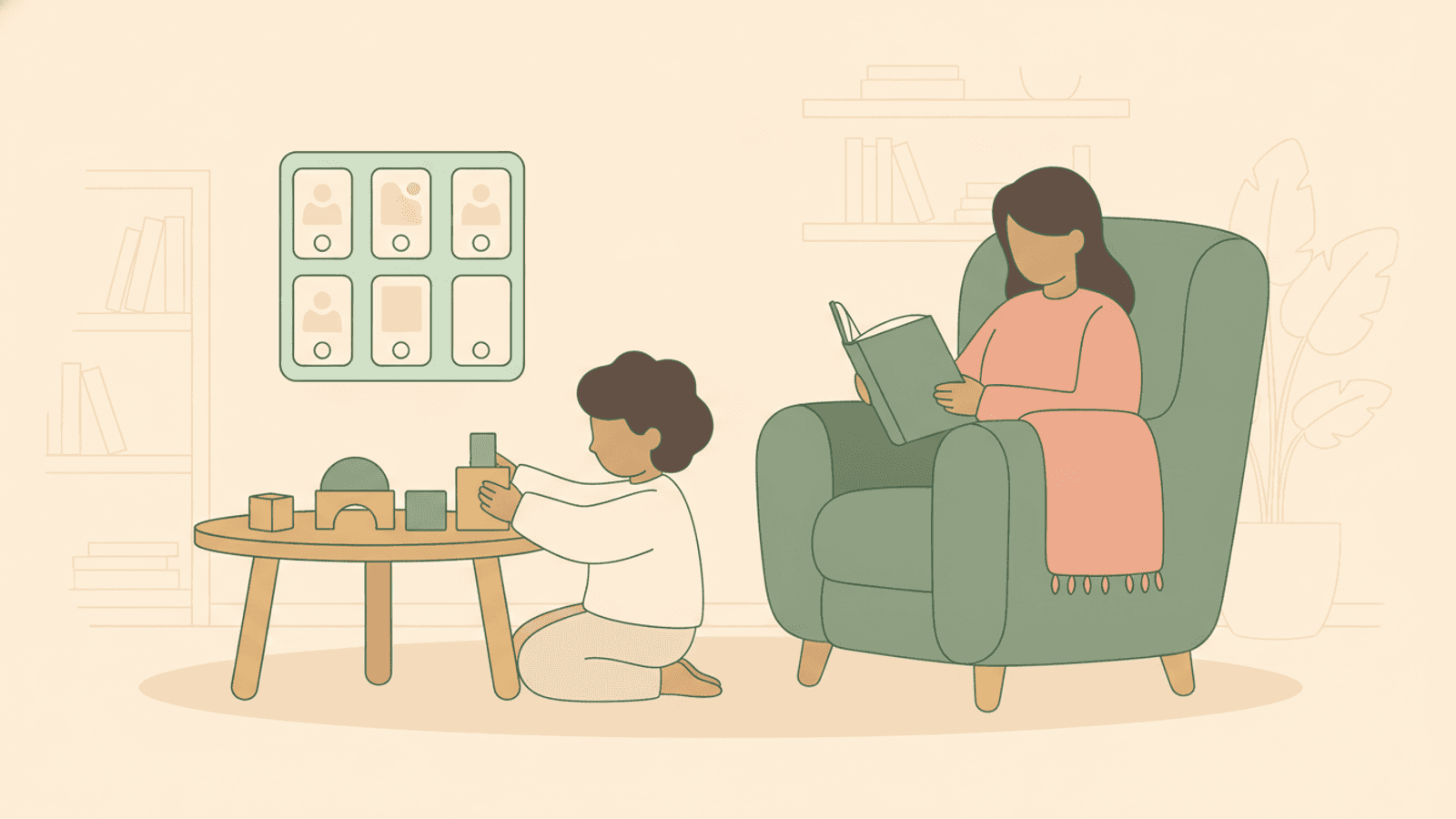
An only child has no sibling rhythm to copy, so structure has to be built on purpose. Here is how to design routines that hand ownership to the child instead of to you.
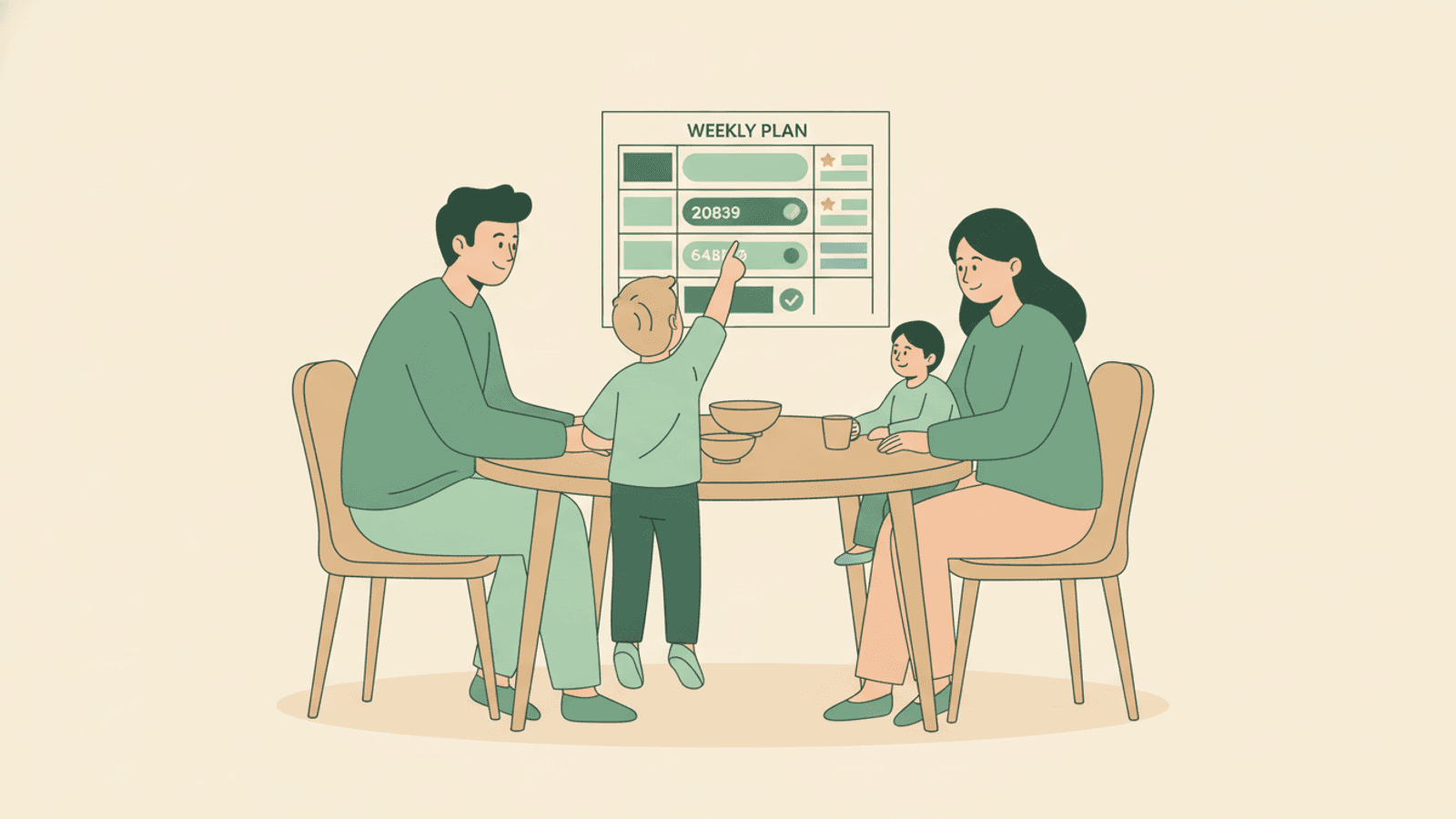
A family meeting only works if it stays short and predictable. Here is a four-point agenda that fits in 15 minutes, how to adapt it from age 4 to 14, and what to do when it turns into blaming.
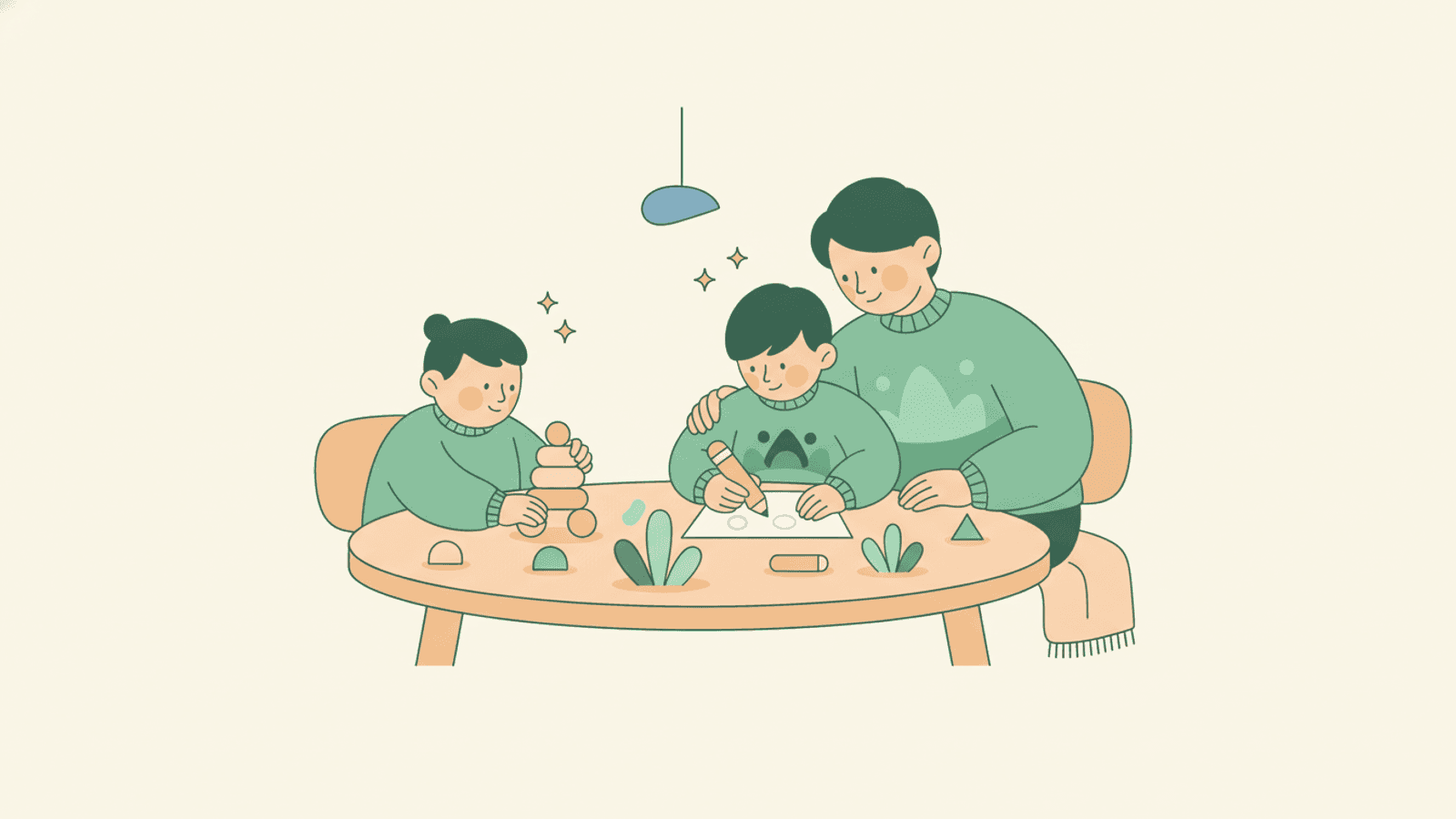
Fair does not mean identical. Learn why treating siblings as individuals, meeting different needs openly, and answering that's not fair with confidence builds a calmer, more secure family.

The brother or sister of a child with ADHD or autism can quietly feel overlooked. Here is how to notice the glass sibling, welcome their feelings, and know when to seek support.