The Blog

Tips, advice, and insights for a simpler daily life with routines and visual supports.

Latest posts

Setting Family Screen Time Rules That Everyone Can Follow
Everyday Life & Routines•

Setting Family Screen Time Rules That Everyone Can Follow

Blanket bans rarely last. Here is a calmer way to set family screen time rules together, model them yourself, and use visual reminders and timers to reduce the daily battles, especially for children with ADHD or autism.
Gaming and ADHD in Children: Why It Is So Compelling, and How to Keep It Balanced
Neurodiversity in Daily Life (ADHD & Autism)•

Gaming and ADHD in Children: Why It Is So Compelling, and How to Keep It Balanced

Games are almost perfectly designed for the ADHD brain, which is why stopping feels so hard. Here is why gaming is so compelling for children with ADHD, the genuine risks and upsides, and how to keep it balanced with clear limits and collaboration rather than banning.

Screen Time and Sleep: How Screens Affect Your Child at Night
Everyday Life & Routines•

Screen Time and Sleep: How Screens Affect Your Child at Night

Screens push bedtime later and make it harder to fall asleep. Here is how screen time affects children's sleep, and simple evening fixes that actually work.

Teaching Your Child to Follow Their Own Schedule
Everyday Life & Routines•

Teaching Your Child to Follow Their Own Schedule

A warm, practical guide to teaching your child to follow their own schedule, from visual plans they can read alone to ticking off their own steps and gradually handing over control.

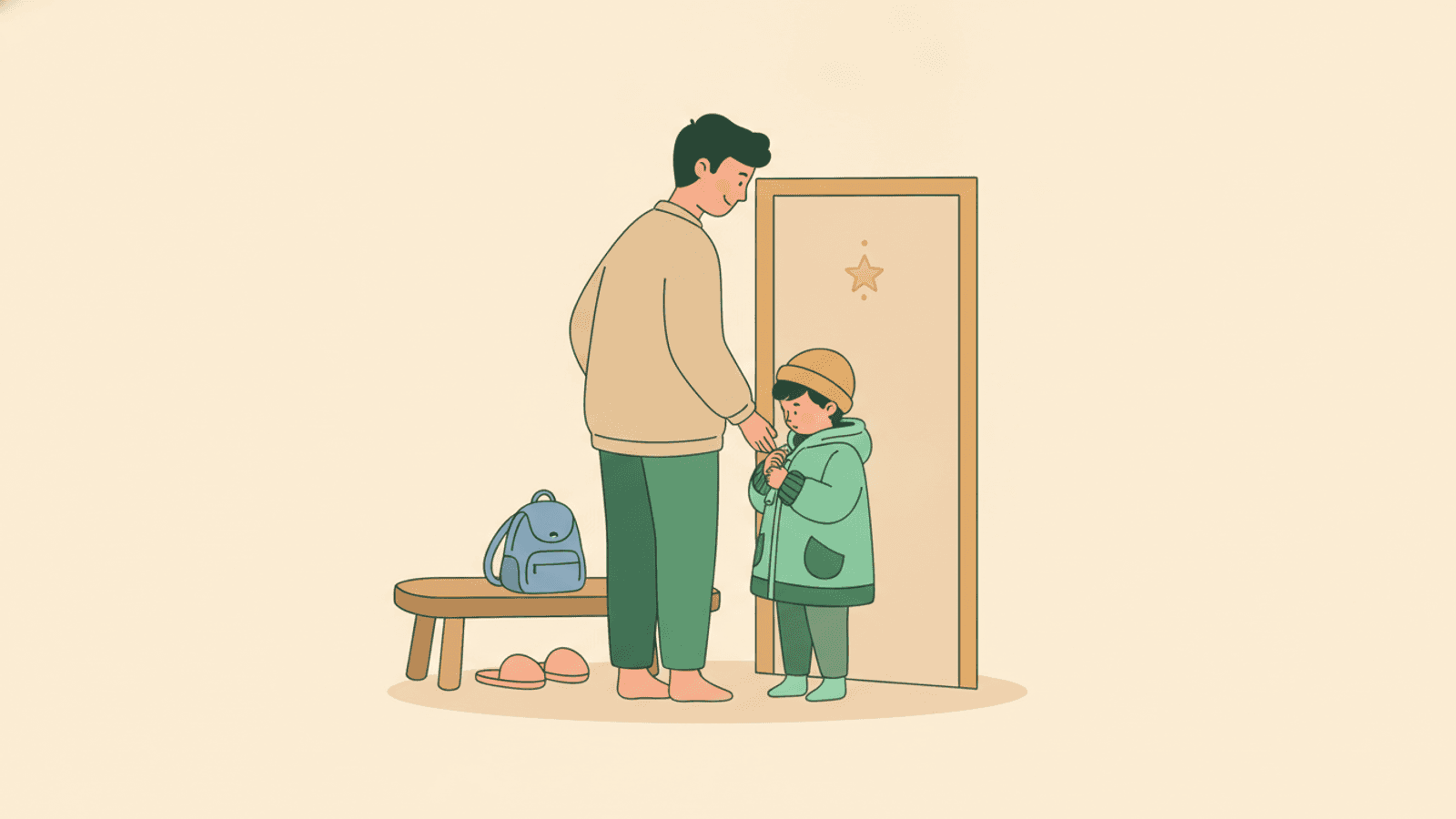
Letting Your Child Do Hard Things Themselves
Psychology & Parenting•

Letting Your Child Do Hard Things Themselves

Rescuing your child from every struggle feels loving, but stepping back is often what builds real competence. Here is how to let your child do hard things without leaving them stranded.

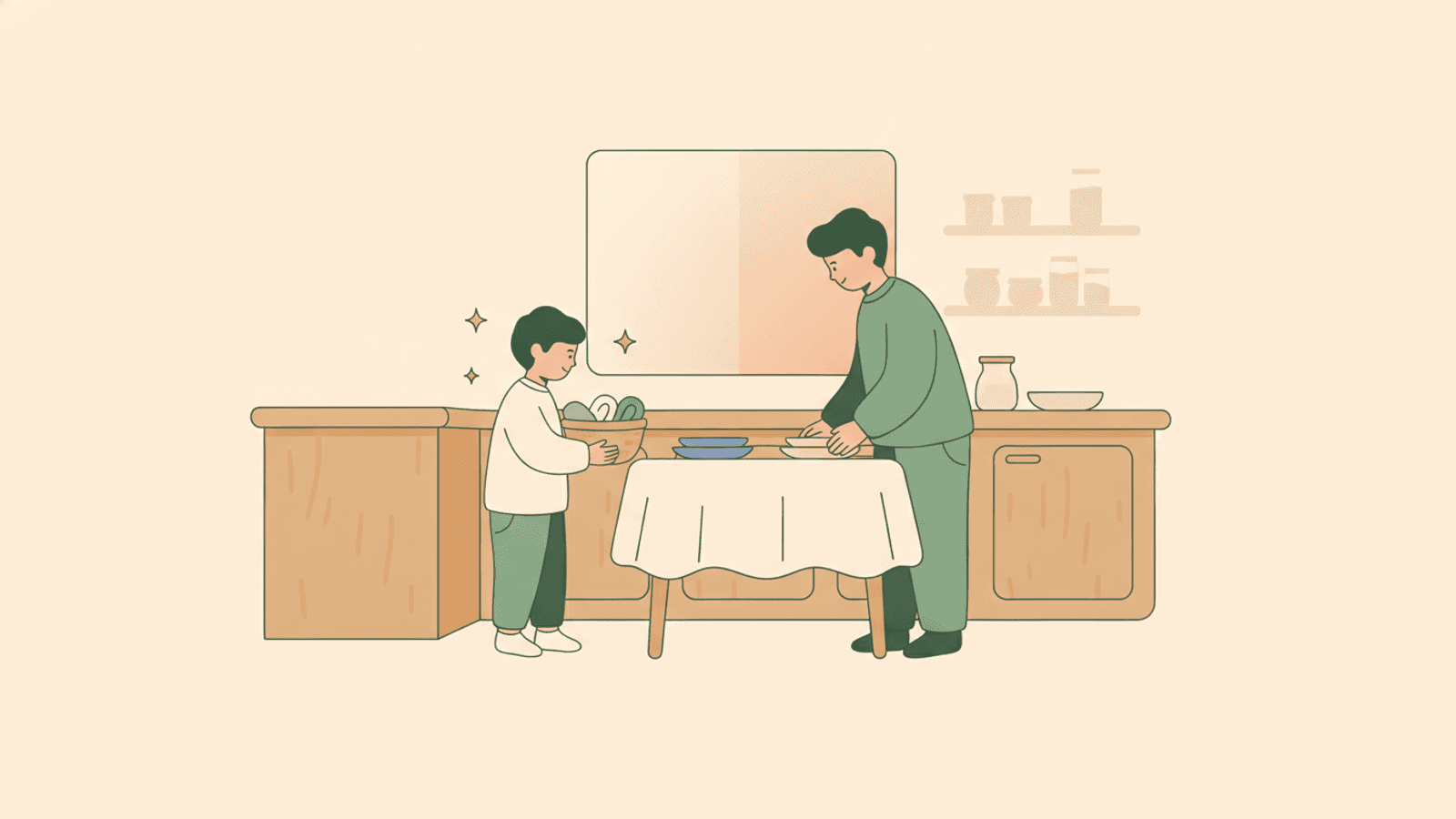
Responsibility and Household Roles: Raising a Child Who Helps
Everyday Life & Routines•

Responsibility and Household Roles: Raising a Child Who Helps

Why chores build confidence, which jobs suit which age, and how to make helping a calm, visible routine, including adjustments for children with ADHD or autism.
Teaching Your Child to Tell the Time: A Step-by-Step Guide
School & Extracurriculars•

Teaching Your Child to Tell the Time: A Step-by-Step Guide

A warm, practical guide to teaching your child to tell the time, from whole hours to minutes, plus why visual timers often help children with ADHD more than clocks.

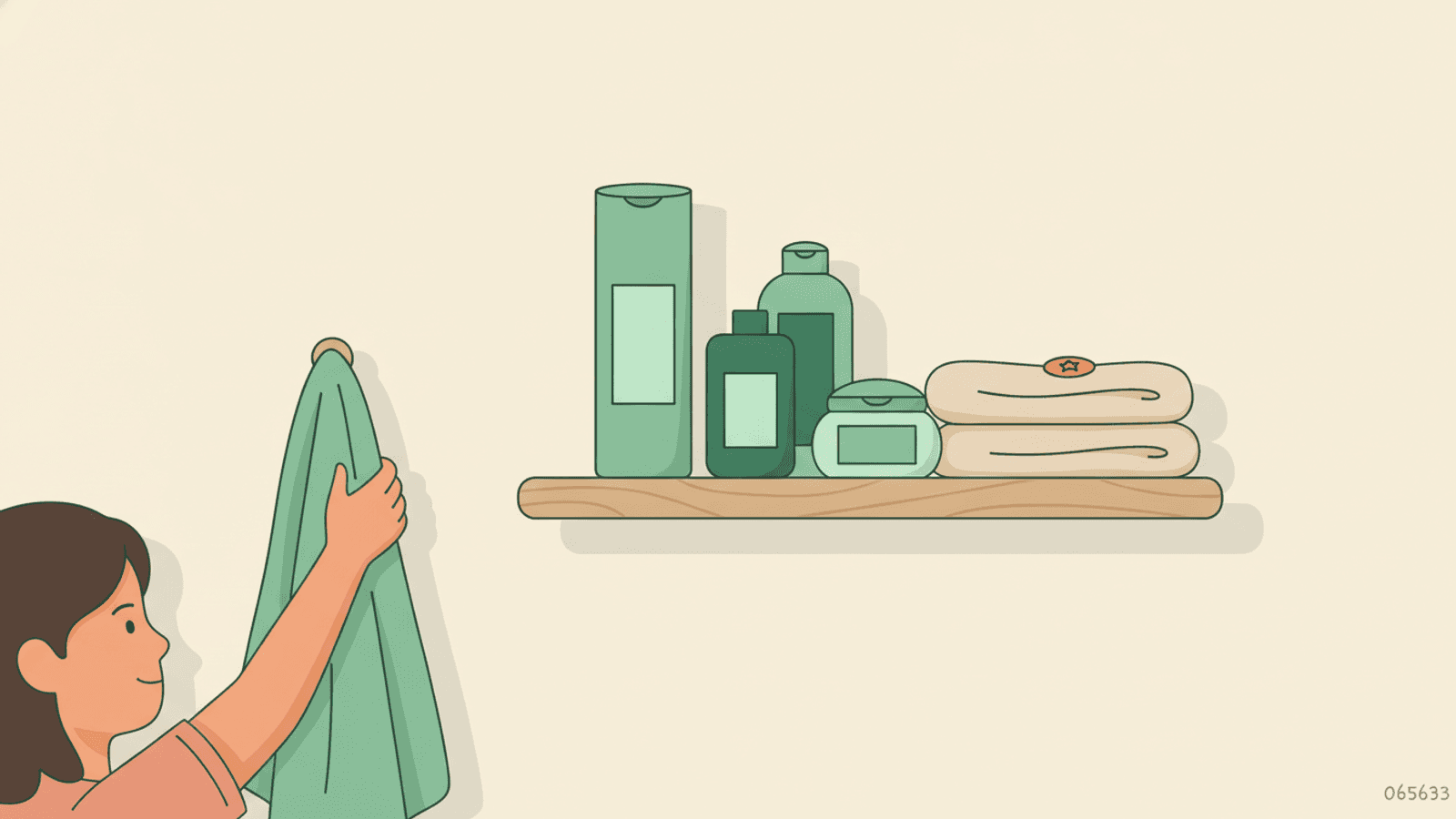
Hygiene for Tweens: Building Routines as Bodies Change
Everyday Life & Routines•

Hygiene for Tweens: Building Routines as Bodies Change

As tween bodies change, hygiene can turn into a daily battle. Here is how to build a calm, shame-free routine that gives your child ownership, privacy and the reminders they need.

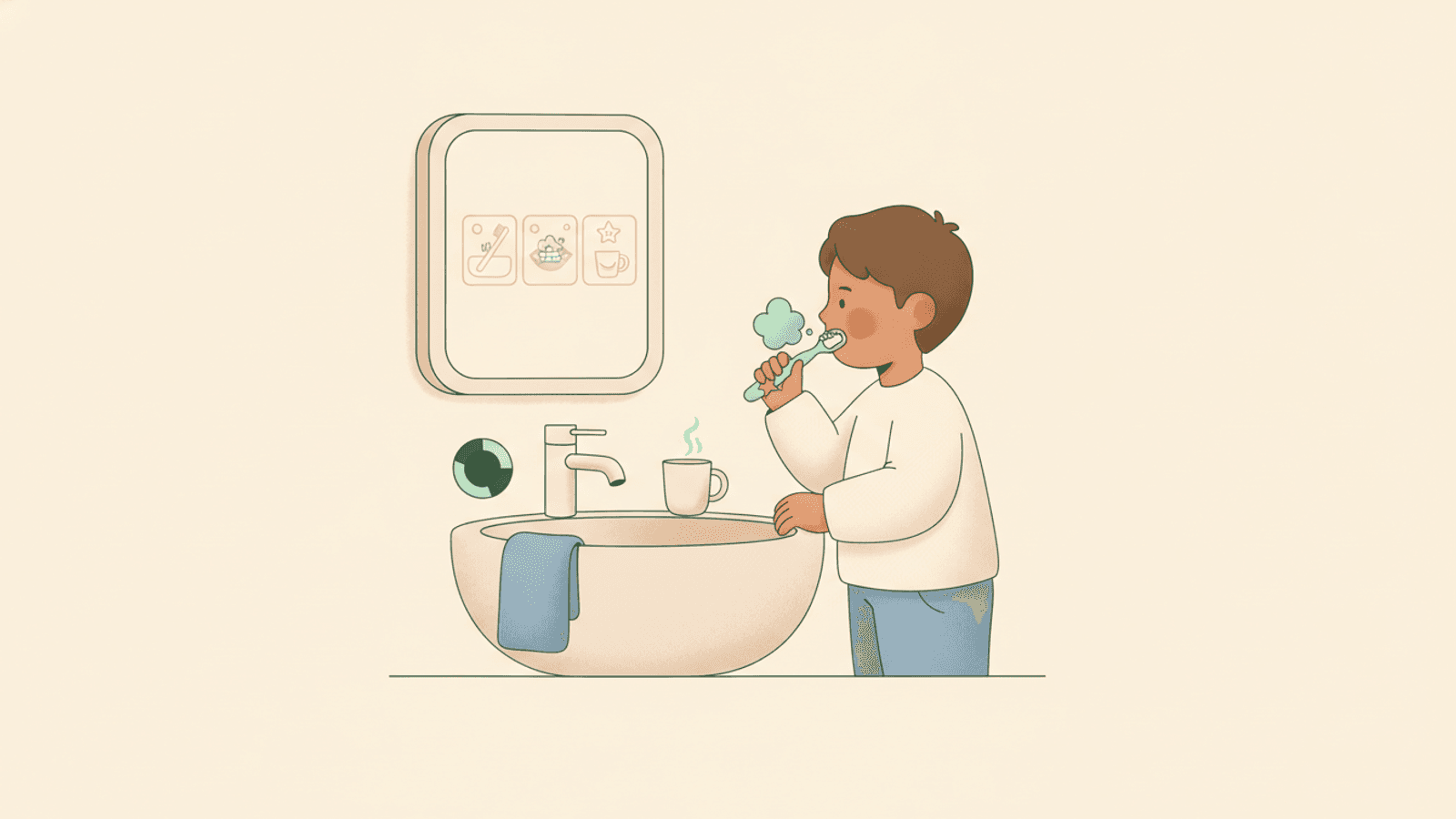
Brushing Teeth the Right Way, by Age: Technique That Actually Cleans
Everyday Life & Routines•

Brushing Teeth the Right Way, by Age: Technique That Actually Cleans

Knowing how to brush kids' teeth properly matters as much as remembering to do it. Here is the technique that actually cleans, a simple by-age guide, and calm ways to make two minutes bearable.

Teaching Your Child to Tie Their Shoes Without the Frustration
Everyday Life & Routines•

Teaching Your Child to Tie Their Shoes Without the Frustration

Tying laces is not one skill but a chain of little ones. Break it into steps, practise off the foot in calm moments, and use two-colour laces to take the frustration out of teaching your child to tie their shoes.

Potty Training Step by Step: A Calm, Practical Guide
Everyday Life & Routines•

Potty Training Step by Step: A Calm, Practical Guide

A warm, low-pressure guide to potty training step by step, from spotting the signs of readiness to handling accidents without shame and adding gentle visual support.

Natural Consequences vs Punishment: A Calmer Way to Guide Behaviour
Psychology & Parenting•

Natural Consequences vs Punishment: A Calmer Way to Guide Behaviour

Natural consequences let the outcome do the teaching, so your child links action to result without fear or nagging. Here is how they differ from punishment, when to use a logical consequence instead, and how to stay calm.