Mood check – Track Your Child's Wellbeing Through Daily Routines
How is your child really feeling before the evening routine starts? And how do they feel afterwards? With Humörkoll in Routined, you get answers – without having to ask.
Tips, advice, and insights for a simpler daily life with routines and visual supports.

How is your child really feeling before the evening routine starts? And how do they feel afterwards? With Humörkoll in Routined, you get answers – without having to ask.

Screen time battles are one of the most common sources of conflict in families today. The moment you say "time to turn off the iPad," a meltdown begins. But what if the app itself told your child when it was time — not you? By building screen time into a visual routine, you replace the power struggle with predictability.

Many parents describe everyday life as a constant mental puzzle: remembering schedules, giving reminders, staying one step ahead, and anticipating emotional reactions. For parents of children with ADHD or autism, this is often even more pronounced. But what actually happens when a parent unintentionally becomes the project manager of a child’s entire day – and how can we step out of that role without losing structure?

Getting children to pick up toys or brush their teeth without nagging can feel like an impossible task. The key is positive reinforcement. We guide you on how to build a sustainable reward system that boosts self-esteem.

The daily juggle of school, homework, and extracurricular activities can quickly become overwhelming for both children and parents. Constant questions like "When is my practice?" or "When is my homework due?" often lead to nagging and unnecessary stress. By giving your child the right tools to visualize their time, you can transform chaos into control.

Many parents of children with neurodiversity (NDD) struggle to get daily tasks done, even when the child has a clear schedule. The difference between knowing what to do and actually having the energy to start the task often comes down to motivation.

For many children with neurodevelopmental disorders (NDD) such as ADHD or autism, everyday life can feel like a puzzle with a thousand pieces. Verbal instructions easily get lost in the noise, transitions create anxiety, and the ability to self-organize is a constant challenge. This is where visual supports come in as a lifesaver—a concrete tool that creates clarity, predictability, and thus, security.

Bedtime is often one of the most challenging parts of the day. The body is tired, but the brain is racing. By creating a predictable evening routine, you help your child wind down, which not only leads to better sleep but also a much smoother morning.

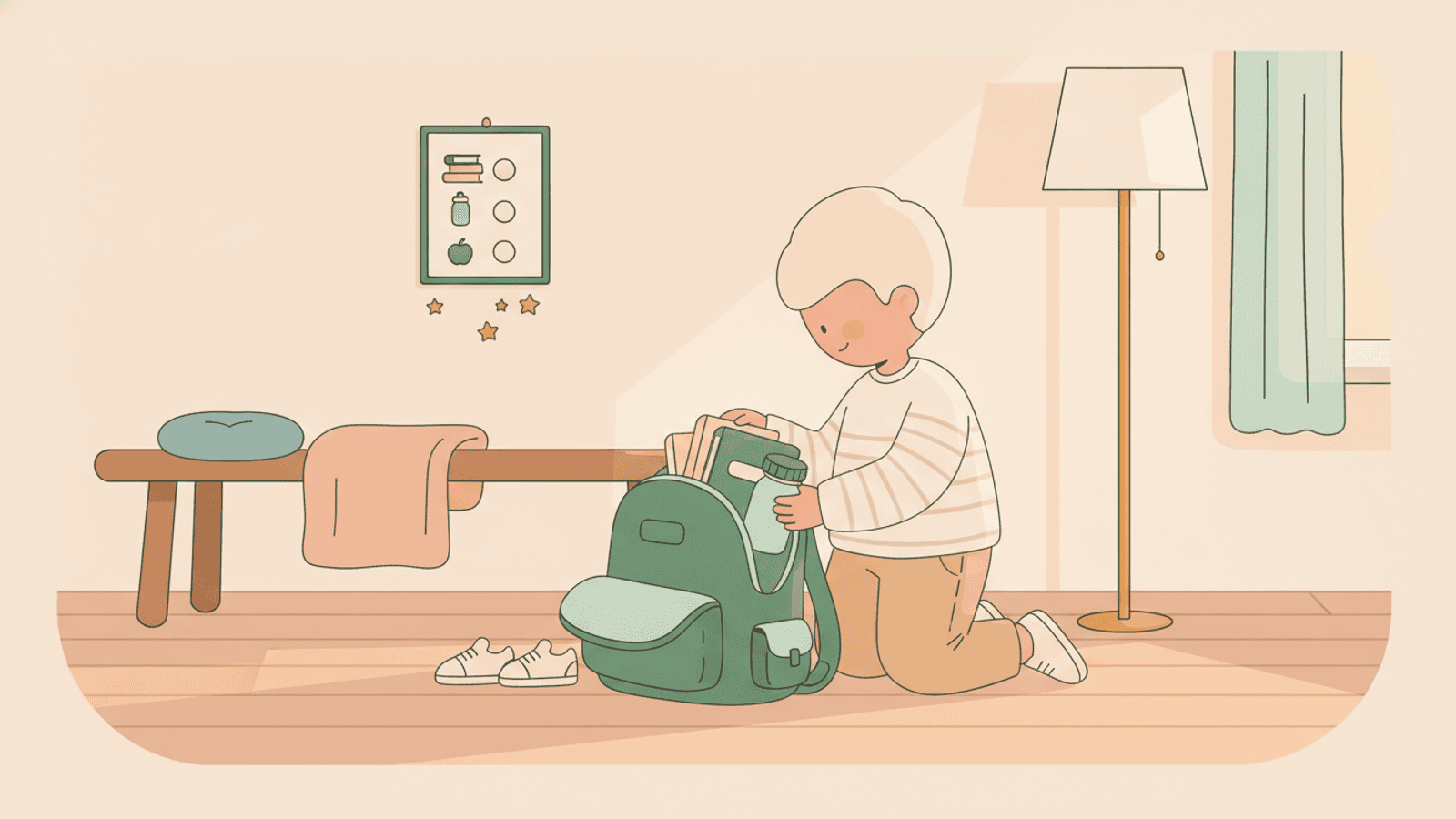
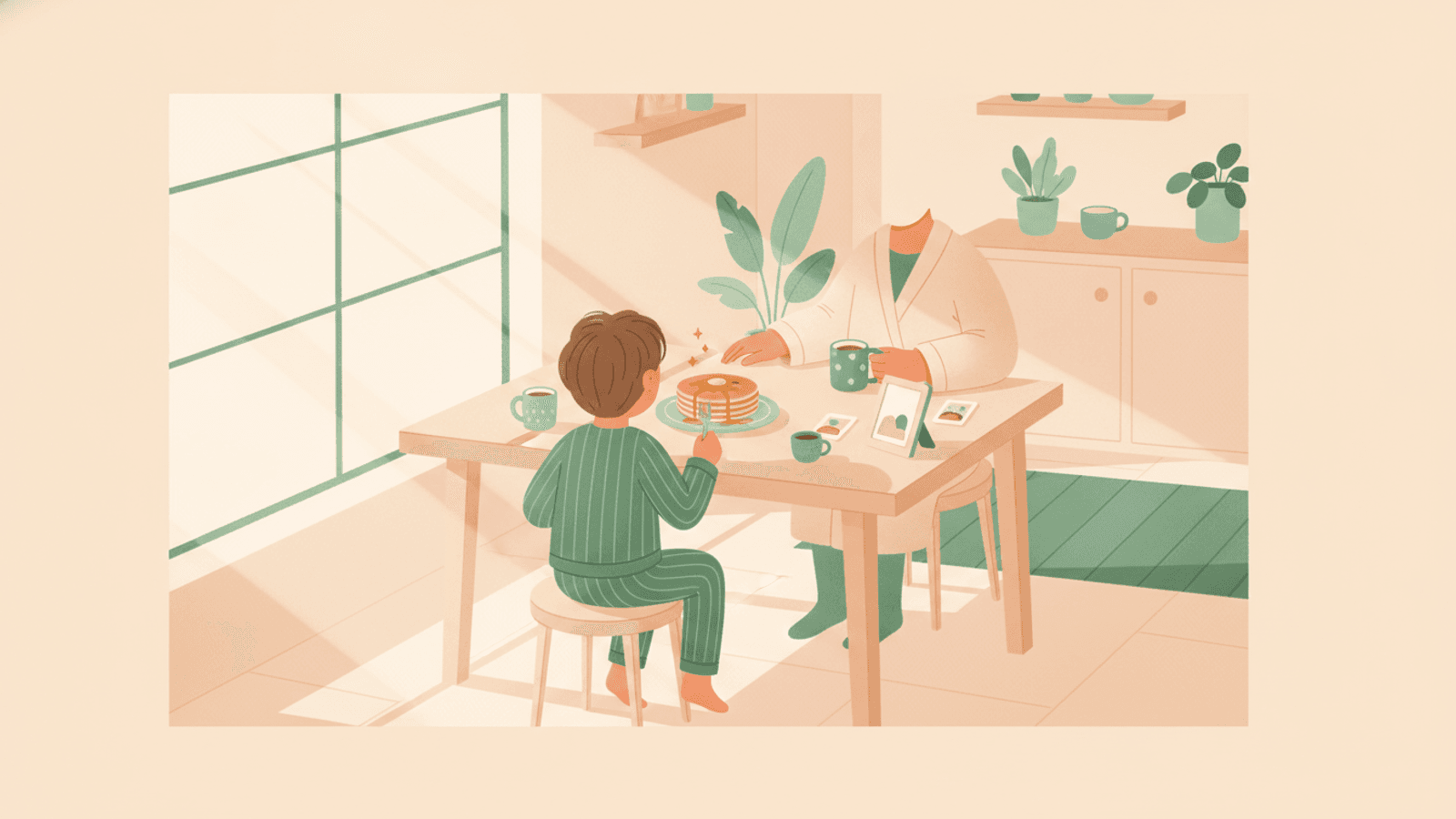
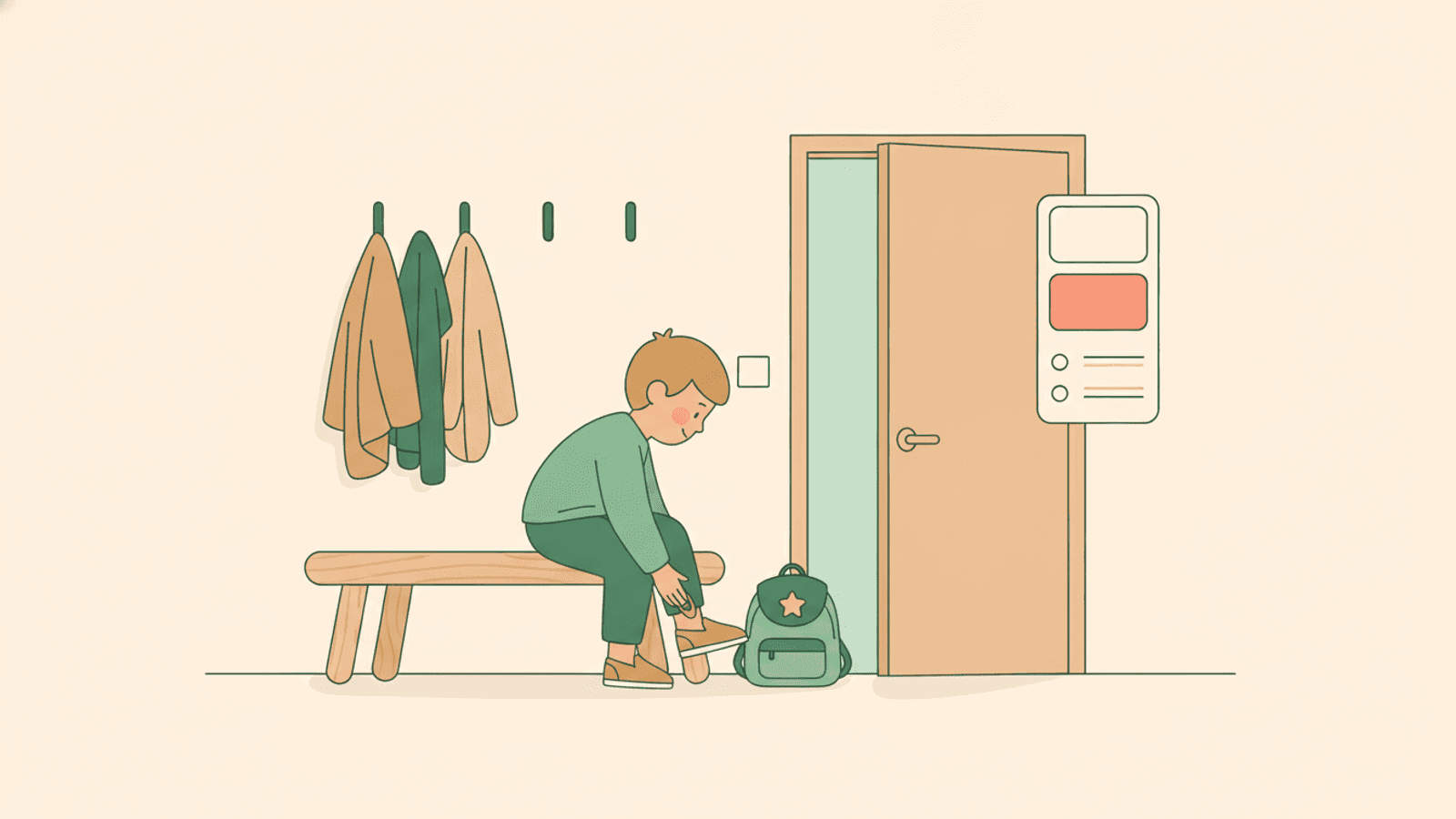
Does this sound familiar? You’ve asked about the socks five times, breakfast is sitting untouched, and the clock is ticking relentlessly toward school drop-off. For many families, mornings are a race against time filled with nagging and conflict. But it doesn’t have to be that way. By working with your child’s brain instead of against it, you can create a morning that runs on autopilot.