The Blog

Tips, advice, and insights for a simpler daily life with routines and visual supports.

Latest posts

A Sensory Diet at Home: Helping Your Child Stay Regulated
Neurodiversity in Daily Life (ADHD & Autism)•

A Sensory Diet at Home: Helping Your Child Stay Regulated

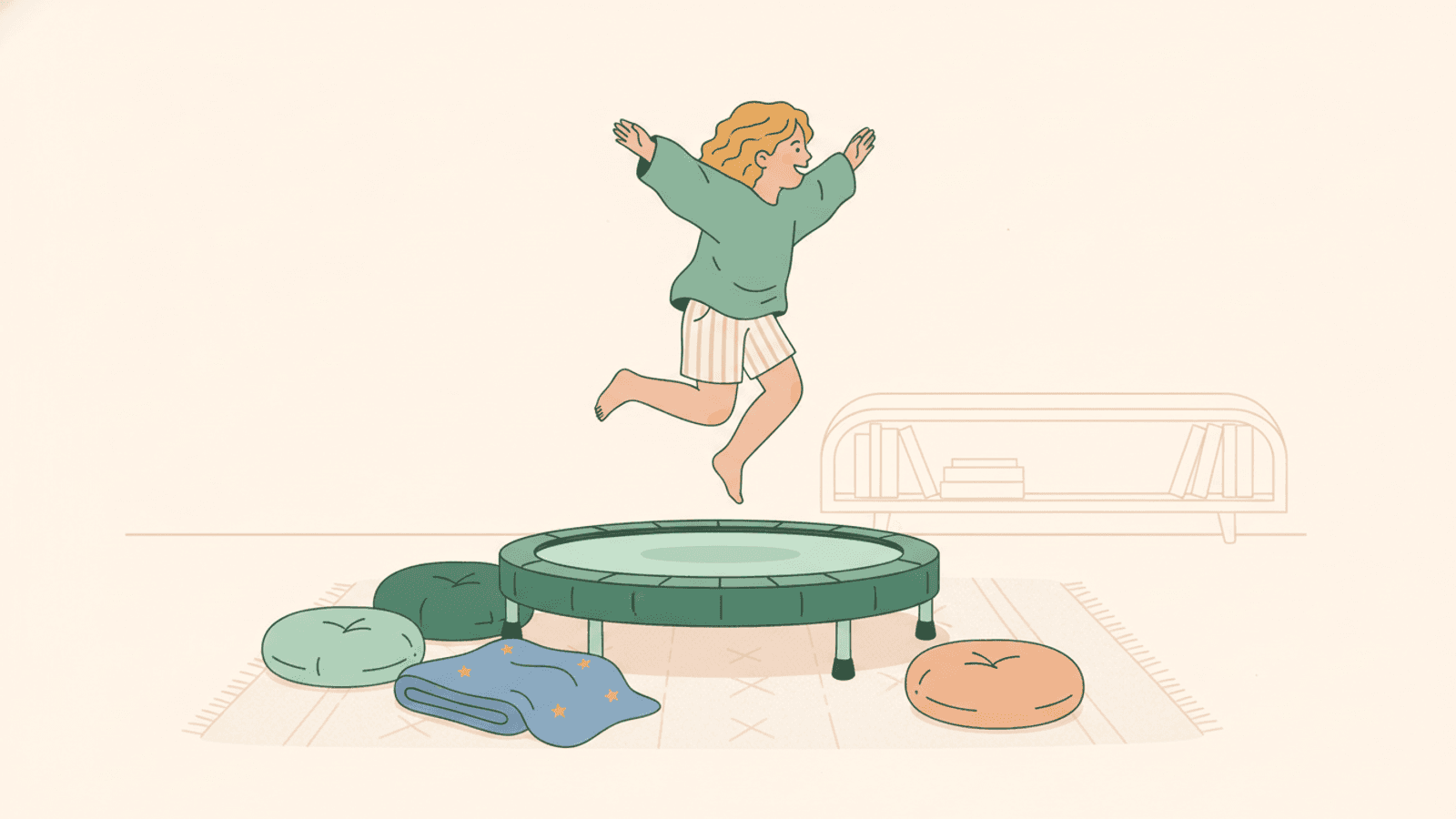
Some children climb the walls and crash into everything; others cover their ears and shrink from mess. Both are chasing the right amount of sensory input. A “sensory diet” — a planned menu of sensory activities through the day — can keep a child calm and regulated.
Building Your Child's Emotional Vocabulary: Putting Words to Feelings
Psychology & Parenting•

Building Your Child's Emotional Vocabulary: Putting Words to Feelings

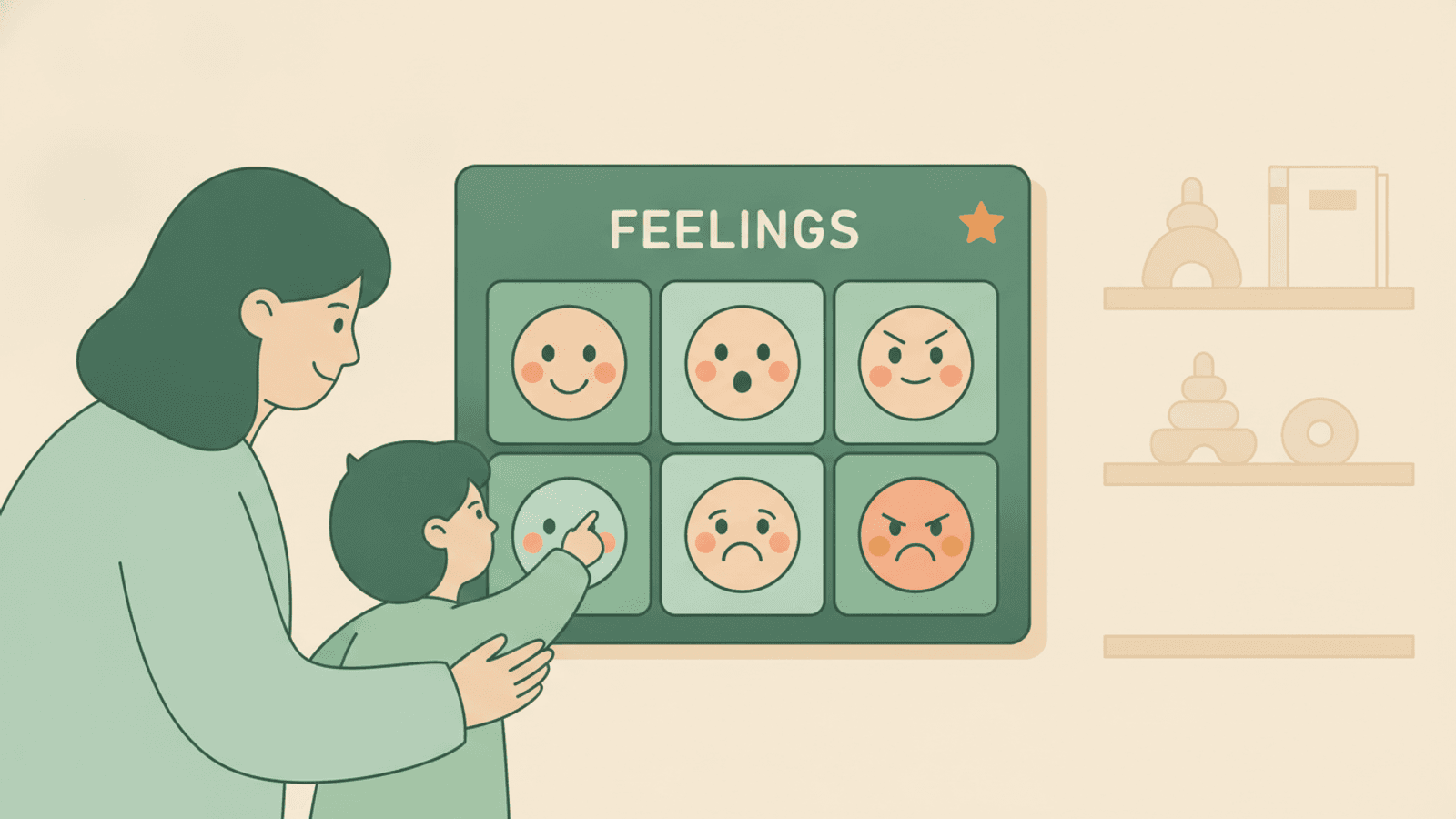
A child who can say “I’m frustrated” is doing something powerful — turning a storm into words. Emotional vocabulary underpins everything from self-regulation to friendships, and it is one of the most useful things you can teach. Here is how to build it.

Perfectionism in Children: When "Not Perfect" Feels Like Failure
Psychology & Parenting•

Perfectionism in Children: When "Not Perfect" Feels Like Failure

A child who crumples a drawing over one wrong line, who will not try unless they are sure they will win, who calls themselves stupid over a small mistake — perfectionism can be heartbreaking to watch. It is not about high standards; it is usually fear.

Transitions and Forewarnings: The Five-Minute Habit That Prevents Meltdowns
Psychology & Parenting•

Transitions and Forewarnings: The Five-Minute Habit That Prevents Meltdowns

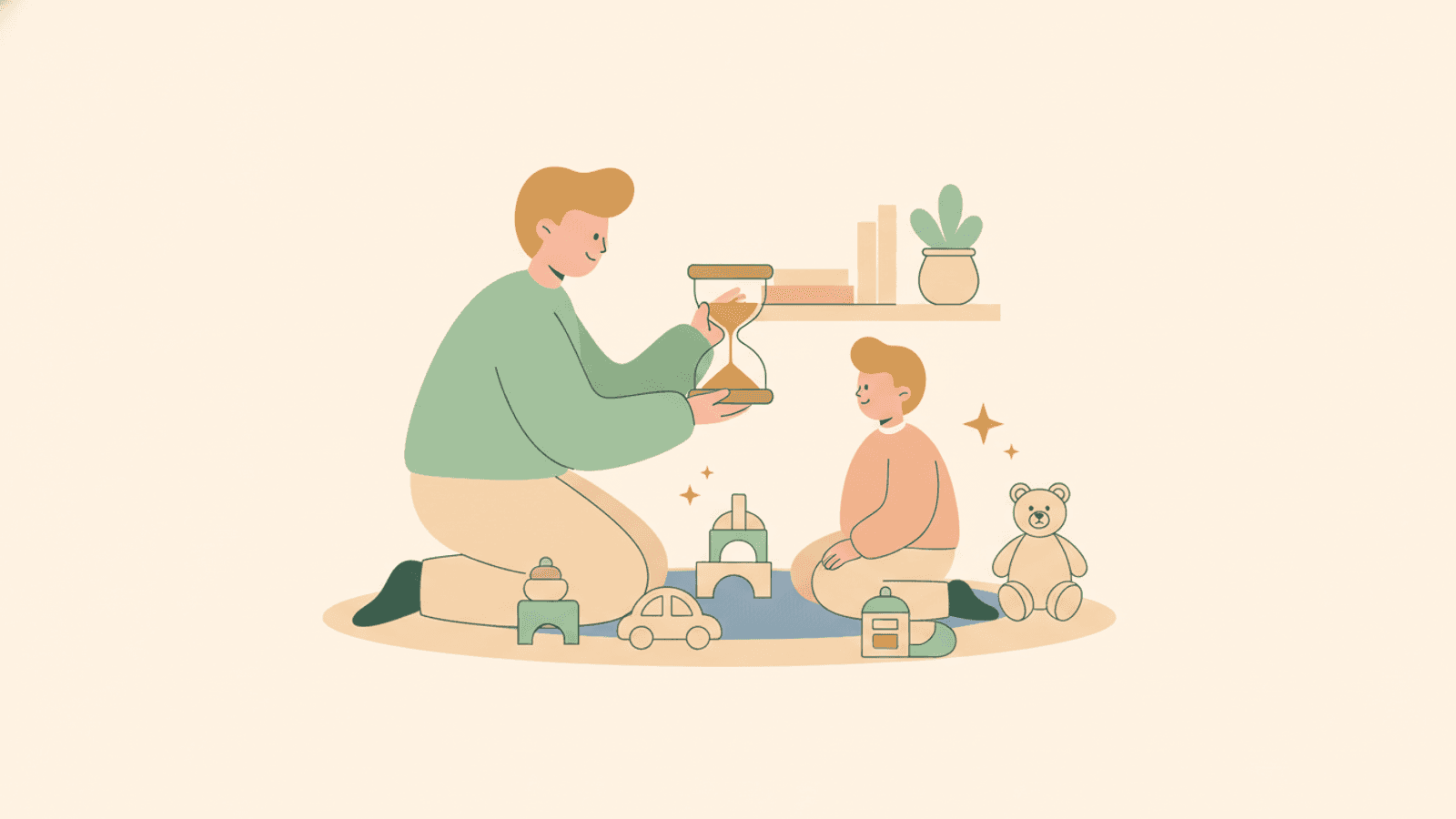
“Time to go!” “Turn it off now!” — and the meltdown begins. Transitions, the moments between one activity and the next, are one of the most common flashpoints in family life. A few simple habits, led by the humble forewarning, make them dramatically smoother.

Whining: Why Children Do It and How to Respond
Psychology & Parenting•

Whining: Why Children Do It and How to Respond

Few sounds fray a parent faster than a whine — it can feel designed to. But whining is communication: usually a child telling you a need is not met, in the only way they have right now. Here is how to respond so it works less and fades faster.

Why Children Lie — and What Actually Helps
Psychology & Parenting•

Why Children Lie — and What Actually Helps

Catching your child in a lie can feel alarming — is this a character problem? Almost always, no. Lying is a normal part of development, and how we respond decides whether it fades or grows. Here is why children lie and what helps.

A Toolkit for Emotion Regulation: Helping Kids Handle Big Feelings
Psychology & Parenting•

A Toolkit for Emotion Regulation: Helping Kids Handle Big Feelings

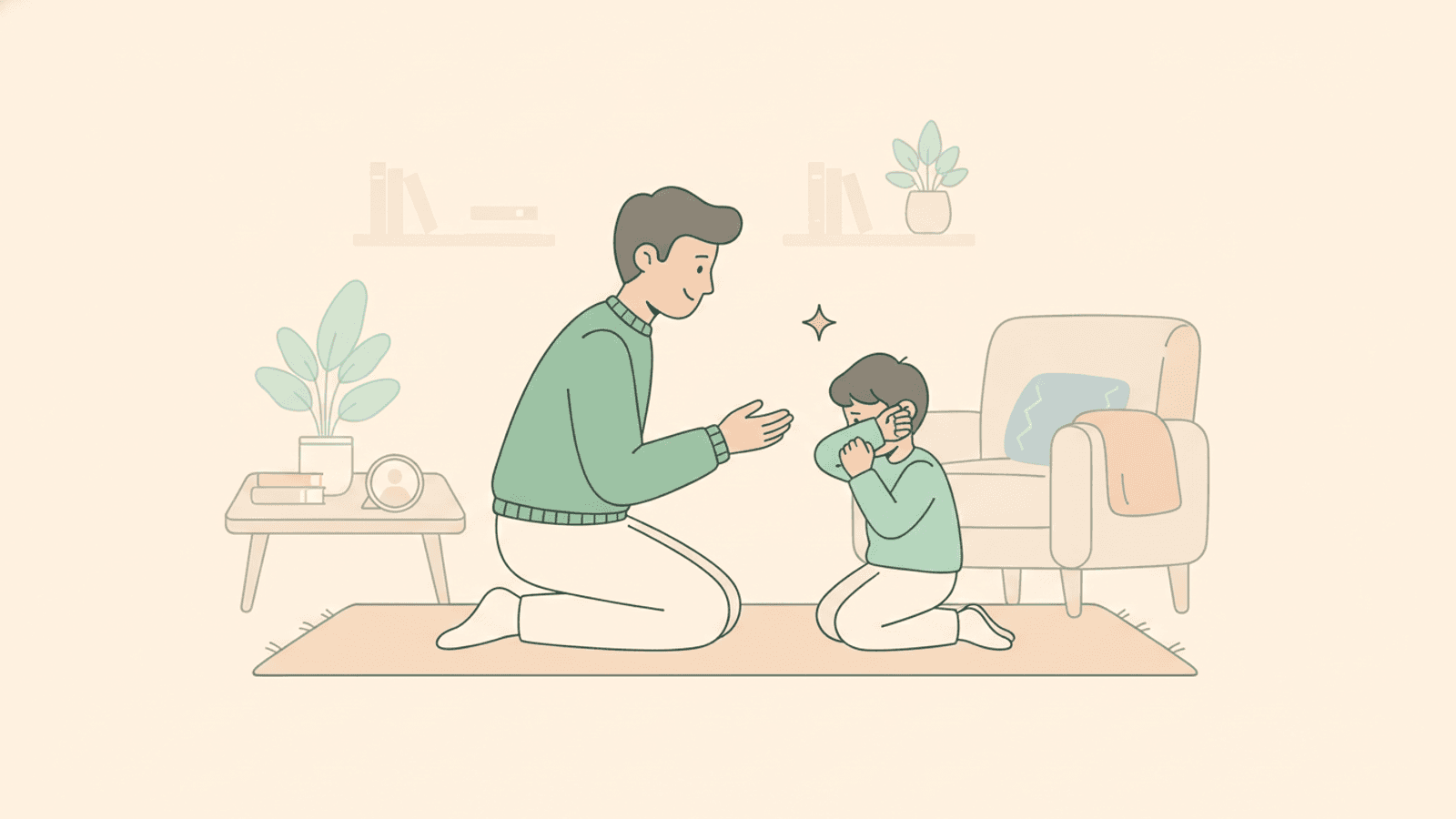
“Use your words.” “Just calm down.” We say these things, but emotion regulation is not something children simply have — it is a skill, built slowly, with our help. Here is a practical toolkit of what actually helps.

Worry and Anxiety in Children: What Helps (and What Quietly Makes It Worse)
Psychology & Parenting•

Worry and Anxiety in Children: What Helps (and What Quietly Makes It Worse)

Worries are part of childhood — the dark, dogs, school, being away from you. For most children they come and go. But anxiety can grow when we handle it in the well-meaning ways that accidentally feed it. Here is what actually helps.

Helping Your Child Manage Anger: From Big Feelings to Calmer Responses
Psychology & Parenting•

Helping Your Child Manage Anger: From Big Feelings to Calmer Responses

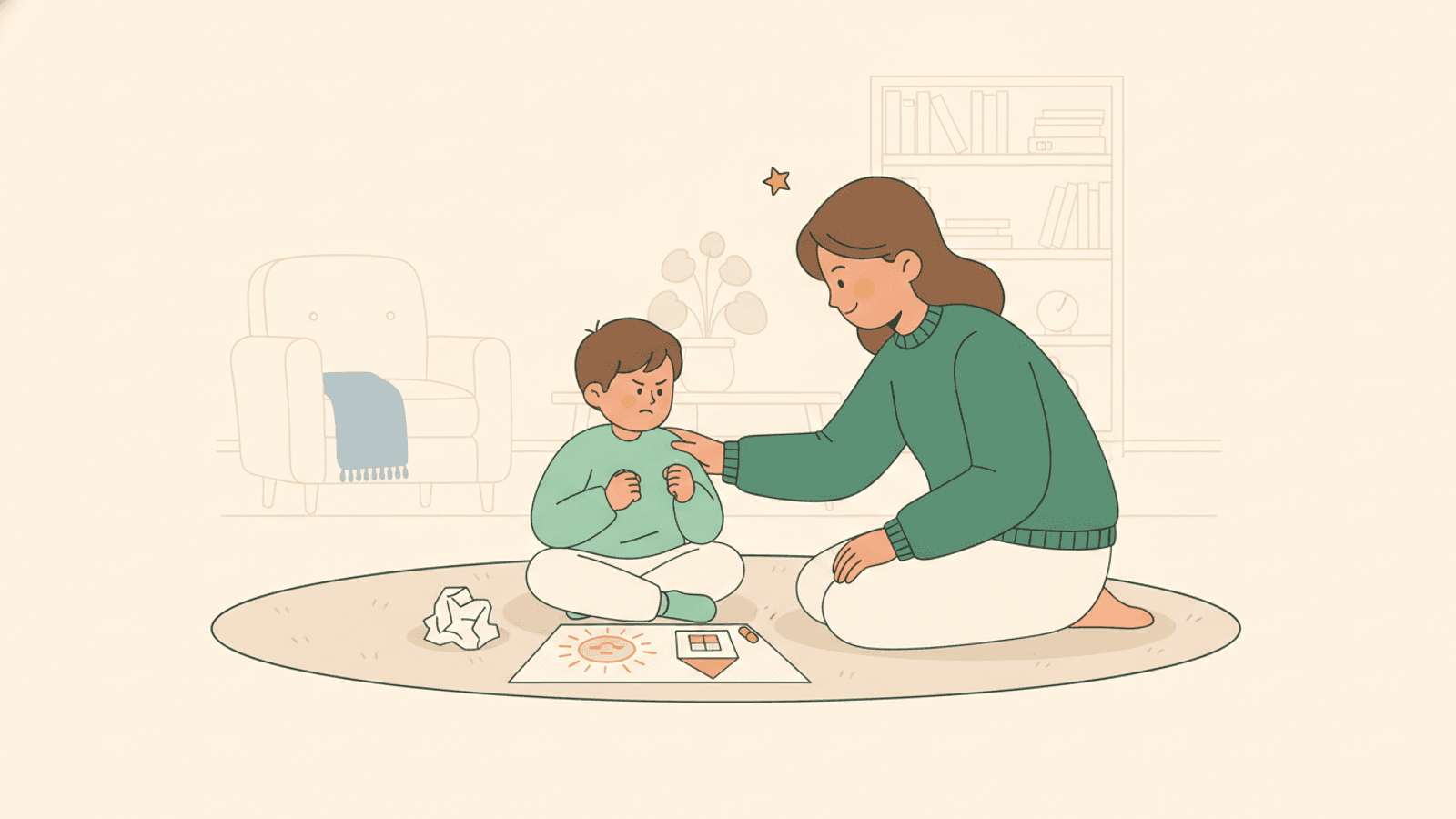
Anger frightens parents — the shouting, the hitting, the slammed doors. But anger itself is a normal, healthy emotion. The job is not to stop your child feeling it, but to help them handle it without hurting themselves, others or things.

Eating Out With a Neurodivergent Child: A Calm, Practical Guide
Neurodiversity in Daily Life (ADHD & Autism)•

Eating Out With a Neurodivergent Child: A Calm, Practical Guide

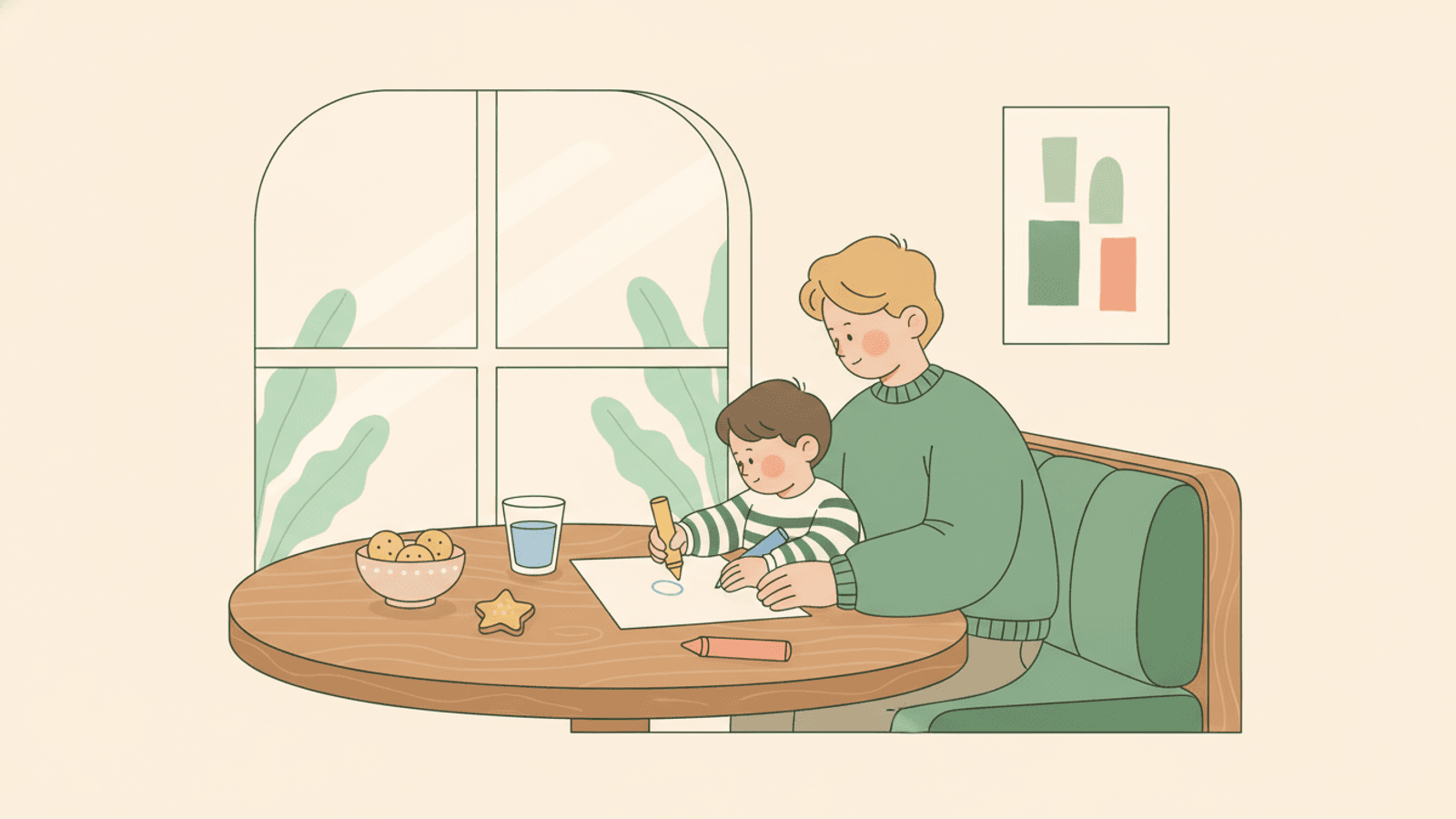
Eating out with a child who has ADHD or autism can feel like more trouble than it is worth: the waiting, the noise, the unfamiliar food, the sitting still. With a little preparation, though, restaurants can become manageable, even enjoyable.

Cooking Together: Getting Kids Into the Kitchen (and Why It Pays Off)
Everyday Life & Routines•

Cooking Together: Getting Kids Into the Kitchen (and Why It Pays Off)

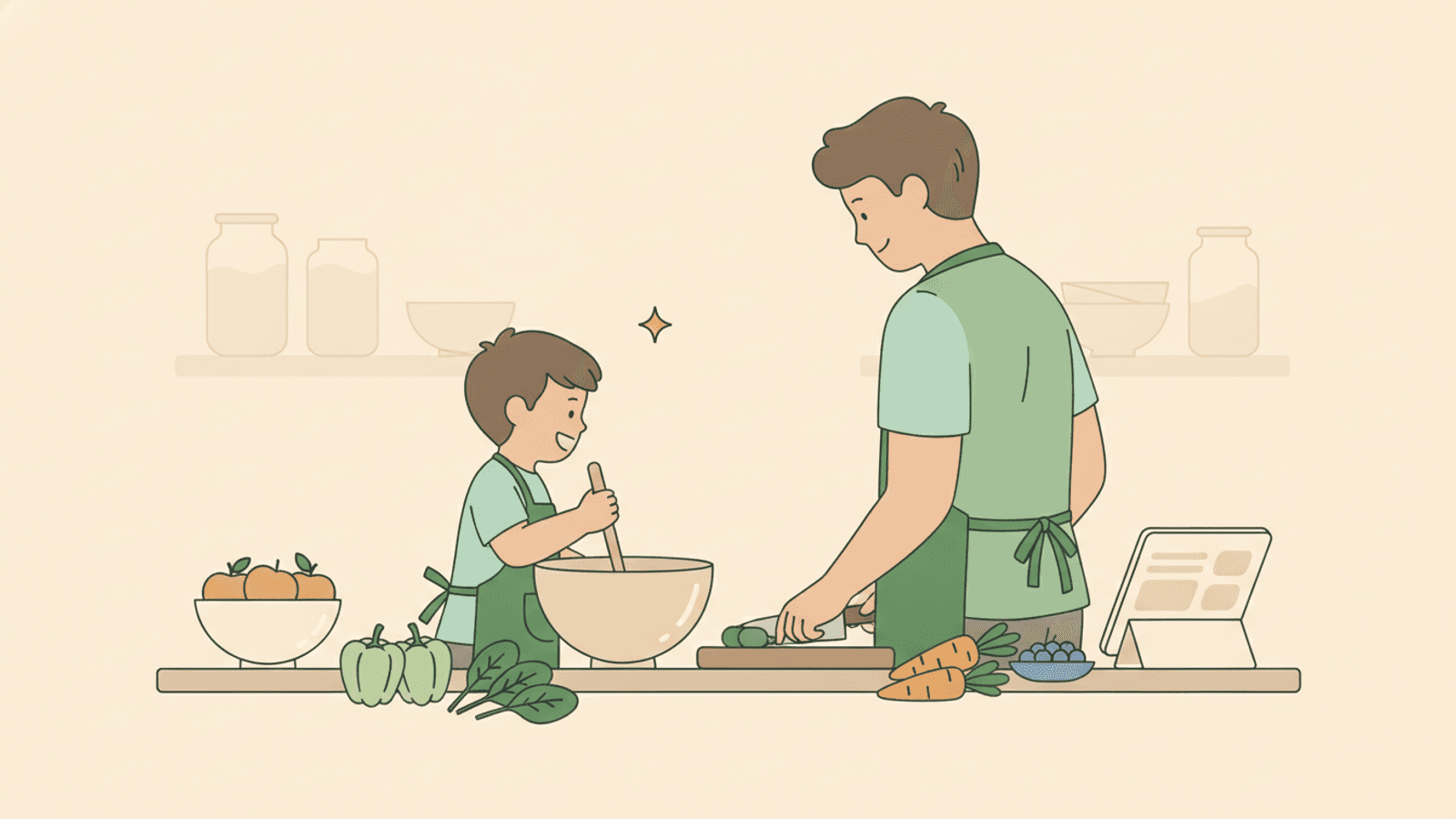
Inviting your child into the kitchen feels like more mess and more time, and at first it is. But cooking together is one of the highest-value things you can do: it builds skills, makes children more willing to eat, and is real connection time.

Snacks and Structure: How Planned Snacks Make Mealtimes Easier
Everyday Life & Routines•

Snacks and Structure: How Planned Snacks Make Mealtimes Easier

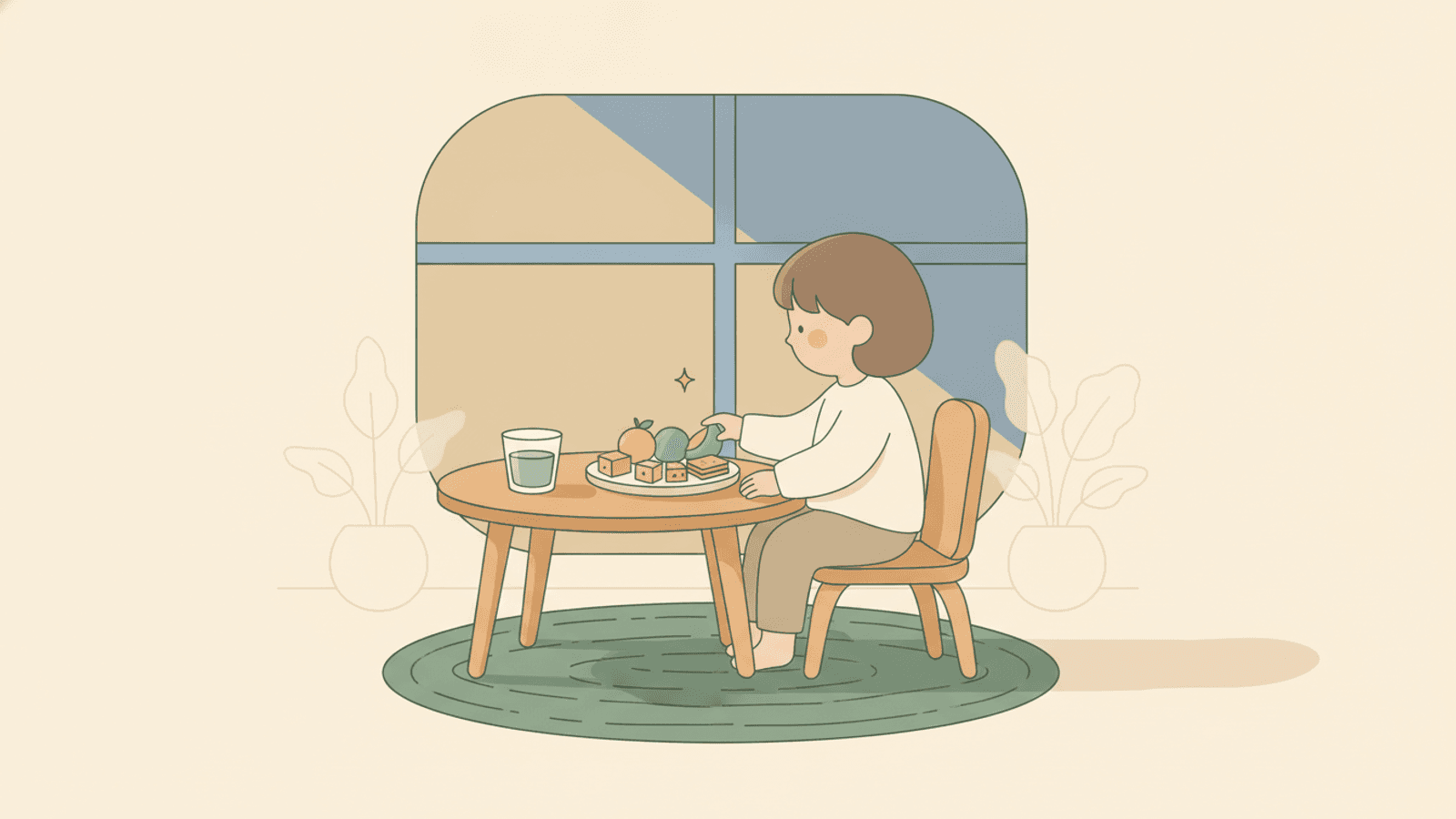
If your child grazes all day and then refuses dinner, the snacks may be the real problem, not the dinner. A little structure around meals and snacks makes everyone hungrier at the right times and calmer in between.