The Blog

Tips, advice, and insights for a simpler daily life with routines and visual supports.

Latest posts

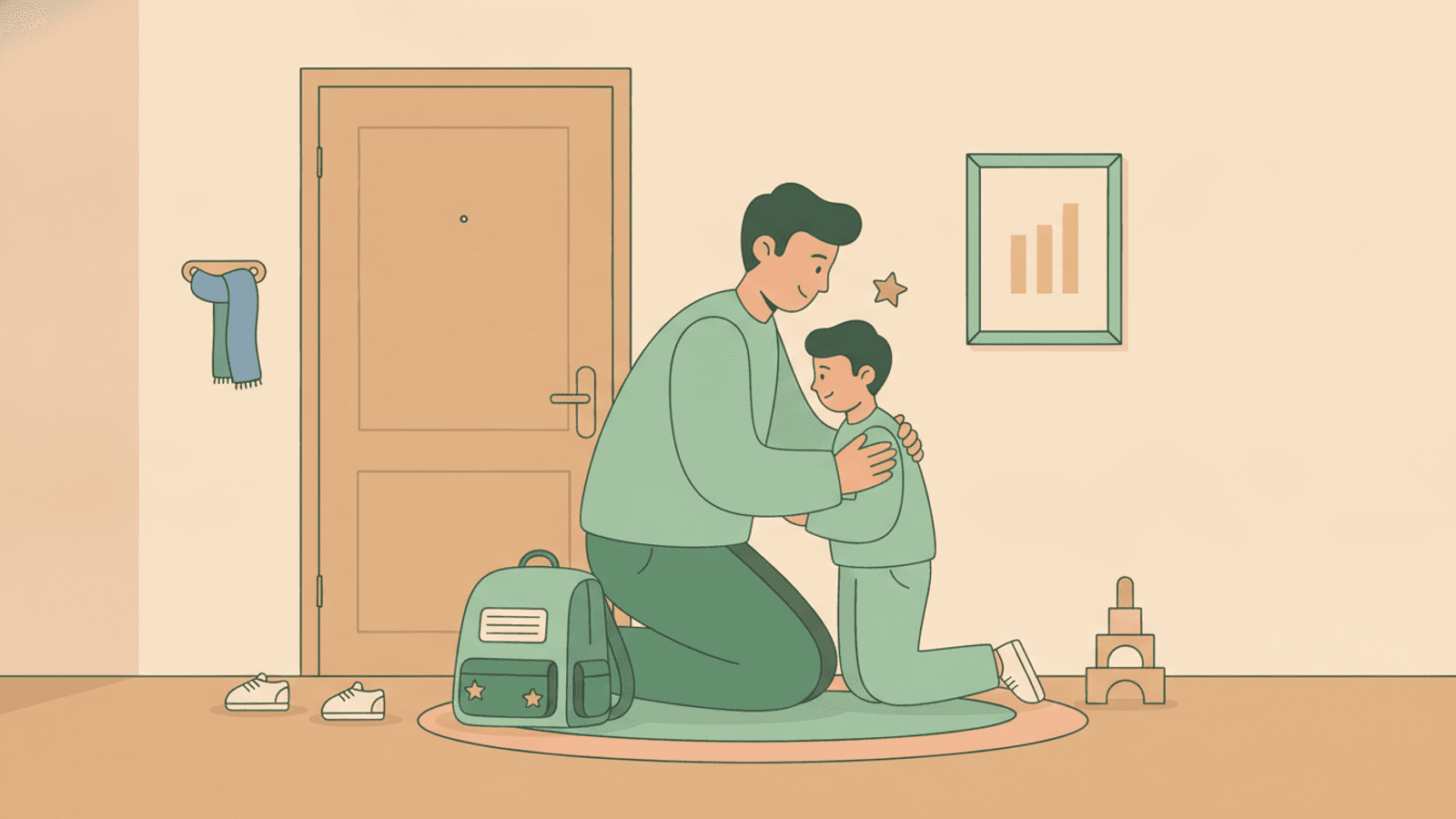
Changing Schools or Class: Helping Your Child Through the Transition
School & Extracurriculars•

Changing Schools or Class: Helping Your Child Through the Transition

A new school or a new class means a lot of change at once, even when the move is a good one. Here is how to prepare your child, support them through the first weeks, and tell a slow settle from a real problem.
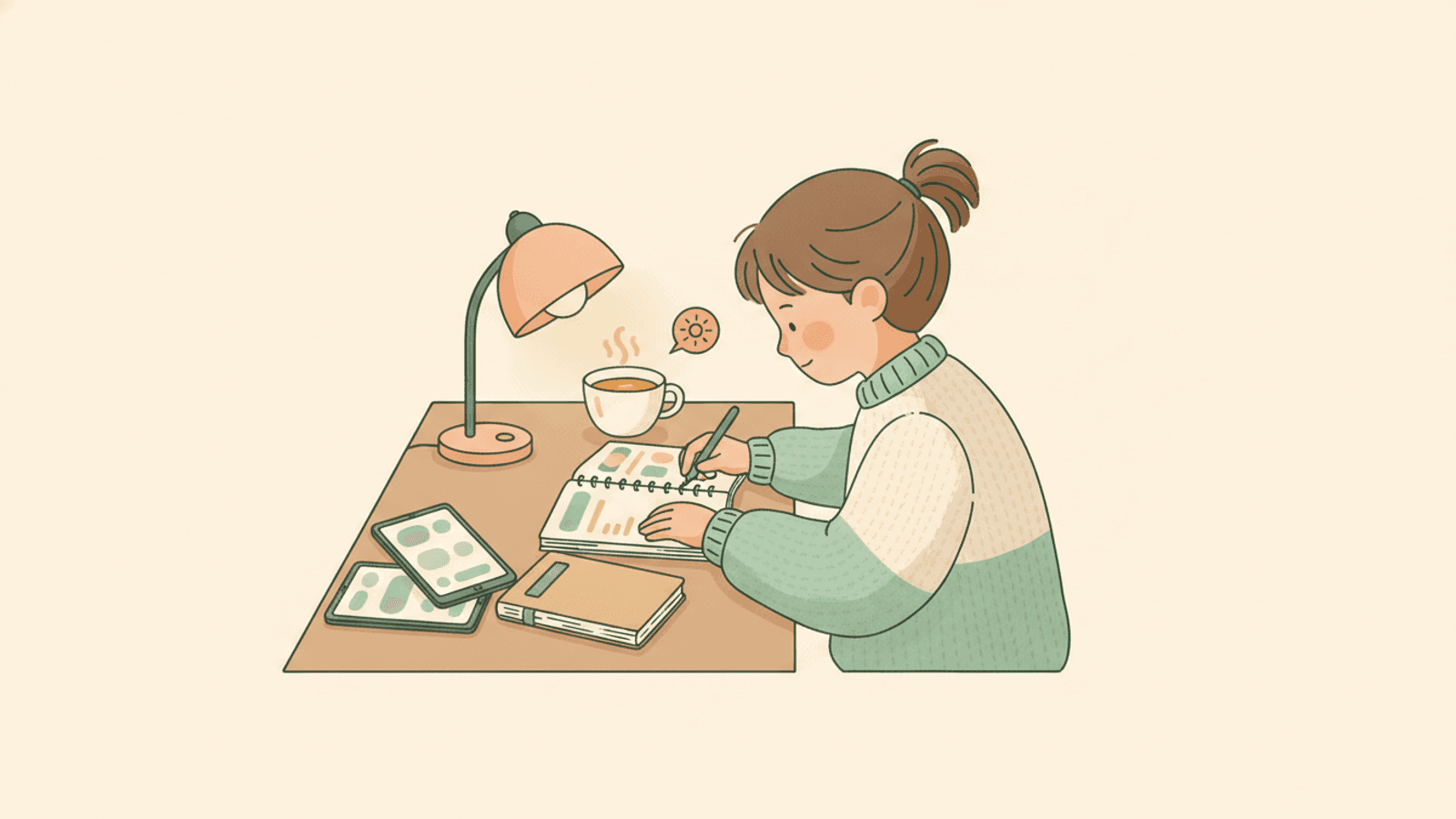
Exam Stress in Older Children: How to Help
School & Extracurriculars•

Exam Stress in Older Children: How to Help

As children get older, tests and exams arrive — and with them, stress. A little is normal and even useful; too much gets in the way. Here is how to help your child prepare, manage the pressure, and keep it all in perspective.

How Many Extracurricular Activities Is the Right Amount?
School & Extracurriculars•

How Many Extracurricular Activities Is the Right Amount?

Swimming on Monday, football on Tuesday, music on Wednesday — modern childhood fills up fast, and many parents quietly wonder whether their child is doing too much, or not enough. There’s no magic number, but there are good questions to ask.

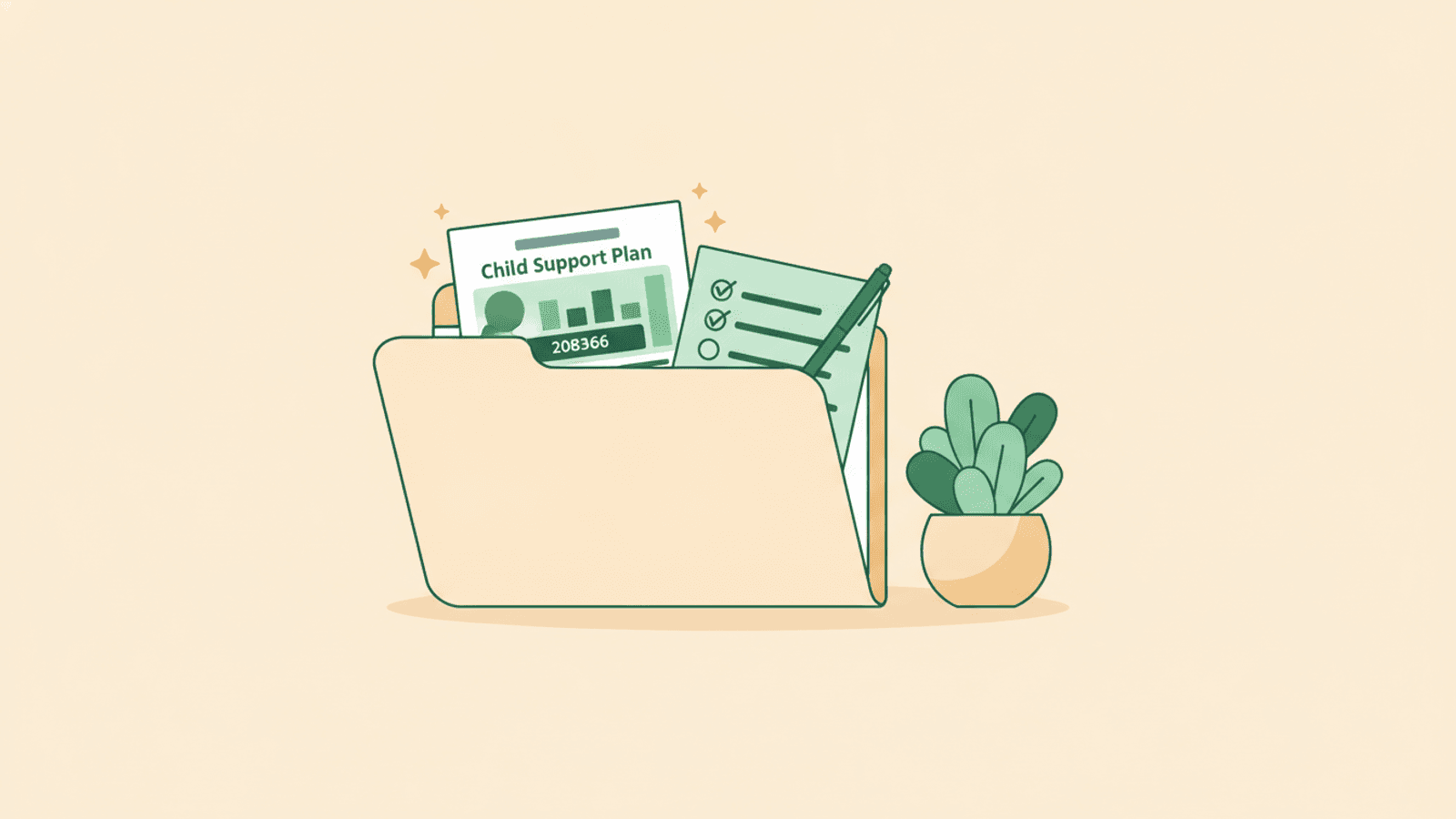
Support Plans and Accommodations at School: A Parent’s Guide
School & Extracurriculars•

Support Plans and Accommodations at School: A Parent’s Guide

If your child is struggling at school, you’ll hear about adjustments, accommodations, and formal support plans. The terms differ by country, but the idea is the same. Here is how school support is usually structured, and your role in it.

Working With Your Child’s School Around ADHD or Autism
School & Extracurriculars•

Working With Your Child’s School Around ADHD or Autism

When your child is neurodivergent, school can be one of the hardest arenas — and one where a good partnership with teachers makes an enormous difference. Here is how to build that partnership, calmly and effectively.

Bullying: How to Spot It and Support Your Child
Psychology & Parenting•

Bullying: How to Spot It and Support Your Child

Few things frighten a parent more than suspecting their child is being bullied. It can be hard to spot, hard to talk about, and hard to know what to do. Knowing the signs and how to respond — calmly and effectively — makes a real difference.

Friendship: Helping Your Child Make and Keep Friends
Psychology & Parenting•

Friendship: Helping Your Child Make and Keep Friends

Watching your child struggle to make or keep friends is one of the hardest parts of parenting. But making friends is a skill that can be learned and supported, and “struggling socially” looks different for every child. Here is how to help.

School Refusal: When Your Child Will Not Go to School
School & Extracurriculars•

School Refusal: When Your Child Will Not Go to School

The tummy ache that appears every school morning and vanishes by Saturday, the tears at the gate, the daily battle to get out the door — school refusal is exhausting and worrying. It is almost never simple naughtiness; it is usually fear or distress.

Reading at Home With a Reluctant Reader: How to Bring Back the Joy
School & Extracurriculars•

Reading at Home With a Reluctant Reader: How to Bring Back the Joy

“Do I have to?” For some children, the nightly reading task is a daily battle, and pushing harder usually backfires. The goal is not to force reading but to help a child want to read, and that comes from making it enjoyable rather than a chore.

Social Stories: What They Are and How to Write One
Neurodiversity in Daily Life (ADHD & Autism)•

Social Stories: What They Are and How to Write One

A new situation, an unfamiliar place, a skill that has not clicked — for an autistic or anxious child, the unknown can be overwhelming. A social story is a simple, personalised tool that turns “what will happen?” into something concrete and reassuring.

Now-and-Next vs a Full-Day Schedule: Which Visual Support to Use When
Neurodiversity in Daily Life (ADHD & Autism)•

Now-and-Next vs a Full-Day Schedule: Which Visual Support to Use When

Visual schedules are one of the most powerful tools for a neurodivergent child, but a common question is whether to show the whole day or just the next step. The answer depends on the child and the moment. Here is how to choose.

Demand Avoidance (PDA): A Gentle Introduction for Parents
Neurodiversity in Daily Life (ADHD & Autism)•

Demand Avoidance (PDA): A Gentle Introduction for Parents

Some children resist even the things they want to do, melt down at the smallest request, and seem driven to avoid all demands. For these children, the usual toolkit of rewards and consequences can make everything worse. This may be a profile known as PDA.