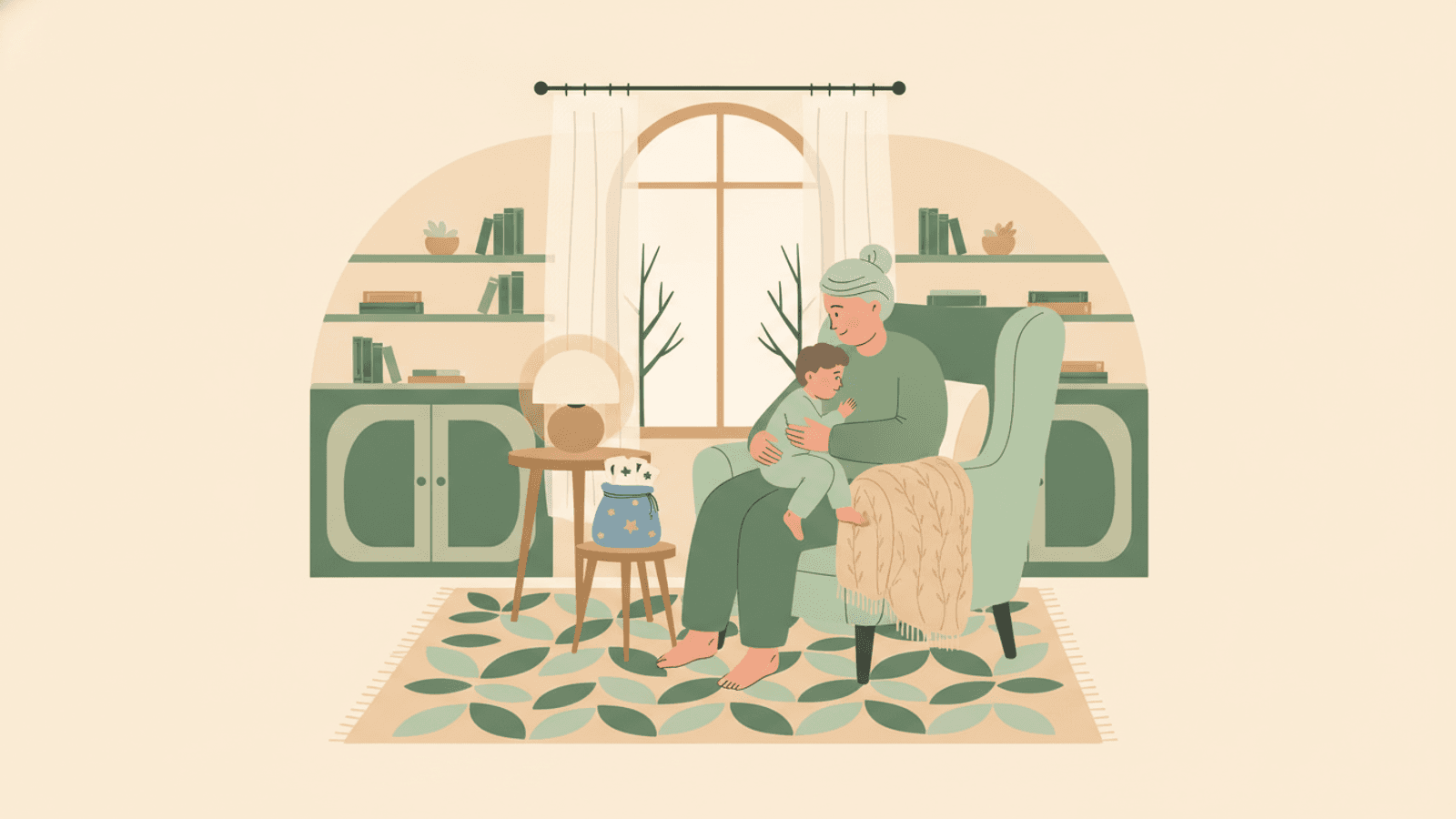
When Your Child Stays With Grandparents: Keeping Routines in Another Home
A few days at grandma’s is lovely — and often where the routine quietly collapses. Here’s how to keep enough structure in another home without micromanaging the grandparents.
Tips, advice, and insights for a simpler daily life with routines and visual supports.
A few days at grandma’s is lovely — and often where the routine quietly collapses. Here’s how to keep enough structure in another home without micromanaging the grandparents.

How much allowance should a 6-year-old get? What chores can a 9-year-old realistically handle? An age-by-age guide with concrete examples, plus how to connect responsibility to reward without turning the home into a transactional workplace.

A holiday removes every routine at once — new beds, new food, long travel days, no schedule. For kids who rely on predictability, that's a recipe for meltdowns. Here's how to keep just enough structure to stay calm, without turning the trip into another school week.
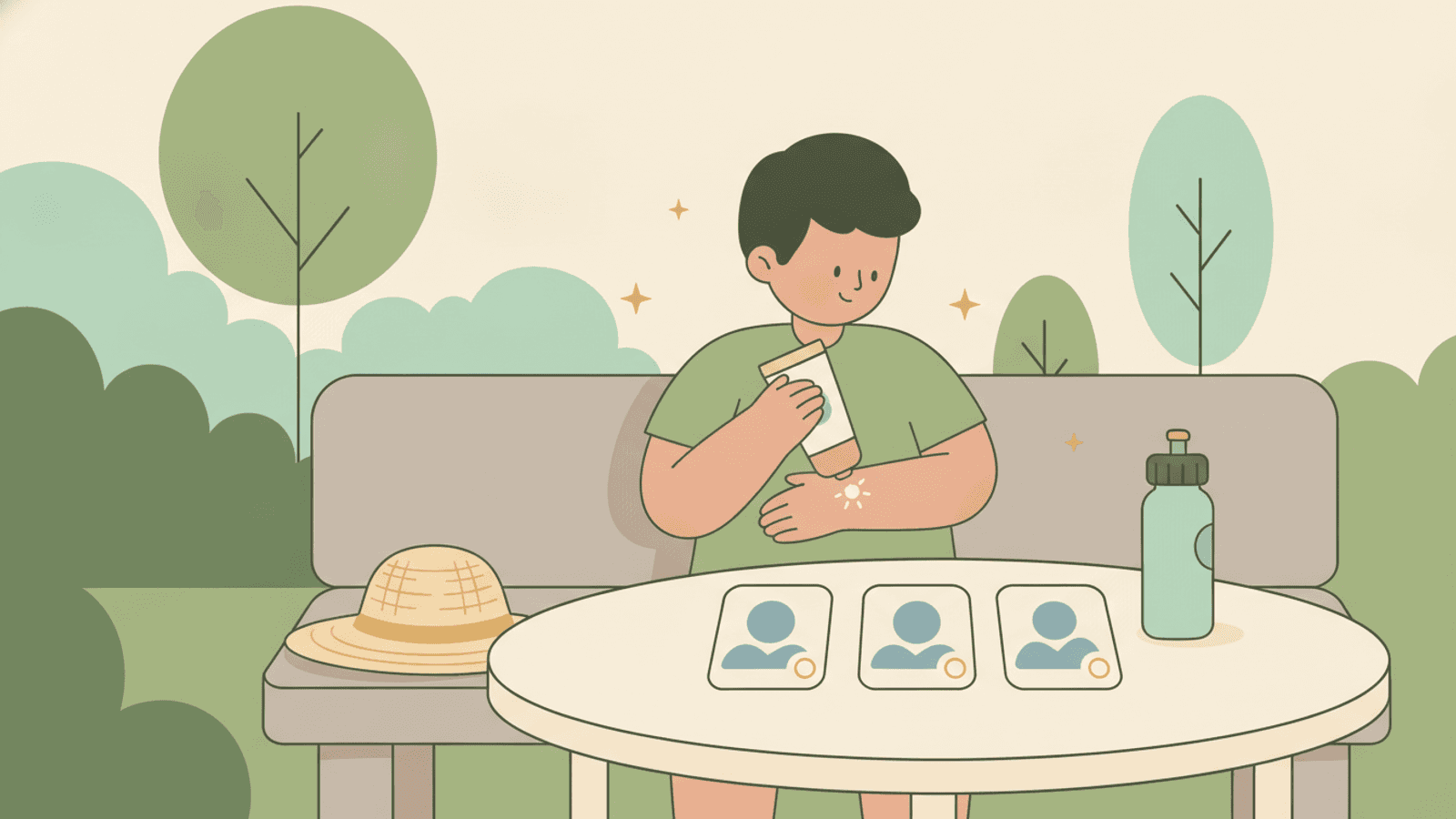
Sunscreen battles, forgotten hats and dehydrated kids are a daily summer fight. Turning sun safety into a short visual routine takes the nagging out of it.
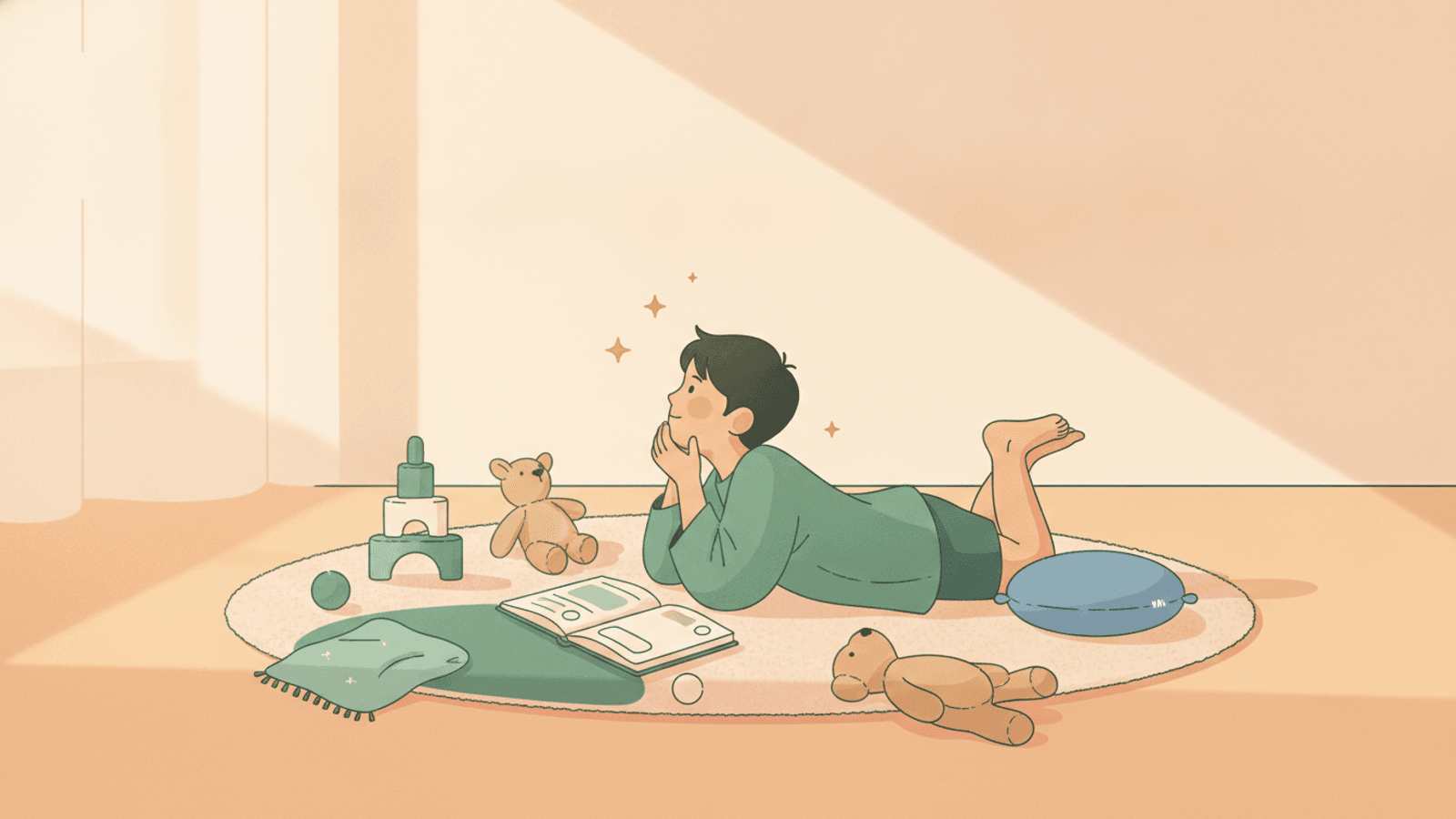
By mid-July the “I’m bored” chorus starts. Boredom isn’t a problem to solve for your child — it’s a skill to build. Here’s how to step back without the day descending into chaos.
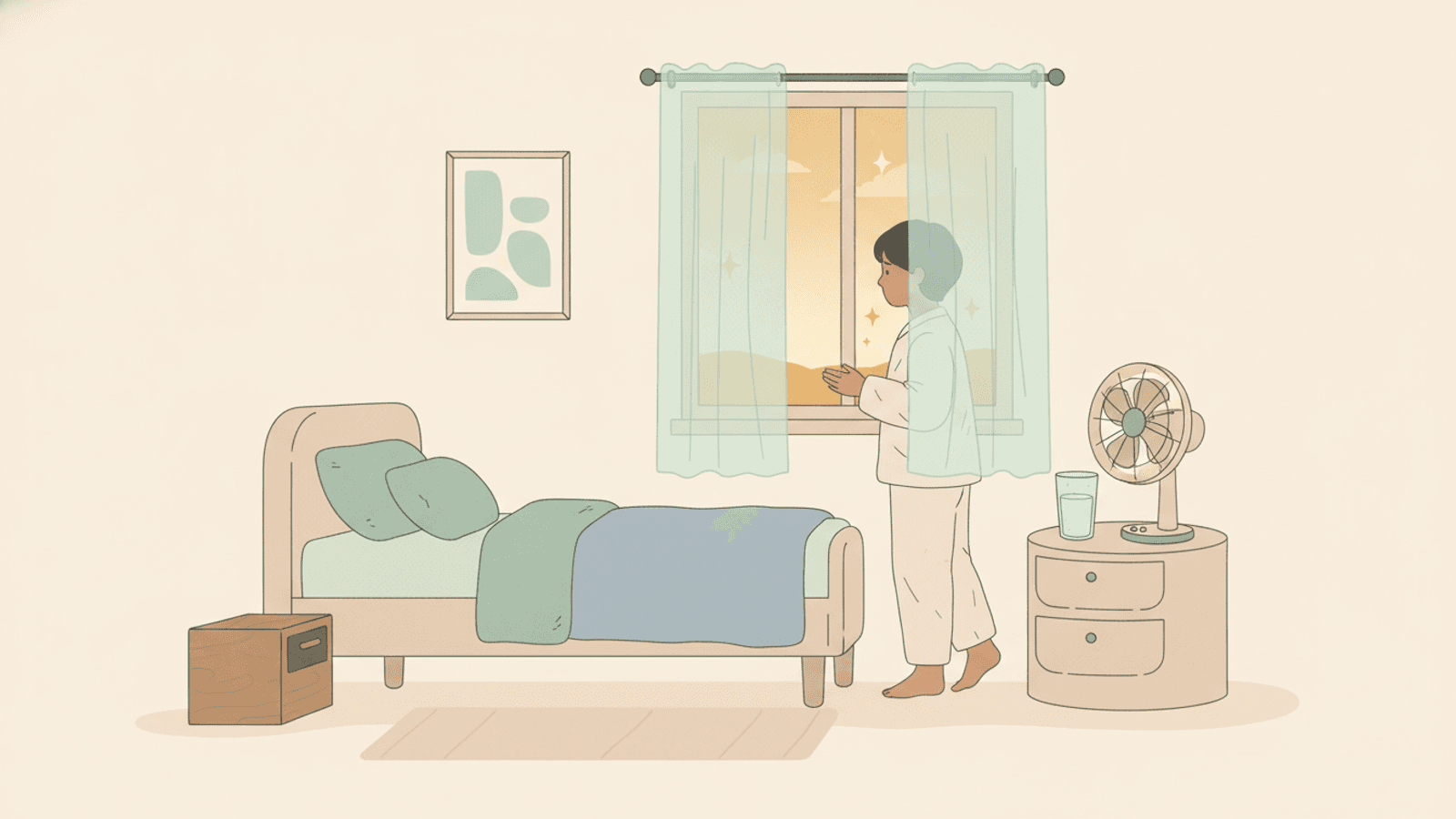
Hot bedrooms and late sun wreck summer sleep — and a tired child means harder days. Here's how to adapt the bedtime routine for heat without losing the structure that makes sleep happen.
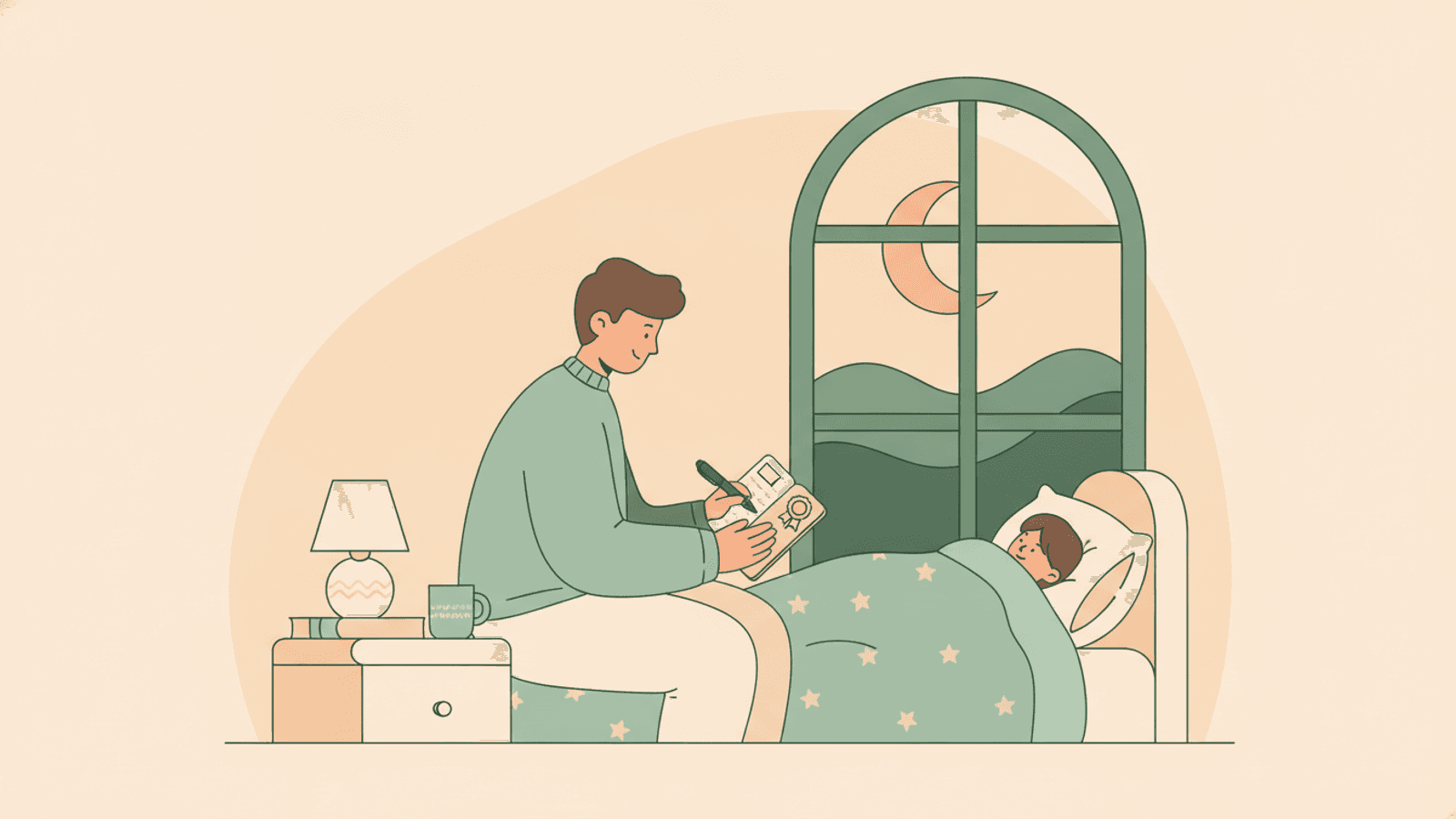
A sleep diary is the fastest way to find out what is actually disturbing your child’s nights. Here is what to record, how long to keep it, and how to read the results.
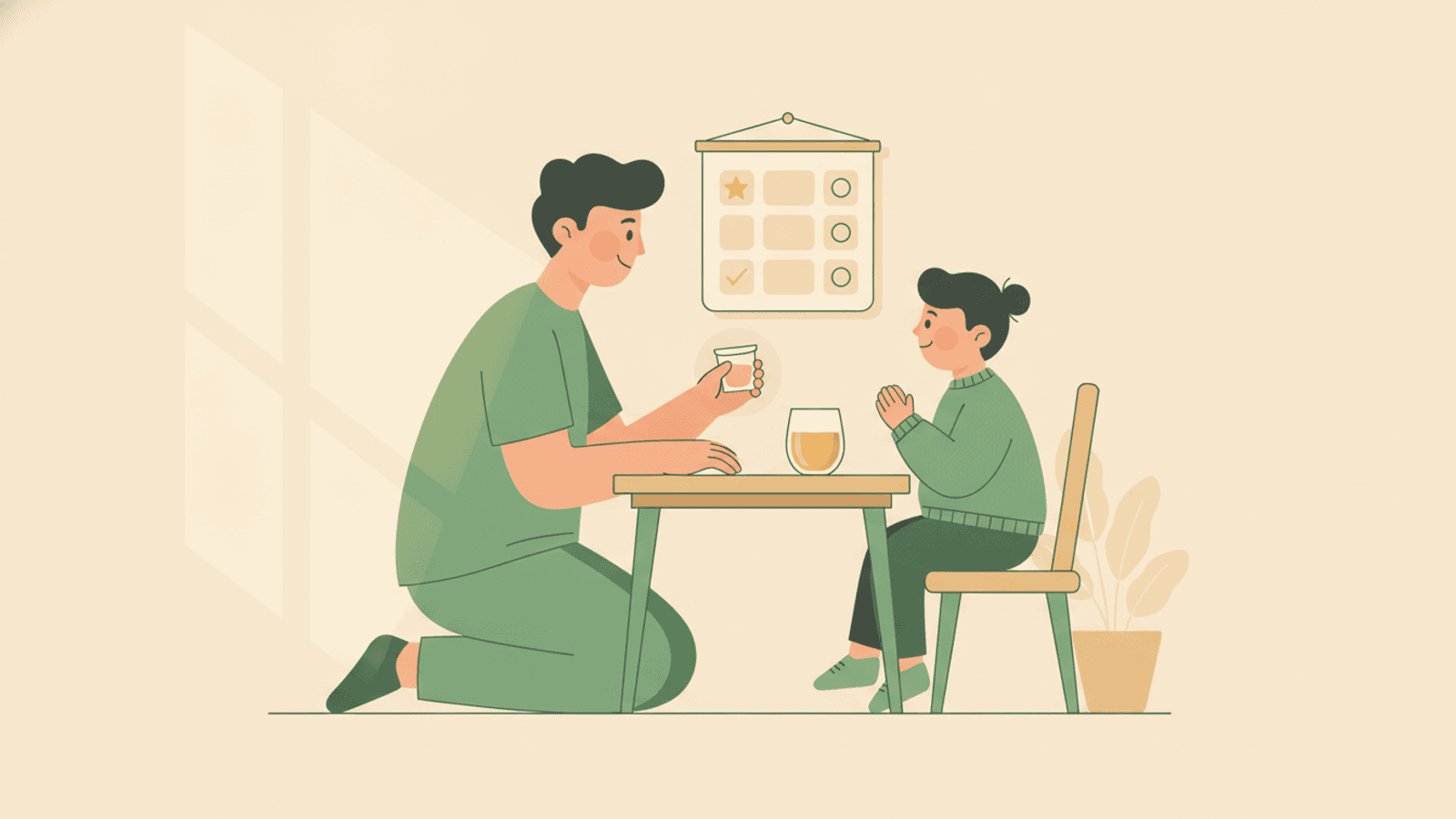
Medicine battles are rarely about the medicine. Here is how a fixed anchor, visual steps and a bit of control for the child turn the daily dose into a non-event.

Eleven hours together, no school, no schedule — and by 10 AM they're at each other's throats. Sibling conflict on school breaks isn't bad luck; it's the predictable result of lost structure and overlapping territory. Five fixes that move the needle.
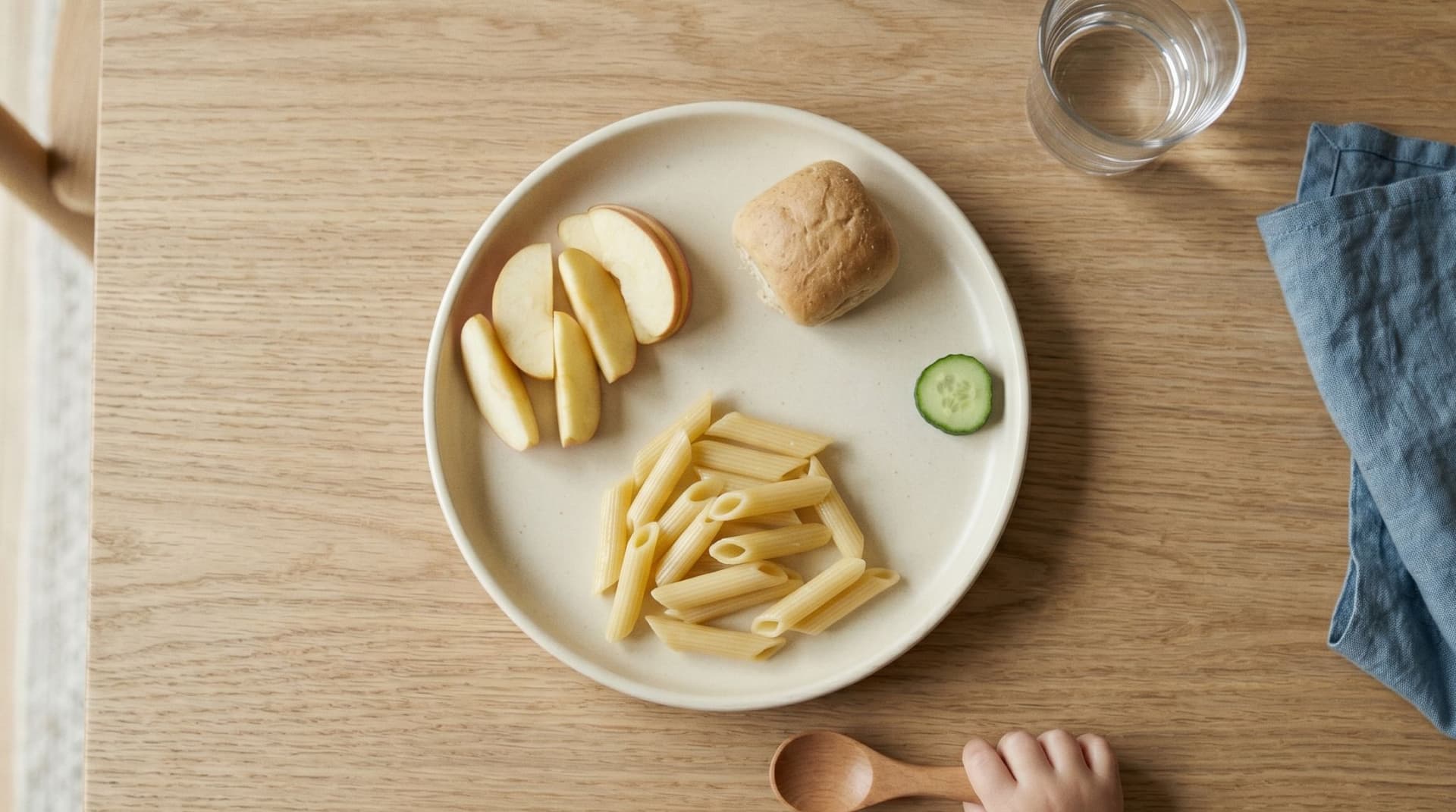
Most picky eating is a phase that ends. Some isn't — and the difference matters. A practical guide to telling them apart, the mealtime structure that helps both, and when to talk to a doctor about ARFID or sensory-based food avoidance.
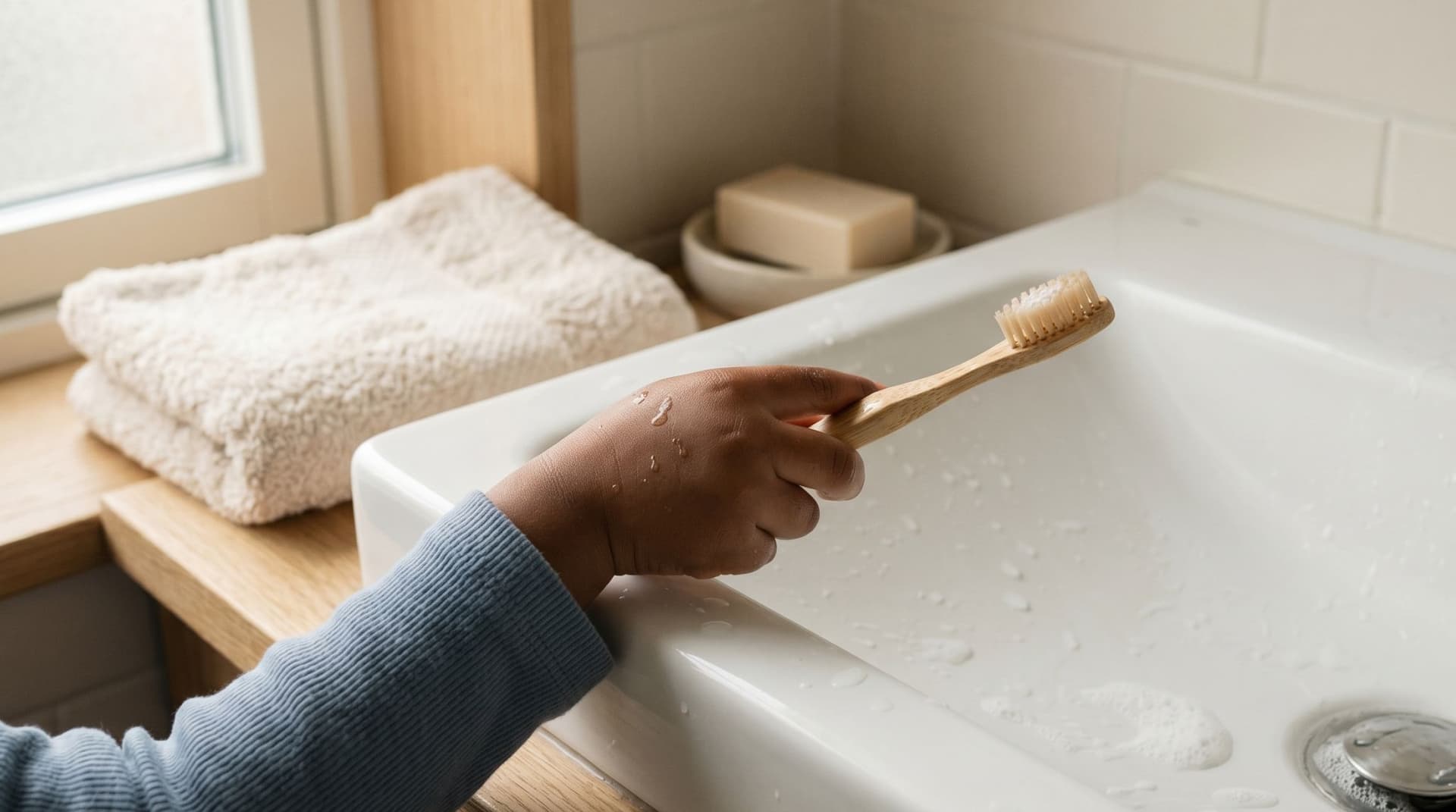
If toothbrushing is a nightly battle, the problem usually isn't motivation — it's sensory overload, transition friction, or both. Seven practical fixes ranked from easiest to hardest, including what to do when your dentist starts asking questions.

A meltdown isn't bad behavior — it's a brain that ran out of capacity. The three-phase framework most parents miss: prevent before, low-arousal approach during, repair and adjust the day after. Plus what to never say in the middle of one.